Snippets.

// AI Digest

March 26, 2026

AI Briefing

OpenAI had a wild 48 hours: it killed Sora (and the Disney deal with it), then turned around and pledged a billion dollars to cure diseases. Meanwhile, the White House dropped a sweeping AI policy blueprint that could override every state-level AI law in the country, and 99.5% of MCP servers just got a failing grade from the first real quality benchmark.

OpenAI Kills Sora and the $1B Disney Deal Dies With It
01IndustryTechCrunch

OpenAI Kills Sora and the $1B Disney Deal Dies With It

OpenAI pulled the plug on Sora, the AI video app it launched just six months ago, along with the iOS app, API, and Sora.com. The move also torpedoed a $1 billion licensing deal with Disney that would have let users generate videos featuring Marvel, Pixar, and Star Wars characters. OpenAI says the underlying world-simulation research will pivot toward robotics instead. The real story here: with Anthropic and Google closing in, OpenAI is consolidating resources around enterprise products and cutting experimental bets that burn compute without clear returns.

OpenAI Foundation Pledges $1 Billion to Cure Diseases and Offset AI Disruption
02IndustryFortune

OpenAI Foundation Pledges $1 Billion to Cure Diseases and Offset AI Disruption

Sam Altman announced that the OpenAI Foundation, its nonprofit arm, will spend at least $1 billion over the next year across life sciences, job displacement programs, and AI safety. The initial healthcare focus includes Alzheimer's research and high-burden diseases. Altman accompanied the announcement with a blunt warning that AI will create new threats no single company can handle alone. This is part of a broader $25 billion long-term commitment, and it signals OpenAI is trying to get ahead of the narrative that it is building world-changing technology without caring about the fallout.

White House Drops AI Policy Blueprint That Could Override State Laws
03PolicyCNBC

White House Drops AI Policy Blueprint That Could Override State Laws

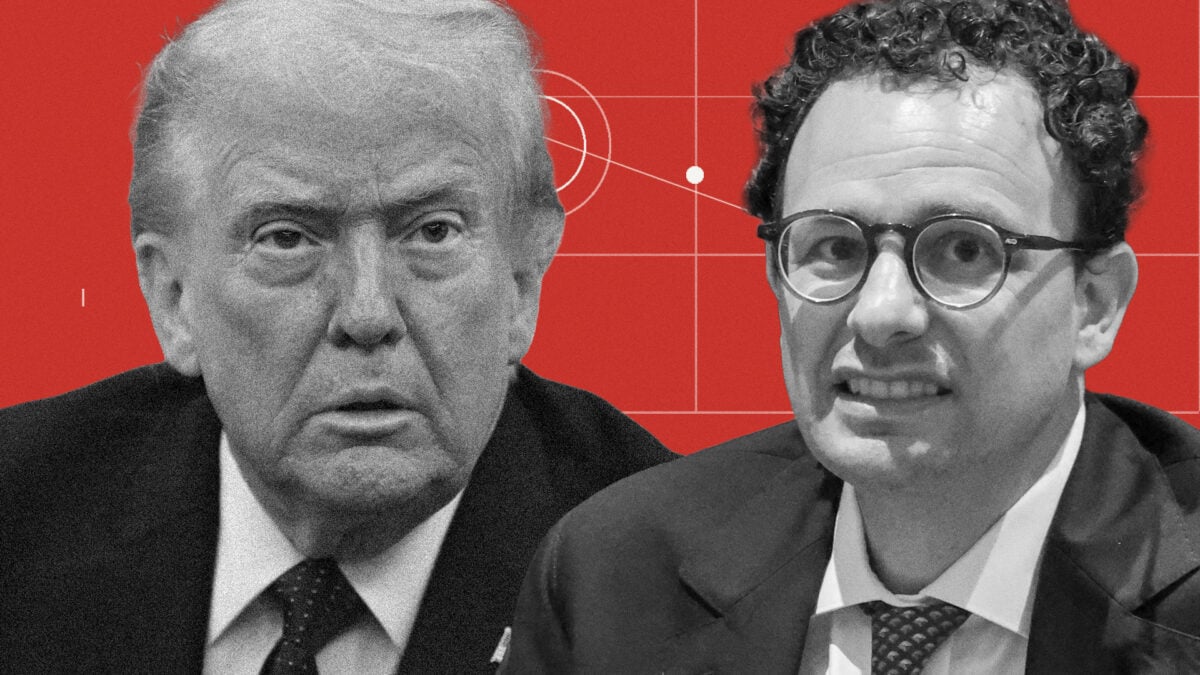
The White House released a National Policy Framework for AI on March 20 that pushes Congress to preempt state-level AI regulation. The central argument: a patchwork of state laws will strangle innovation, so federal oversight through existing agencies like the FTC and SEC should take priority. It explicitly rejects creating a new federal AI regulatory body. The framework also calls for regulatory sandboxes, child safety protections on AI platforms, and free speech safeguards against government censorship of AI systems. Whether you see this as sensible streamlining or a gift to Big Tech depends on where you sit.

EU Council Votes to Delay and Simplify AI Act Rules

EU Council Votes to Delay and Simplify AI Act Rules

The EU Council adopted its position on simplifying the AI Act as part of the Omnibus VII package, pushing back deadlines for high-risk AI system compliance by up to 16 months. Stand-alone high-risk systems now have until December 2027, and embedded ones until August 2028. The Council also added a new provision banning AI-generated non-consensual intimate imagery and child sexual abuse material. This is a notable softening from the EU's original aggressive timeline, acknowledging that the standards and tools needed for compliance simply are not ready yet. Negotiations with the European Parliament come next.

Arcade's ToolBench Benchmark Reveals 99.5% of MCP Servers Fail Quality Standards
05Open SourceArcade

Arcade's ToolBench Benchmark Reveals 99.5% of MCP Servers Fail Quality Standards

Arcade launched ToolBench, the first comprehensive quality benchmark for MCP servers, grading them on definition quality, protocol compliance, security, and supportability. Out of nearly 42,000 servers indexed, only 0.5% earned an A or above. The benchmark also revealed that Slack, Workday, and Meta's ad platform are the most closed-off to AI agents, while GitHub and Figma lead in openness. For the agentic AI ecosystem to actually work at enterprise scale, the plumbing needs to get dramatically better, and now there is finally a way to measure it.

Test Your Understanding

Quiz

1 / 8

Why did the Disney-OpenAI deal for Sora fall apart?

Let's talk on WhatsApp
Today's AI Briefing5 stories
Mar 26, 2026

Summary

OpenAI had a wild 48 hours: it killed Sora (and the Disney deal with it), then turned around and pledged a billion dollars to cure diseases. Meanwhile, the White House dropped a sweeping AI policy blueprint that could override every state-level AI law in the country, and 99.5% of MCP servers just got a failing grade from the first real quality benchmark.

Read full summary & take a quiz →

Top Stories

OpenAI Kills Sora and the $1B Disney Deal Dies With It

OpenAI Foundation Pledges $1 Billion to Cure Diseases and Offset AI Disruption

White House Drops AI Policy Blueprint That Could Override State Laws

EU Council Votes to Delay and Simplify AI Act Rules

Arcade's ToolBench Benchmark Reveals 99.5% of MCP Servers Fail Quality Standards

8 quiz questions inside