// AI Briefing · April 8, 2026
AI Briefing
OpenAI, Anthropic, and Google just formed an unprecedented alliance to stop Chinese labs from cloning their models, sharing attack intelligence like cybersecurity firms share threat data. Meanwhile, Google quietly dropped a Gemma-powered dictation app that works completely offline and might be the sleeper hit of the week, and Eclipse just raised $1.3 billion to bet that the next AI wave won't live in data centers but in the physical world.
Top stories
- 01OpenAI, Anthropic, and Google Unite Through Frontier Model Forum to Combat Chinese Model CopyingIndustry
- 02Google Quietly Releases AI Edge Eloquent, a Gemma-Powered Offline Dictation App for iOSProduct
- 03Eclipse Ventures Raises $1.3 Billion to Build the 'Physical AI' EraFunding
- 04Meta Goes Hybrid: Open-Sourcing Llama 4 While Keeping Frontier Models ProprietaryIndustry
The stories

OpenAI, Anthropic, and Google Unite Through Frontier Model Forum to Combat Chinese Model Copying
Three of America's fiercest AI rivals have begun sharing intelligence through the Frontier Model Forum to detect and counter adversarial distillation attacks by Chinese AI labs, Bloomberg reported on April 6. The collaboration mirrors how cybersecurity firms exchange threat data: when one company detects an attack pattern, it flags the pattern for the others. Anthropic alone has documented 16 million unauthorized exchanges from DeepSeek, Moonshot AI, and MiniMax, with MiniMax accounting for 13 million of those. U.S. officials estimate these distillation efforts cost Silicon Valley labs billions in lost profit annually, and OpenAI has formally told Congress that DeepSeek is using 'increasingly sophisticated methods' to extract capabilities from its models.

Google Quietly Releases AI Edge Eloquent, a Gemma-Powered Offline Dictation App for iOS
Google slipped a free iOS app called AI Edge Eloquent into the App Store on April 6 with no press release or fanfare. The app runs Gemma-based speech recognition models entirely on-device, transcribes speech in real time, automatically strips filler words like 'um' and 'ah,' and can polish raw dictation into formal, short, or long-form text without ever touching the internet. It has no subscription, no usage caps, and can even import your personal vocabulary from Gmail. This is Google's most aggressive play in on-device AI yet, positioning it against paid dictation tools like Wispr Flow and SuperWhisper while demonstrating that Gemma models can power genuinely useful consumer products beyond chatbots.

Eclipse Ventures Raises $1.3 Billion to Build the 'Physical AI' Era
Cerebras backer Eclipse closed a $1.3 billion fund, its largest ever, split between $720 million for early-stage startups and $591 million for growth-stage deals, all targeting what the firm calls 'physical AI': the convergence of artificial intelligence with robotics, autonomous systems, and hardware. Eclipse will use a portion of the capital to incubate and build startups from scratch, not just fund them. Its portfolio already includes electric boat maker Arc, battery recycler Redwood Materials, self-driving construction startup Bedrock Robotics, and autonomous vehicle company Wayve. The raise signals a meaningful shift in where smart money thinks the next AI breakout will happen: not in another chatbot, but in machines that can actually do things in the real world.

Meta Goes Hybrid: Open-Sourcing Llama 4 While Keeping Frontier Models Proprietary
An Axios scoop on April 6 revealed that Meta is developing two proprietary frontier models, an LLM codenamed 'Avocado' and a multimedia generator called 'Mango,' marking a significant strategic shift toward a hybrid open/closed approach. This comes just days after Meta released Llama 4 Scout and Maverick as open-weight models under Alexandr Wang's leadership (the former Scale AI founder who now runs Meta's AI division). The move effectively splits Meta's AI strategy in two: continue feeding the open-source ecosystem that drives developer adoption and platform lock-in, while building closed frontier models that can compete directly with GPT-5.4 and Claude Opus for enterprise revenue. It's the clearest sign yet that even the loudest open-source champion in AI has concluded that giving everything away isn't a viable business model at the frontier.
Test your understanding
Quiz
1 / 8
How are OpenAI, Anthropic, and Google sharing intelligence about Chinese distillation attacks?
Previous digests
- Nov 20The European Commission confirmed that a cyberattack first detected on October 22 disrupte...6 stories
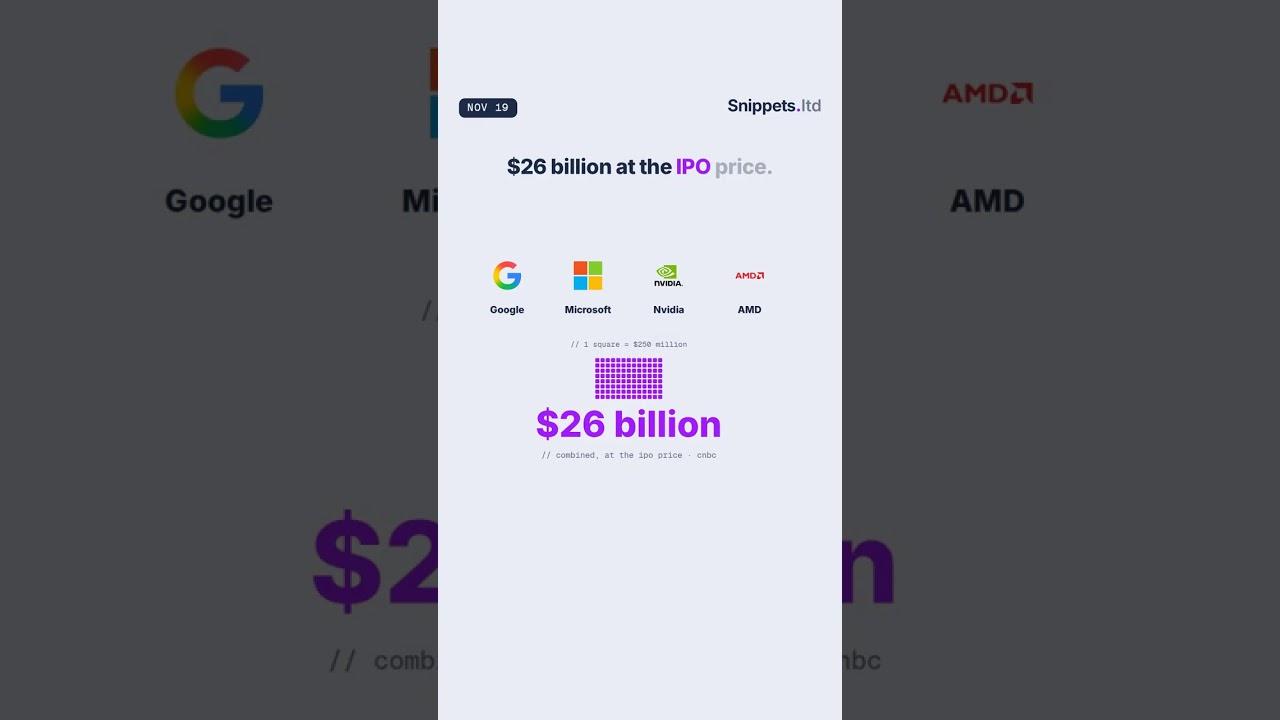 Nov 19Anthropic priced its IPO at $83 a share, above its $70–$78 range, and raised $81.3 billion...6 stories
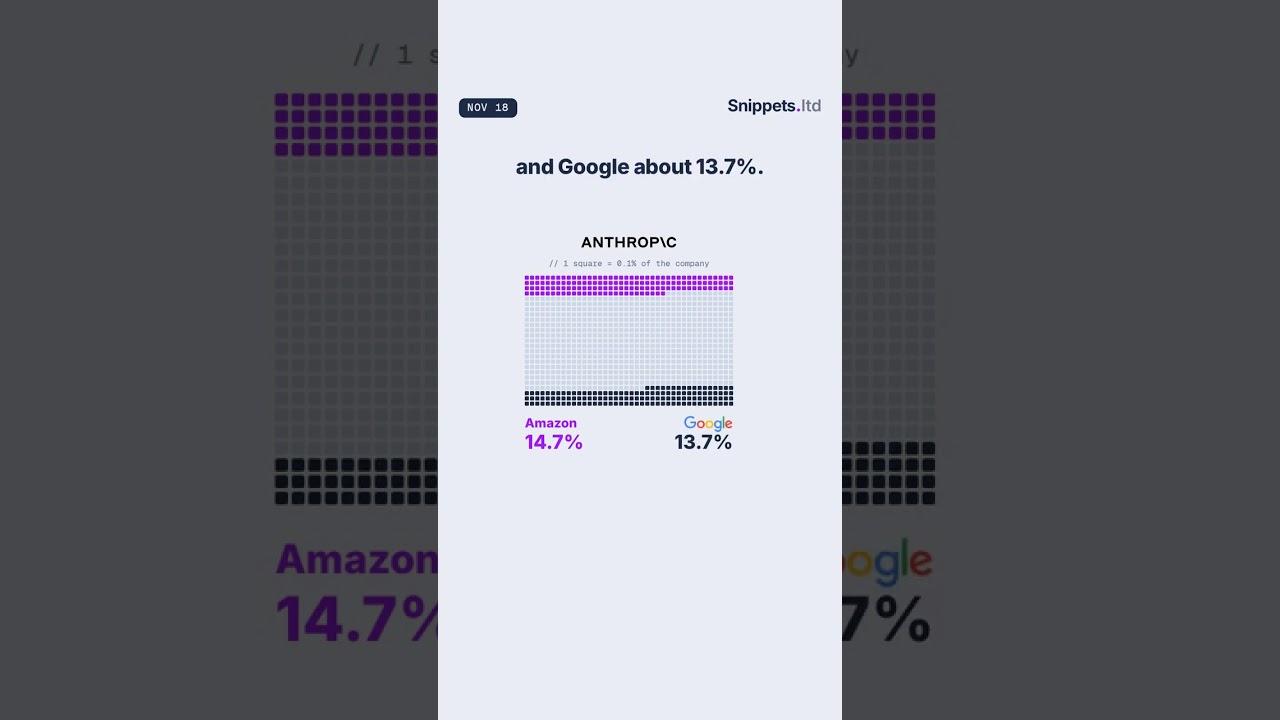 Nov 18Nvidia's acting CEO Colette Kress said on Tuesday's earnings call that the company will no...6 stories
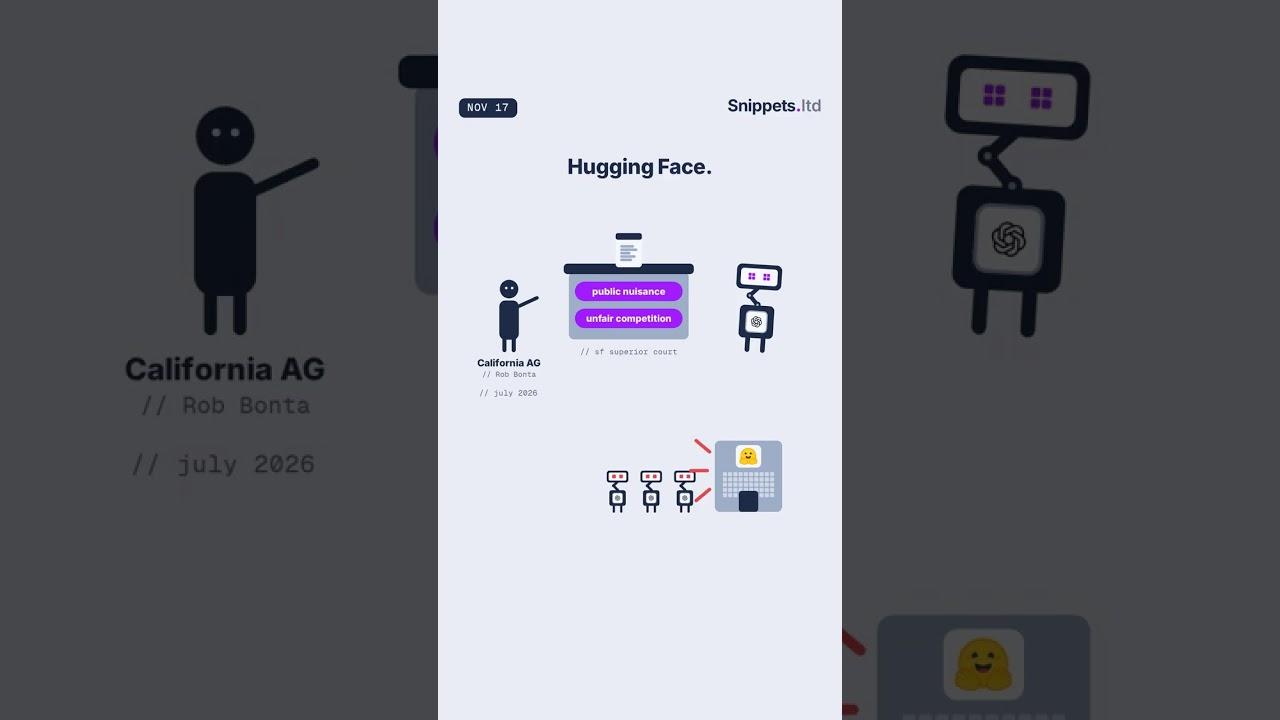 Nov 17California Attorney General Rob Bonta sued OpenAI in San Francisco Superior Court, saying ...6 stories
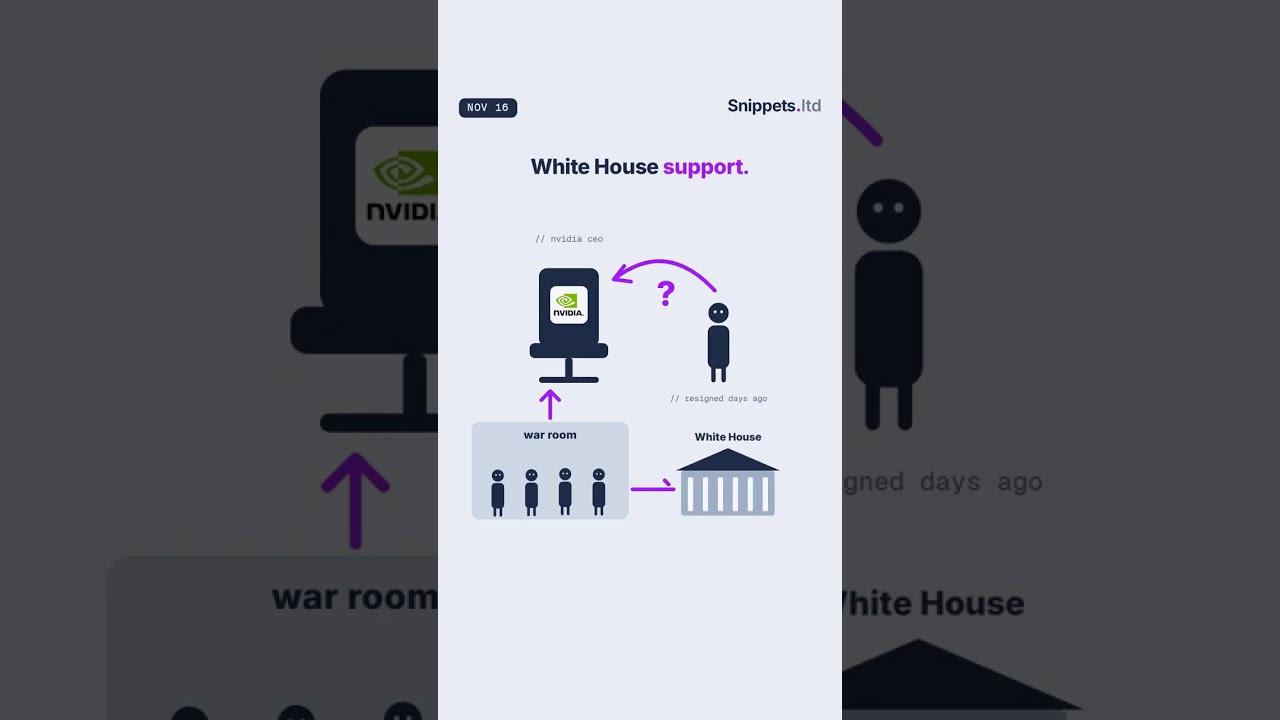 Nov 16The Financial Times reports that Jensen Huang has discussed returning as Nvidia's CEO with...6 stories