// AI Briefing · April 19, 2026
AI Briefing
A sneaker company just pivoted to AI infrastructure and its stock went up 800%. If that doesn't capture the fever pitch of 2026, maybe this will: Maine just became the first state to ban large data centers, a Chinese automaker is selling humanoid robots on JD.com for $42K, and Congress wants to sanction anyone who copies American AI models. Oh, and Google's open-source Gemma 4 now runs entirely offline on your iPhone.
Top stories
- 01Allbirds Ditches Sneakers to Become 'NewBird AI,' Stock Soars 800% Then CrashesIndustry
- 02Maine Becomes First US State to Ban Large Data CentersPolicy
- 03US House Proposes Sanctions on Chinese Firms That Copy American AI ModelsPolicy
- 04Chery Starts Selling a $42,000 Humanoid Robot to Consumers on JD.comProduct
- 05Google's Gemma 4 Achieves Full Offline AI Inference on iPhonesOpen Source
The stories

Allbirds Ditches Sneakers to Become 'NewBird AI,' Stock Soars 800% Then Crashes
Allbirds, the sustainable footwear brand that went public in 2021, announced it will rebrand as NewBird AI and pivot to GPU-as-a-Service cloud infrastructure, sending shares up over 800% in a single session before crashing 20% the next day. The company plans to raise $50 million to acquire AI compute hardware and lease it under long-term arrangements. With sales having plummeted nearly 50% from $298 million to $152 million between 2022 and 2025, the move reeks of desperation, but it also reveals just how distorted the market's incentives have become: simply adding 'AI' to your business plan can temporarily create more value than a decade of actual product development.

Maine Becomes First US State to Ban Large Data Centers
The Maine legislature passed LD 307, imposing a first-in-the-nation moratorium on data centers with power needs of 20 megawatts or more until November 2027. The bill halts proposed developments in several parts of the state and creates a council to study the impact on New England's power grid and electricity rates. Governor Janet Mills has signaled she will sign it. The ban reflects a broader national mood shift: a Quinnipiac poll found 65% of Americans oppose AI data centers in their communities, with electricity costs and water use as the top concerns. Similar bills have been introduced in more than a dozen other states, suggesting Maine may be the first domino rather than an outlier.

US House Proposes Sanctions on Chinese Firms That Copy American AI Models
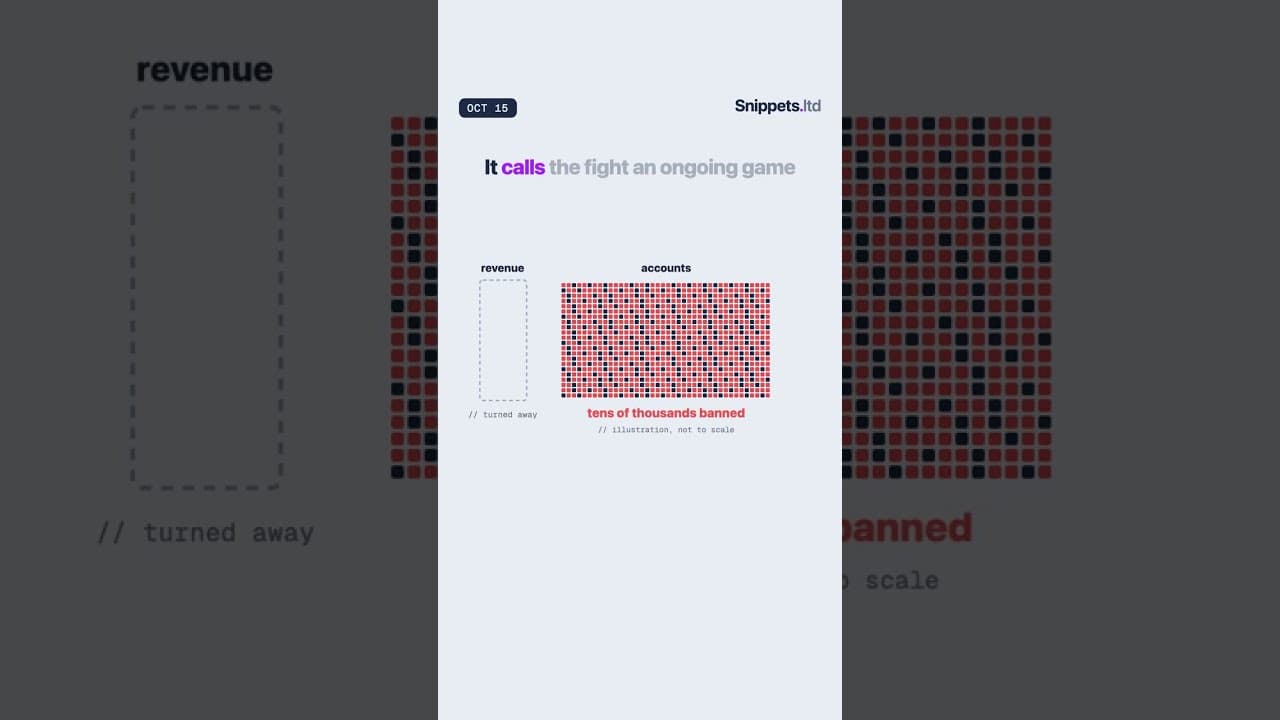
Representative Bill Huizenga introduced the Deterring American AI Model Theft Act, legislation that would direct the US government to identify entities in China and Russia that use query-and-copy techniques to extract knowledge from American AI models and build competing systems. Offenders would face sanctions through the Commerce Department's Entity List and presidential emergency economic powers. The bill was triggered partly by Anthropic's February report that Chinese startups created 24,000 fraudulent accounts to train their own models using Claude. The House China Task Force specifically names DeepSeek, Moonshot AI, and MiniMax as targets, marking an escalation from export controls on chips to direct sanctions on AI model distillation.

Chery Starts Selling a $42,000 Humanoid Robot to Consumers on JD.com
Chinese automaker Chery's robotics brand Aimoga has begun selling the Mornine M1, a full-sized humanoid robot, directly to consumers through JD.com for approximately $42,000. The robot stands 167cm tall, weighs 70kg, has 40 degrees of freedom, walks at up to 1 m/s, and runs for about 2 hours on a 0.7 kWh battery. Chery has signed agreements with over 300 distributors and is building a hybrid sales model spanning retail stores, auto dealerships, and supermarket-style experience outlets. The price is expected to halve within a year. This is arguably the most significant moment in consumer robotics: a major manufacturer is treating humanoid robots like appliances, not research projects.

Google's Gemma 4 Achieves Full Offline AI Inference on iPhones
Google released Gemma 4 under the Apache 2.0 license with two mobile-first variants, E2B and E4B, co-developed with Qualcomm and MediaTek, that run entirely on-device with no internet connection required. Through the Google AI Edge Gallery app, users can download model weights and run a fully functional LLM on an iPhone 15 Pro or newer using under 1.5 GB of memory thanks to aggressive 2-bit and 4-bit quantization. Inference routes through the iPhone's GPU with low latency. This is a milestone for open-source AI: a frontier-class model running in airplane mode on consumer hardware, with all data staying entirely on the device. The privacy implications alone make this significant.
Test your understanding
Quiz
1 / 10
What does Allbirds plan to do after rebranding as NewBird AI?
Previous digests
 Oct 16Anthropic is embedding six researchers from the evaluation nonprofit METR with internal to...4 stories
 Oct 15Today is about who controls the pipes. Anthropic is paying real money to stop rivals from ...4 stories
 Oct 14Google finally ships Gemini 4 Argon after months of delays, but the quieter headlines are ...5 stories
 Oct 13Today's theme is who gets to check the homework. Anthropic and OpenAI are reportedly haggl...5 stories
 Oct 12Meta finally shows up to the frontier party with Muse Wonder, and everyone gets to find ou...5 stories