// AI Briefing · April 20, 2026
AI Briefing
Anthropic built an AI so good at hacking it found thousands of zero-days that survived decades of human review... and then refused to release it. Instead they handed it to a secret consortium of Big Tech companies to fix the internet's worst vulnerabilities before attackers find them. Meanwhile, Cursor just became the fastest company in history to hit $2B ARR and is raising at a $50B valuation, someone threw a Molotov cocktail at Sam Altman's house in the most visceral sign yet that anti-AI sentiment is turning physical, and NVIDIA open-sourced AI models that could actually make quantum computers useful.
Top stories
- 01Anthropic's Claude Mythos Found Thousands of Zero-Days, So They Locked It Behind Project GlasswingProduct
- 02Cursor Raising $2 Billion at $50 Billion Valuation After Hitting $2B ARR in Three YearsFunding
- 03Anti-AI Backlash Turns Violent: Molotov Cocktail Thrown at Sam Altman's HomeIndustry
- 04NVIDIA Open-Sources Ising, the First AI Models Purpose-Built for Quantum ComputingOpen Source
- 05Claude Code Source Leak Spawns GitHub's Fastest-Growing Repo, Then a Malware TrapIndustry
The stories
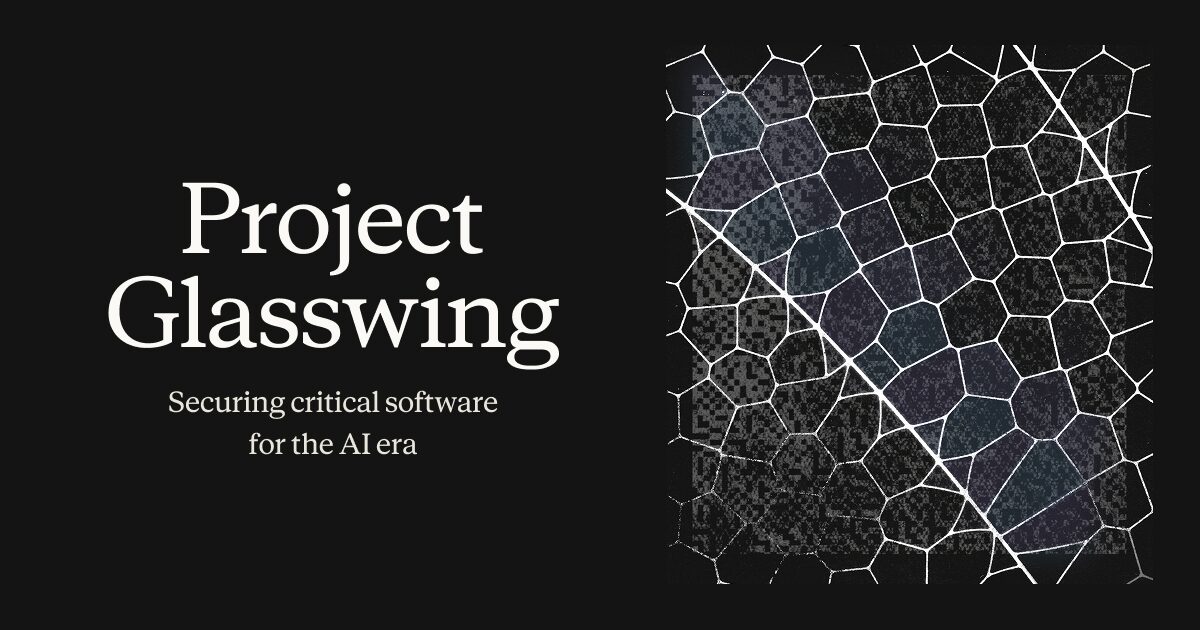
Anthropic's Claude Mythos Found Thousands of Zero-Days, So They Locked It Behind Project Glasswing
Anthropic announced Claude Mythos, its most capable model ever, and simultaneously refused to release it publicly after discovering it could autonomously find and exploit zero-day vulnerabilities in every major operating system and browser. In testing, Mythos succeeded 181 times at exploiting Firefox vulnerabilities where a previous model managed just 2, and it discovered flaws that had survived 27 years of human review. Over 99% of the vulnerabilities it found remain unpatched. Rather than releasing it broadly, Anthropic created Project Glasswing, a restricted consortium including Amazon, Apple, Google, Cisco, CrowdStrike, JPMorgan Chase, Microsoft, and NVIDIA, to use a limited variant called Mythos Preview to preemptively secure critical software. This is the first time a major AI lab has explicitly withheld a model because its offensive capabilities were too dangerous, setting a precedent for how the industry handles dual-use AI breakthroughs.

Cursor Raising $2 Billion at $50 Billion Valuation After Hitting $2B ARR in Three Years
AI coding startup Cursor is in talks to raise $2 billion at a valuation exceeding $50 billion, co-led by Andreessen Horowitz with participation from NVIDIA, Thrive Capital, and Battery Ventures. The round would nearly double its previous $29.3 billion valuation from just six months ago. Cursor's revenue trajectory is staggering: $100 million ARR in January 2025, $500 million by June, $1 billion by November, $2 billion by February 2026, with projections to exceed $6 billion by year-end. This is the fastest revenue ramp in software history, and it signals that AI-native coding tools aren't just a feature upgrade but a category that can generate venture-scale returns on its own. The fact that NVIDIA is participating suggests the GPU maker sees coding agents as a durable driver of compute demand.

Anti-AI Backlash Turns Violent: Molotov Cocktail Thrown at Sam Altman's Home
A 20-year-old Texas man named Daniel Moreno-Gama traveled to San Francisco and threw a Molotov cocktail at OpenAI CEO Sam Altman's home at 4 a.m., setting an exterior gate ablaze before attempting to also torch OpenAI's headquarters. He was arrested carrying a manifesto detailing anti-AI beliefs and a list of other AI executives' names. Moreno-Gama, who had published anti-AI writings on Substack predicting AI-caused human extinction, now faces two counts of attempted murder. Days later, two more individuals were arrested after a shooting near Altman's home. The incidents represent the most extreme manifestation of rising anti-AI sentiment, which a Fortune analysis connects to broader public frustration over data center expansion, job displacement fears, and the perception that AI development is happening without democratic consent.

NVIDIA Open-Sources Ising, the First AI Models Purpose-Built for Quantum Computing
NVIDIA released Ising, the world's first family of open-source AI models designed specifically to accelerate quantum computing by tackling its two biggest bottlenecks: processor calibration and error correction. The models deliver 2.5x faster performance and 3x higher accuracy for quantum error-correction decoding compared to existing tools. The family includes Ising Calibration for automating the rapid tuning of quantum processors and Ising Decoding for real-time error correction. Major quantum labs including Harvard, Fermi National Accelerator Laboratory, Lawrence Berkeley National Laboratory, and companies like IQM Quantum Computers and Infleqtion are already adopting it. This matters because quantum error correction is the single biggest barrier to useful quantum computers, and NVIDIA is betting that AI, not better hardware alone, is the key to solving it.

Claude Code Source Leak Spawns GitHub's Fastest-Growing Repo, Then a Malware Trap
Anthropic accidentally shipped a 59.8 MB JavaScript source map in a Claude Code npm package, exposing 513,000 lines of unobfuscated TypeScript across 1,906 files, including the agent's full orchestration logic, permissions system, and security internals. Within hours, a developer used AI to translate the entire codebase into Python, creating a repository called claw-code that crossed 100,000 GitHub stars faster than any project in history. Anthropic issued DMCA takedowns, but the damage was done. Worse, the incident spawned a secondary threat: malicious actors created fake Claude Code repositories on GitHub that delivered Vidar, an infostealer that harvests credentials, credit card data, and browser history. The episode is a cautionary tale about the unintended consequences of shipping AI tools at speed, and it raises hard questions about whether source maps should ever be included in production npm packages.
Test your understanding
Quiz
1 / 10
Why did Anthropic refuse to publicly release Claude Mythos?
Previous digests
 Oct 17Meta's updated commercial terms, which take effect October 30, let it use crawlers to coll...4 stories
 Oct 16Anthropic is embedding six researchers from the evaluation nonprofit METR with internal to...4 stories
 Oct 15Today is about who controls the pipes. Anthropic is paying real money to stop rivals from ...4 stories
 Oct 14Google finally ships Gemini 4 Argon after months of delays, but the quieter headlines are ...5 stories
 Oct 13Today's theme is who gets to check the homework. Anthropic and OpenAI are reportedly haggl...5 stories