// AI Briefing · April 22, 2026
AI Briefing
Amazon just tripled down on Anthropic in the same week OpenAI inked its own $20B Cerebras bet, handing Claude a 5-gigawatt pipeline and $100 billion of future AWS spend. OpenAI responded with ChatGPT Images 2.0, an image model that actually thinks before it draws. Meta, meanwhile, is installing keystroke-and-mouse trackers on its own employees' laptops to feed its AI agents, and a SpaceX alum is closing in on the first FAA certification for an uncrewed cargo plane.
Top stories
- 01Amazon Pours Another $25 Billion Into Anthropic for a 5-Gigawatt Trainium DealIndustry
- 02OpenAI Launches ChatGPT Images 2.0, the First Image Model That Reasons Before It DrawsProduct
- 03Meta Will Record Its Own Employees' Keystrokes and Mouse Movements to Train AI AgentsIndustry
- 04Reliable Robotics Raises $160M at Nearly $1 Billion to Certify the First Uncrewed Cargo PlaneFunding
The stories

Amazon Pours Another $25 Billion Into Anthropic for a 5-Gigawatt Trainium Deal
Amazon will invest up to $25 billion more in Anthropic, on top of $8 billion already committed, in exchange for Anthropic spending over $100 billion on AWS technologies over the next decade. The expanded agreement secures up to 5 gigawatts of compute capacity for training and deploying Claude, anchored on Amazon's custom Trainium2, Trainium3, and future Trainium silicon. Anthropic already runs over one million Trainium2 chips, and its run-rate revenue has surged from $9 billion at the end of 2025 to more than $30 billion today. This is the clearest sign yet that the AI compute war has broken out of NVIDIA's orbit and split along custom-silicon lines, with Anthropic stacking Amazon Trainium on top of its earlier 3.5 GW Google TPU deal to lock in a staggering multi-vendor supply chain.
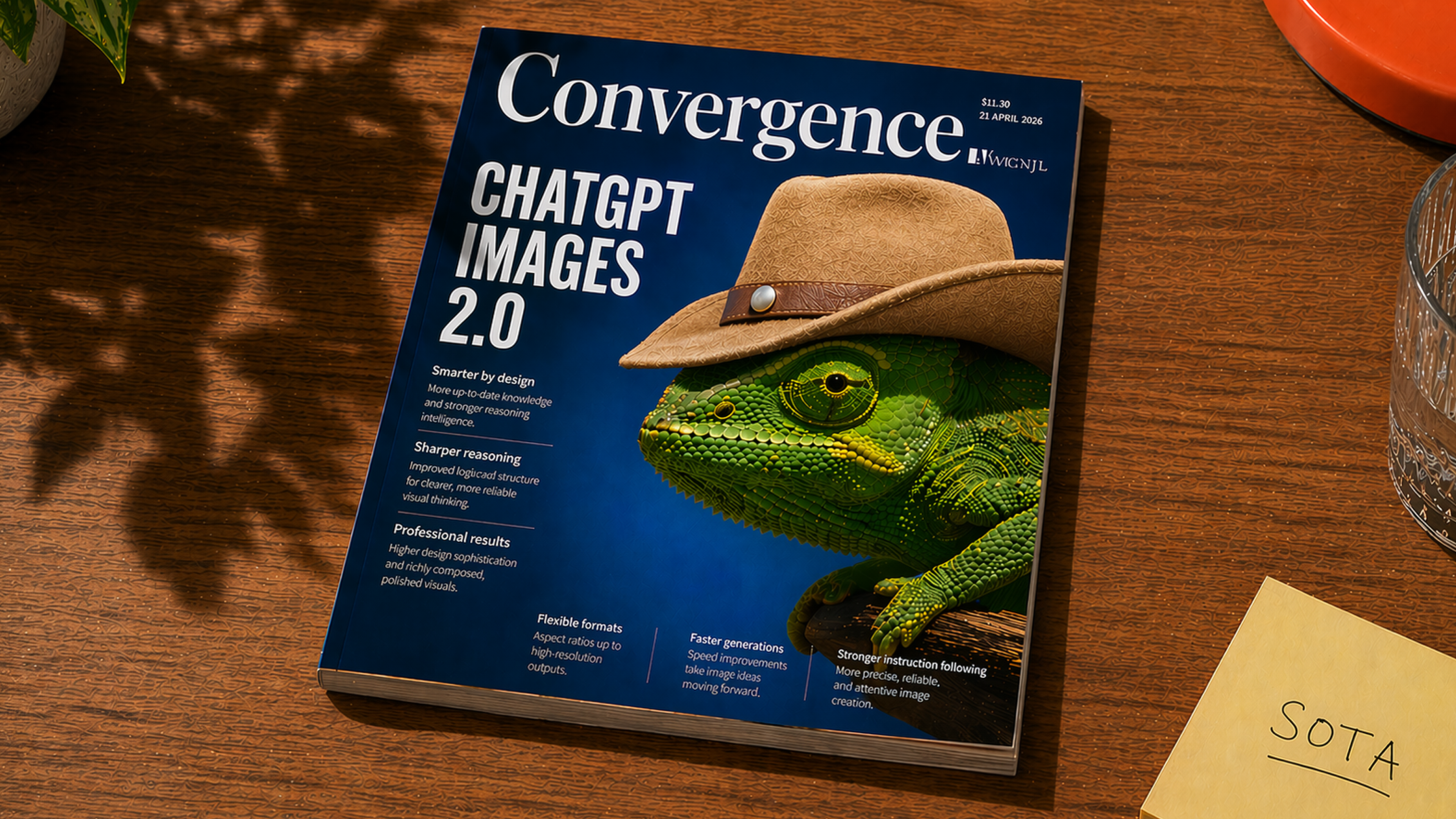
OpenAI Launches ChatGPT Images 2.0, the First Image Model That Reasons Before It Draws
OpenAI released ChatGPT Images 2.0, powered by a new gpt-image-2 model that runs in two modes: Instant for quick generations and Thinking, which reasons through structure, searches the web for reference, and self-checks its output before rendering. The upgrade ships 2K resolution, dramatically better multilingual text rendering, infographics, maps, slides, and manga-style output, and can generate up to eight images from one prompt while preserving character and object consistency across frames. Instant mode is free for all ChatGPT users, while Thinking mode is gated to Plus, Pro, and Business subscribers. DALL-E 2 and DALL-E 3 will be retired on May 12, making this the first reasoning-native image model to fully replace diffusion-only predecessors inside a flagship consumer product.

Meta Will Record Its Own Employees' Keystrokes and Mouse Movements to Train AI Agents
Meta is installing tracking software on U.S.-based employees' work laptops that will record mouse movements, clicks, keystrokes, and periodic screen snapshots to train its AI models. The program, called the Model Capability Initiative (MCI), runs inside work-related apps and websites and is pitched as a way to collect the real human computer-use data its agents need to complete everyday tasks. Meta says the captured data will be used only for model training, not performance reviews, but privacy advocates immediately called it a precedent-setting form of workplace surveillance that blurs the line between productivity monitoring and AI dataset collection. The move comes as every frontier lab races to train computer-use agents, and it quietly establishes a new norm: your own employees are now a renewable training corpus.
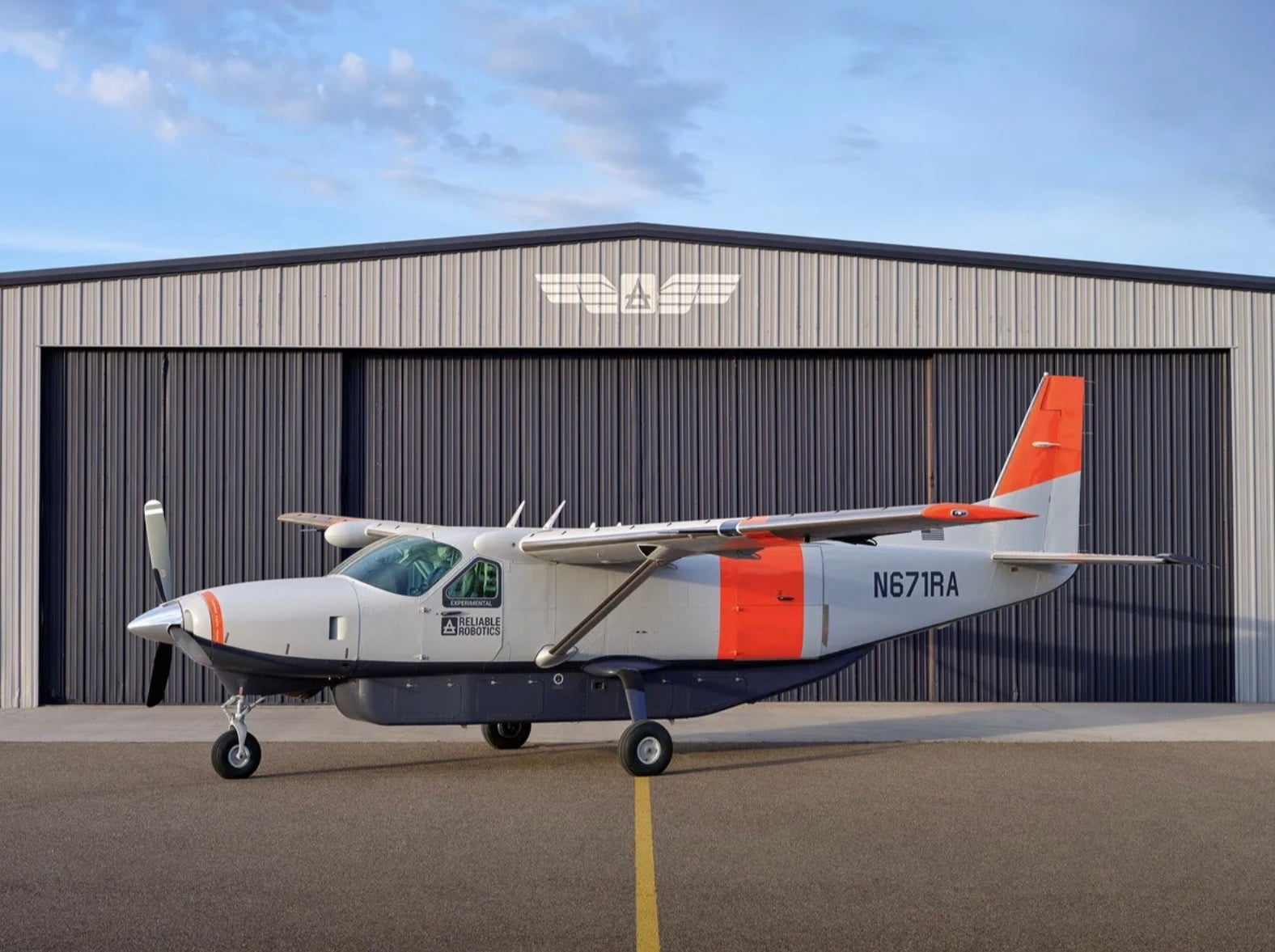
Reliable Robotics Raises $160M at Nearly $1 Billion to Certify the First Uncrewed Cargo Plane
Reliable Robotics closed a $160 million round at a valuation near $1 billion, bringing total capital raised to $300 million, with Nimble Partners leading and Boeing's AE Ventures, RTX Ventures, and Sumitomo's Presidio Ventures joining returning backers Eclipse, Lightspeed, and Coatue. CEO Robert Rose, a SpaceX alum, told Bloomberg the money funds the 'mountain of evidence' needed to win an FAA certification for an uncrewed Cessna 208 Caravan, a strategy that retrofits autonomy onto an already-certified airframe that FedEx already flies. That is a markedly different wedge from Zipline, Wing, and Amazon Prime Air, which are trying to certify new aircraft, new autonomy stacks, and new operating concepts at once. Reliable already has commitments for over 200 systems from commercial and military customers.
Test your understanding
Quiz
1 / 8
How much compute capacity did Anthropic secure in the new Amazon deal?
Previous digests
- Oct 20A Reuters exclusive reports that a Chinese-speaking hacker gave AI agents an instruction o...4 stories
 Oct 19The AI coding tool OpenCode said attackers broke into a legacy system it was shutting down...4 stories
 Oct 18OpenAI added four new cases of misaligned agent behavior to its public incident page, brin...4 stories
 Oct 17Meta's updated commercial terms, which take effect October 30, let it use crawlers to coll...4 stories
 Oct 16Anthropic is embedding six researchers from the evaluation nonprofit METR with internal to...4 stories