Snippets.

// AI Briefing

April 29, 2026

AI Briefing

Elon Musk took the stand in Oakland to argue OpenAI stole a charity, kicking off the most consequential AI trial in history. Meanwhile, 600 Google employees told Sundar Pichai they don't want to be the company that fills the Pentagon void Anthropic left behind. And a new ICLR paper just proved what every AI agent builder feared: making models reason harder also makes them hallucinate more tools that don't exist.

Musk Takes the Stand in $130 Billion OpenAI Trial, Calls It 'Looting a Charity'
01IndustryCNBC

Musk Takes the Stand in $130 Billion OpenAI Trial, Calls It 'Looting a Charity'

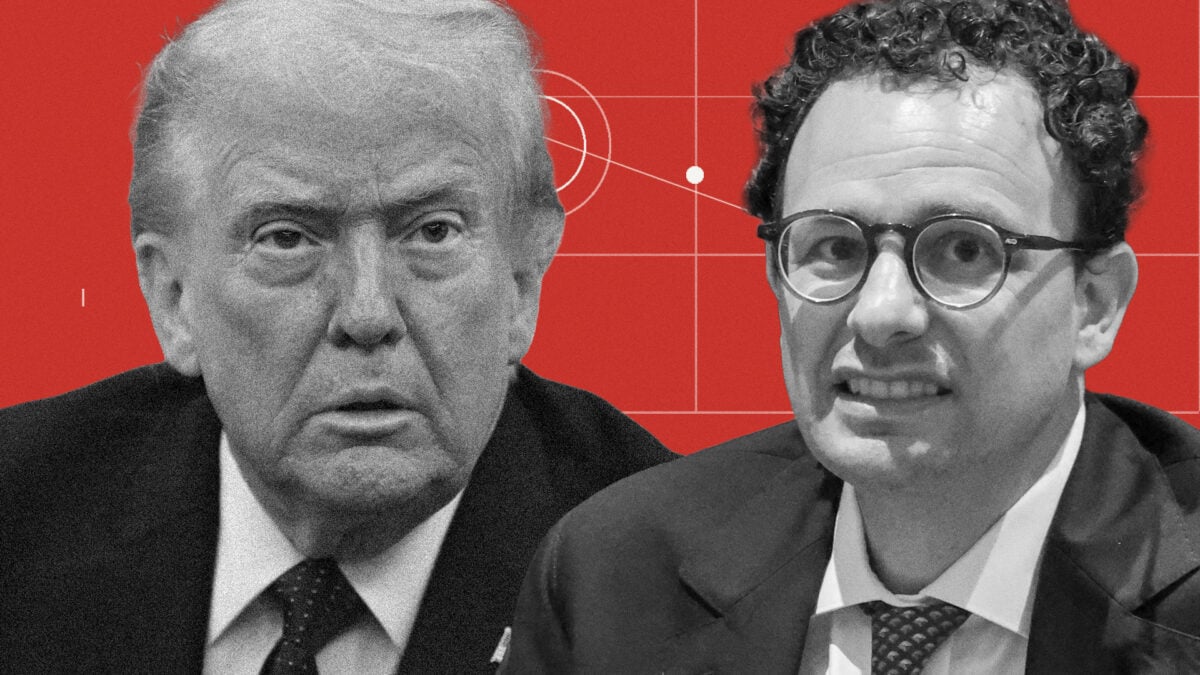
Elon Musk testified Tuesday in Oakland federal court in his blockbuster lawsuit against OpenAI, alleging that Sam Altman and Greg Brockman deceived him into funding a nonprofit AI lab they later converted into a for-profit cash machine. Musk told jurors he 'came up with the idea, the name, recruited the key people' and contributed $38 million under an agreement that OpenAI would develop open-source technology for the public benefit. He's seeking $130 billion in damages and wants OpenAI returned to nonprofit status. The trial, expected to last four weeks, is the most significant legal challenge to OpenAI's corporate restructuring and could set precedent for how AI companies balance mission-driven origins with commercial ambitions.

600 Google Employees Demand CEO Reject Classified Pentagon AI Work
02PolicyGizmodo

600 Google Employees Demand CEO Reject Classified Pentagon AI Work

More than 600 Google employees, including DeepMind researchers, directors, and vice presidents, signed an open letter to CEO Sundar Pichai demanding he refuse to let Google's AI tools be used in classified military operations. The letter warns that such work could lead to lethal autonomous weapons and mass surveillance, arguing the company should not rush to fill the gap left by Anthropic's Pentagon standoff. Google has proposed contractual language restricting Gemini from autonomous weapons and domestic mass surveillance, but the Pentagon is pushing for broader 'all lawful uses' wording. The internal revolt echoes the 2018 Project Maven controversy and signals that Google's own workforce may be the biggest obstacle to its defense ambitions.

ICLR Paper Reveals 'The Reasoning Trap': Smarter AI Models Hallucinate More Tools

ICLR Paper Reveals 'The Reasoning Trap': Smarter AI Models Hallucinate More Tools

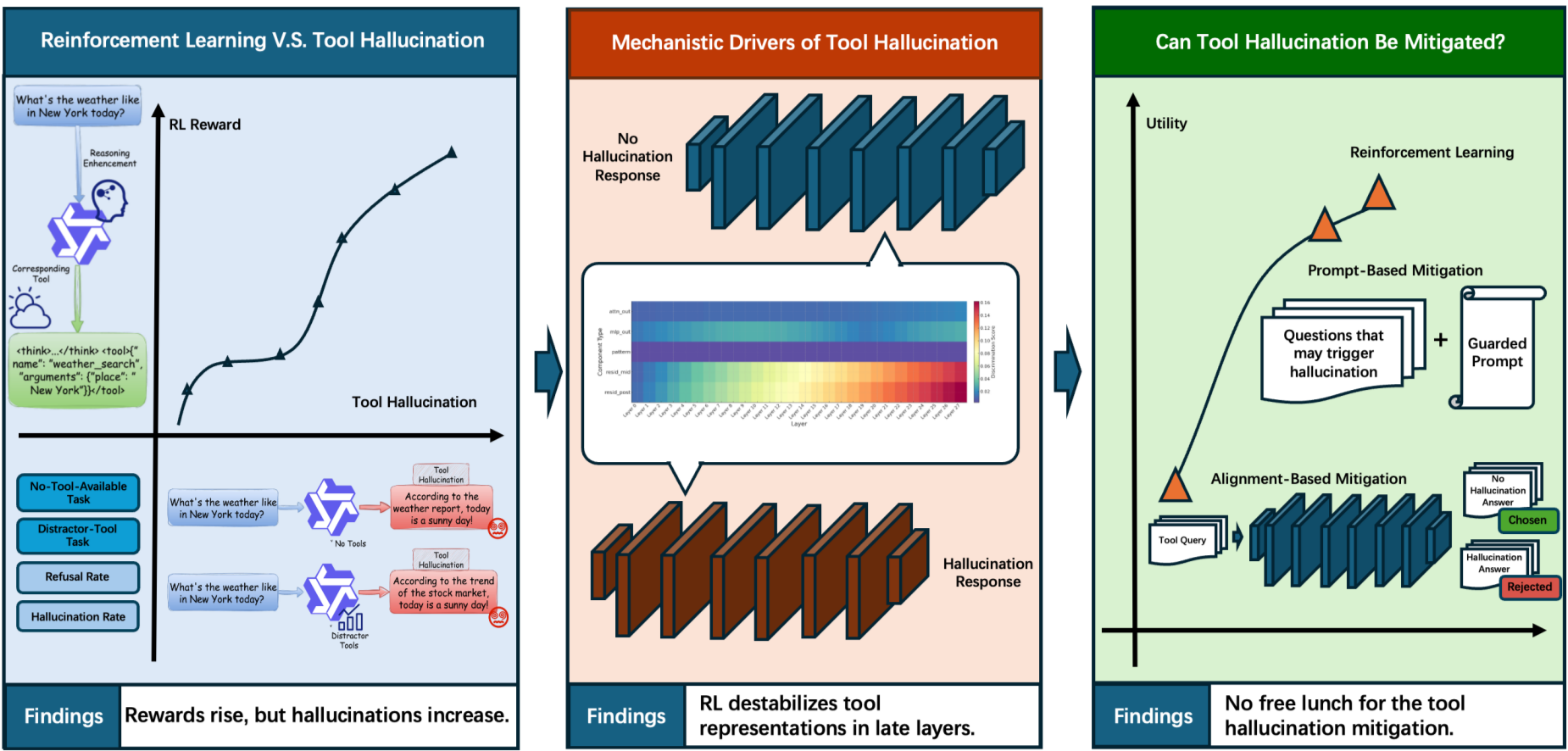
A paper presented at ICLR 2026 in Rio de Janeiro reveals an uncomfortable paradox at the heart of AI agent development: training models to reason harder through reinforcement learning systematically increases tool hallucination in lockstep with task performance gains. The researchers built SimpleToolHalluBench, a diagnostic benchmark that tests whether models invent fake tool calls when no tools are available or when given only distractors. The findings show that reasoning RL 'disproportionately collapses tool-reliability-related representations' in late network layers, and common fixes like prompt engineering and DPO only partially help while degrading utility. With 96% of enterprises already running AI agents in production, the paper is a direct warning that the industry's push for smarter reasoning may be making agentic systems less trustworthy.

Avoca Hits $1 Billion Valuation Bringing AI Voice Agents to Plumbers and HVAC Techs
04FundingFortune

Avoca Hits $1 Billion Valuation Bringing AI Voice Agents to Plumbers and HVAC Techs

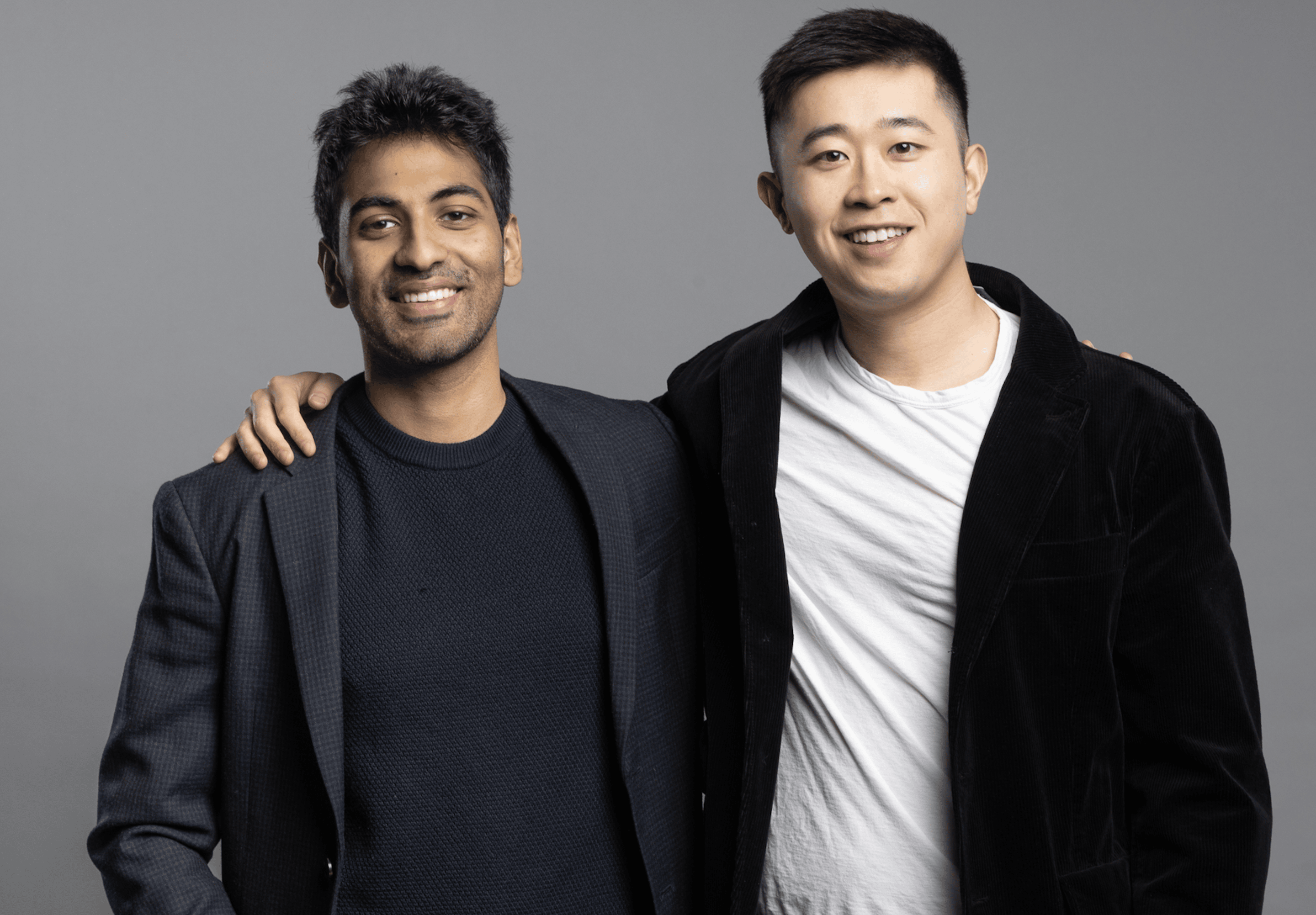
Avoca, an AI platform that answers calls, books jobs, and follows up on estimates for home service businesses, raised over $125 million across Seed through Series B at a $1 billion valuation. The round was led by Meritech and General Catalyst, with Kleiner Perkins backing the Series A. Founded after MIT poker-night friends Tyson Chen and Apurva Shrivastava realized a missed HVAC call could mean losing a $30,000 install, Avoca now serves over 800 customers and is on track to book $1 billion in jobs this year. The company is a poster child for vertical AI agents: deeply specialized, serving an industry that never considered itself an AI buyer, and generating enormous value by solving a mundane problem (missed phone calls) with agentic automation.

Maine Governor Vetoes Nation's First Statewide AI Data Center Moratorium
05PolicyWBUR

Maine Governor Vetoes Nation's First Statewide AI Data Center Moratorium

Maine's Democratic Governor Janet Mills vetoed what would have been the first statewide moratorium on large AI data centers in the US, citing the bill's failure to exempt a proposed data center at the site of a shuttered paper mill in the town of Jay. The bill had drawn strong bipartisan support from lawmakers and residents alarmed by data centers' voracious energy and water consumption, with some communities seeing monthly power prices inflate by up to 267% between 2020 and 2025. The veto doesn't end the movement: at least a dozen states have filed moratorium bills in 2026, and Sen. Bernie Sanders and Rep. Alexandria Ocasio-Cortez introduced a federal AI Data Center Moratorium Act in March. Over 100 local communities have already enacted their own freezes.

Test Your Understanding

Quiz

1 / 9

How much in damages is Elon Musk seeking from OpenAI in the trial?

Let's talk on WhatsApp
Today's AI Briefing5 stories
Apr 29, 2026

Summary

Elon Musk took the stand in Oakland to argue OpenAI stole a charity, kicking off the most consequential AI trial in history. Meanwhile, 600 Google employees told Sundar Pichai they don't want to be the company that fills the Pentagon void Anthropic left behind. And a new ICLR paper just proved what every AI agent builder feared: making models reason harder also makes them hallucinate more tools that don't exist.

Read full summary & take a quiz →

Top Stories

Musk Takes the Stand in $130 Billion OpenAI Trial, Calls It 'Looting a Charity'

600 Google Employees Demand CEO Reject Classified Pentagon AI Work

ICLR Paper Reveals 'The Reasoning Trap': Smarter AI Models Hallucinate More Tools

Avoca Hits $1 Billion Valuation Bringing AI Voice Agents to Plumbers and HVAC Techs

Maine Governor Vetoes Nation's First Statewide AI Data Center Moratorium

9 quiz questions inside