Snippets.

// AI Briefing

May 3, 2026

AI Briefing

Auto China 2026 just gave us the clearest signal yet that commercial L3 driving is no longer a 'someday' story, while Google quietly planted a $15 billion flag in India that could reshape where the world's AI actually gets built. Meanwhile, Meta's buying robot brains, Stanford says human scientists still run circles around AI agents, and the EU's AI Act deadline drama just got messier.

Huawei Launches Commercial L3 Autonomous Driving at Auto China 2026, Legally Letting Drivers Go Hands-Free
01ProductCGTN

Huawei Launches Commercial L3 Autonomous Driving at Auto China 2026, Legally Letting Drivers Go Hands-Free

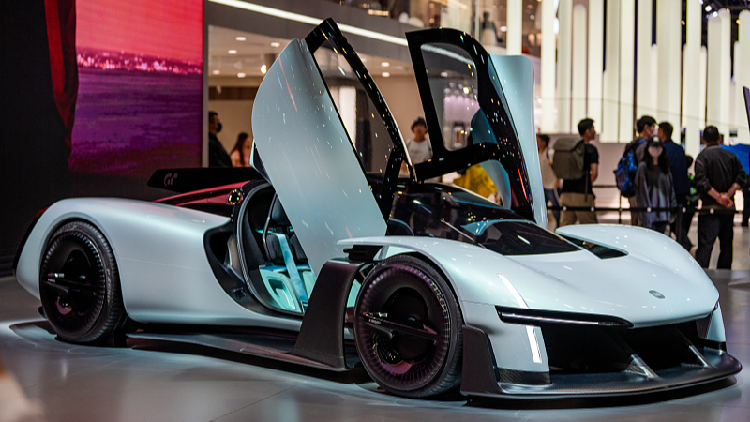
Huawei's ADS 5.0 became the first system in China to offer license-plate-ready Level 3 autonomous driving for highways, meaning drivers can legally take their hands off the wheel at speeds of 60-120 km/h. The system uses an 896-line LiDAR and a self-developed vehicle OS, with Huawei revealing its cloud training compute has exploded 21-fold to 60 EFLOPS in 29 months. By year-end, over 80 car models from partners including BYD, Audi, and Mercedes-Benz will ship with the system, targeting 3 million cumulative installations.

Google Breaks Ground on $15 Billion AI Hub in India, the Largest Single Foreign Investment in Indian History
02IndustryGoogle Blog

Google Breaks Ground on $15 Billion AI Hub in India, the Largest Single Foreign Investment in Indian History

Google officially broke ground in Visakhapatnam on a five-year, $15 billion AI infrastructure project that will include India's first gigawatt-scale AI hub across three data center campuses, a new international subsea cable gateway, and partnerships with AdaniConnex and Airtel. The investment dwarfs any previous single foreign direct investment in India and is expected to generate at least 200,000 direct and indirect jobs. The move signals that the AI infrastructure race is no longer just a US-China story.

Meta Acquires Assured Robot Intelligence to Power Its Humanoid AI Ambitions
03IndustryTechCrunch

Meta Acquires Assured Robot Intelligence to Power Its Humanoid AI Ambitions

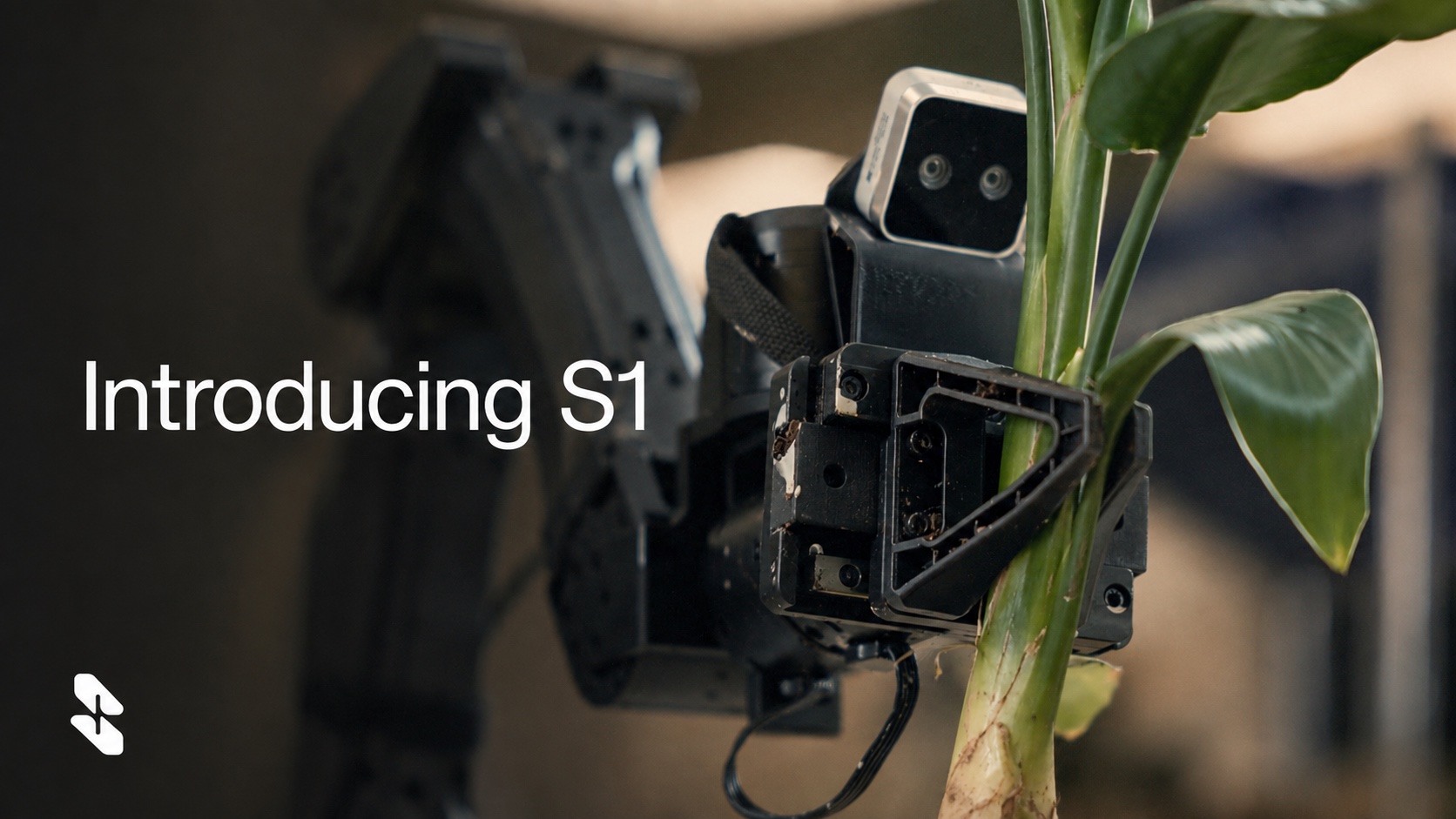
Meta acquired Assured Robot Intelligence (ARI), a startup building foundation models for humanoid robots that can understand, predict, and adapt to human behaviors. ARI's co-founders Lerrel Pinto (NYU professor, former OpenAI researcher) and Xiaolong Wang (UC San Diego, former Nvidia researcher) will join Meta's Superintelligence Labs. The deal puts Meta squarely in the humanoid robotics race alongside Tesla, Figure, and 1X, targeting a market analysts project could reach $5 trillion.

Stanford AI Index 2026: Human Scientists Still Trounce AI Agents on Complex Research Tasks
04ResearchNature

Stanford AI Index 2026: Human Scientists Still Trounce AI Agents on Complex Research Tasks

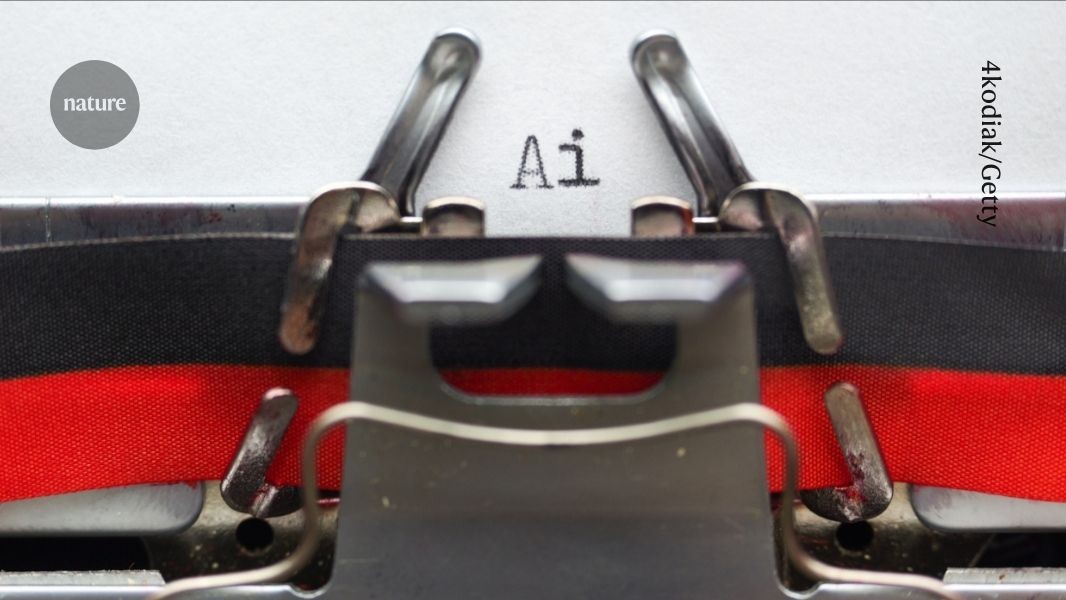
The Stanford Institute for Human-Centered AI's annual index report found that despite a 30-fold explosion in AI-mentioning science papers since 2010, there's scant evidence that AI agents are actually improving research productivity. AI agents still badly underperform human scientists on complex multi-step tasks, and Princeton researcher Arvind Narayanan warned the boom is 'happening too fast, without giving scientific norms time to adjust.' The report lands as 96% of enterprises claim to be running AI agents in production.

EU AI Act Reform Talks Collapse After 12-Hour Marathon, August 2026 High-Risk Deadline Holds
05PolicyIAPP

EU AI Act Reform Talks Collapse After 12-Hour Marathon, August 2026 High-Risk Deadline Holds

After 12 hours of negotiations that began April 28 and ran into the early morning, the European Parliament and Council of the EU failed to agree on reforms to the AI Act's high-risk rules under the Digital Omnibus proposal. The collapse means the original August 2, 2026 compliance deadline for high-risk AI systems remains legally binding, with no guaranteed delay. Companies deploying AI in healthcare, hiring, law enforcement, and critical infrastructure now face a hard three-month countdown with no certainty the rules will be softened.

Test Your Understanding

Quiz

1 / 8

What makes Huawei's ADS 5.0 legally significant compared to previous autonomous driving systems in China?

Let's talk on WhatsApp
Today's AI Briefing5 stories
Jul 31, 2026

Summary

Today the frontier moved in two directions at once: into the physical world and into the courtroom. Google DeepMind gave humanoids a single brain for their whole body, while a German court handed down Europe's first binding verdict that training AI music on copyrighted songs needs a license. Add a fresh Anthropic flagship, a jittery Meta capex spike, and 1,300 AI insiders quietly asking Washington for a brake pedal, and you get a day that captures the whole tension of this moment: everyone is building faster than ever, and everyone is starting to wonder who gets to slow it down.

Read full summary & take a quiz →

Top Stories

Google DeepMind's Gemini Robotics 2 Gives a Humanoid One Brain for Legs, Torso, Arms and Fingers

A German Court Just Ruled AI Music Firm Suno Broke Copyright, Europe's First Binding Verdict of Its Kind

Meta Lifts the Floor on Its AI Spending to $145B as Free Cash Flow Nearly Vanishes

Nearly 1,300 AI Insiders From OpenAI, Anthropic, DeepMind and Meta Ask Washington for a Way to Slow AI Down

Anthropic Ships Claude Opus 5, Its Fourth Model in Two Months, Topping Fable 5 at Half the Cost

8 quiz questions inside