Snippets.

// AI Briefing

May 26, 2026

AI Briefing

Trump pulled the plug on his own AI executive order hours before signing it, revealing a White House that can't decide whether to regulate the technology it keeps calling America's greatest asset. Meanwhile OpenAI is quietly building an advertising empire inside ChatGPT, shipping Codex to every phone, and Penn physicists just created a particle that could eventually make all of this run on light instead of electrons.

Trump Abruptly Cancels AI Executive Order, Leaving Regulation in Limbo
01PolicyCNBC

Trump Abruptly Cancels AI Executive Order, Leaving Regulation in Limbo

President Trump pulled his much-anticipated AI executive order hours before a scheduled signing ceremony, telling reporters he didn't want to do anything that might undermine America's lead over China. The order would have established a voluntary pre-release review process for frontier AI models, with companies sharing advanced systems with the government before launch. White House AI adviser David Sacks and several tech executives opposed the measure, arguing even a voluntary framework would chill innovation. The reversal leaves the US without a cohesive federal AI policy at exactly the moment when Anthropic's Mythos model has pushed cybersecurity concerns to a new high.

Penn Physicists Create Light-Matter Hybrid Particle That Could Revolutionize AI Hardware
02ResearchPenn Today

Penn Physicists Create Light-Matter Hybrid Particle That Could Revolutionize AI Hardware

Researchers at the University of Pennsylvania led by Bo Zhen have created exciton-polaritons, hybrid particles that fuse the speed of photons with the interactivity of electrons, and demonstrated all-optical signal switching using just 4 quadrillionths of a joule of energy. That's far less than the energy needed to power a small LED. The breakthrough matters because today's AI hardware is hitting thermal and efficiency walls as models grow larger, and photonic computing could process camera and sensor data directly as light without constant electrical conversion. If scalable, the technology could drastically cut the energy demands of large AI systems and eventually support basic quantum computing functions on chips.

OpenAI Opens Self-Serve Ads Manager to All US Businesses Inside ChatGPT
03IndustryAxios

OpenAI Opens Self-Serve Ads Manager to All US Businesses Inside ChatGPT

OpenAI launched its Ads Manager platform as a self-serve tool for any US business, dropping the previous $50,000 minimum spend requirement and adding cost-per-click bidding alongside cost-per-impression. The company is targeting $2.5 billion in ad revenue this year and $100 billion by 2030, with agency partners including Dentsu, Omnicom, Publicis, and WPP already integrated. Ad-tech platforms Adobe, Criteo, Kargo, Pacvue, and StackAdapt also have access. OpenAI insists ads won't influence ChatGPT's core model responses, but the move marks a fundamental shift: the company that once positioned itself as a research nonprofit is now building a Google-scale advertising business inside a conversational AI.

OpenAI Brings Codex Coding Agent to Mobile, Now Used by 4 Million Developers Weekly
04ProductEngadget

OpenAI Brings Codex Coding Agent to Mobile, Now Used by 4 Million Developers Weekly

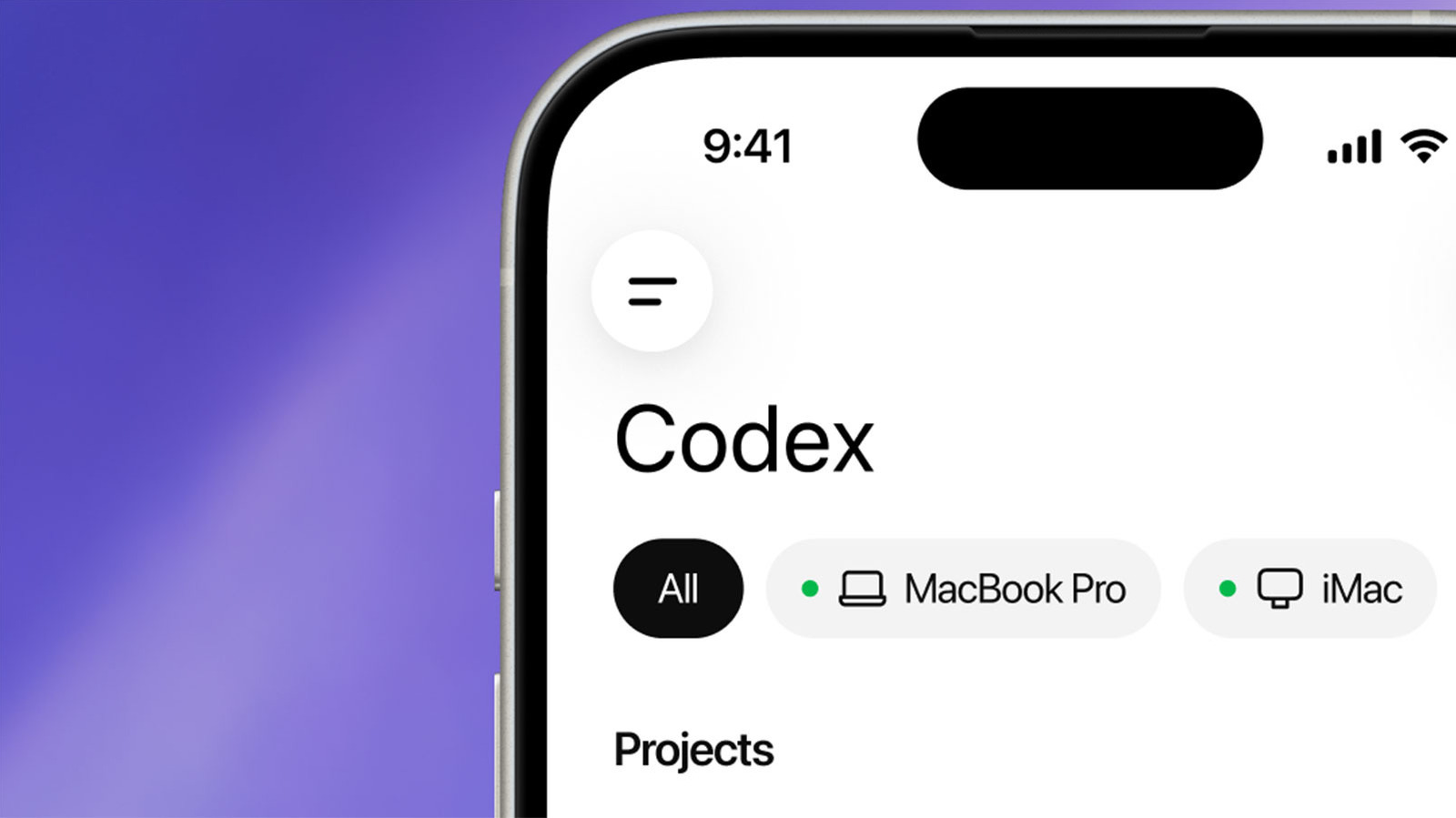
OpenAI extended Codex, its AI coding agent, to the ChatGPT mobile app on both iOS and Android, allowing all users including those on the free tier to monitor active coding sessions, approve commands, review outputs, and launch new tasks from their phones. The mobile app acts as a remote control for Codex sessions running on a Mac or company server, keeping files and credentials secure on the host machine. With over 4 million weekly users, Codex has become one of OpenAI's fastest-growing products. The mobile launch signals a broader vision where AI agents run complex background tasks on powerful machines while humans supervise from anywhere.

Test Your Understanding

Quiz

1 / 8

What would the cancelled AI executive order have established?

Let's talk on WhatsApp
Today's AI Briefing4 stories
May 26, 2026

Summary

Trump pulled the plug on his own AI executive order hours before signing it, revealing a White House that can't decide whether to regulate the technology it keeps calling America's greatest asset. Meanwhile OpenAI is quietly building an advertising empire inside ChatGPT, shipping Codex to every phone, and Penn physicists just created a particle that could eventually make all of this run on light instead of electrons.

Read full summary & take a quiz →

Top Stories

Trump Abruptly Cancels AI Executive Order, Leaving Regulation in Limbo

Penn Physicists Create Light-Matter Hybrid Particle That Could Revolutionize AI Hardware

OpenAI Opens Self-Serve Ads Manager to All US Businesses Inside ChatGPT

OpenAI Brings Codex Coding Agent to Mobile, Now Used by 4 Million Developers Weekly

8 quiz questions inside