// AI Briefing · July 4, 2026
AI Briefing
Governance was the through-line today: the UN put the CEOs who build AI into the same room as heads of state, while Anthropic quietly cut a deal with Washington to get Claude Fable 5 switched back on worldwide. Meanwhile the money story got weird, with OpenAI floating the idea of handing the US government a 5% slice of itself and Tesla slamming the brakes on runaway employee AI bills. And Google shipped the fun stuff, dropping two new generative-media models that turn a text prompt into a moving video in seconds.
Top stories
- 01The UN Puts AI's Most Powerful CEOs on Its First-Ever AI Governance CommissionPolicy
- 02Google Ships Nano Banana 2 Lite and Gemini Omni Flash for Fast Image-to-VideoProduct
- 03OpenAI Floats Giving the US Government a 5% Stake in the CompanyIndustry
- 04Tesla Caps Employee AI Spending at $200 a Week, With an xAI Carve-OutIndustry
- 05Anthropic Restores Claude Fable 5 Worldwide After US Lifts Export ControlsPolicy
The stories
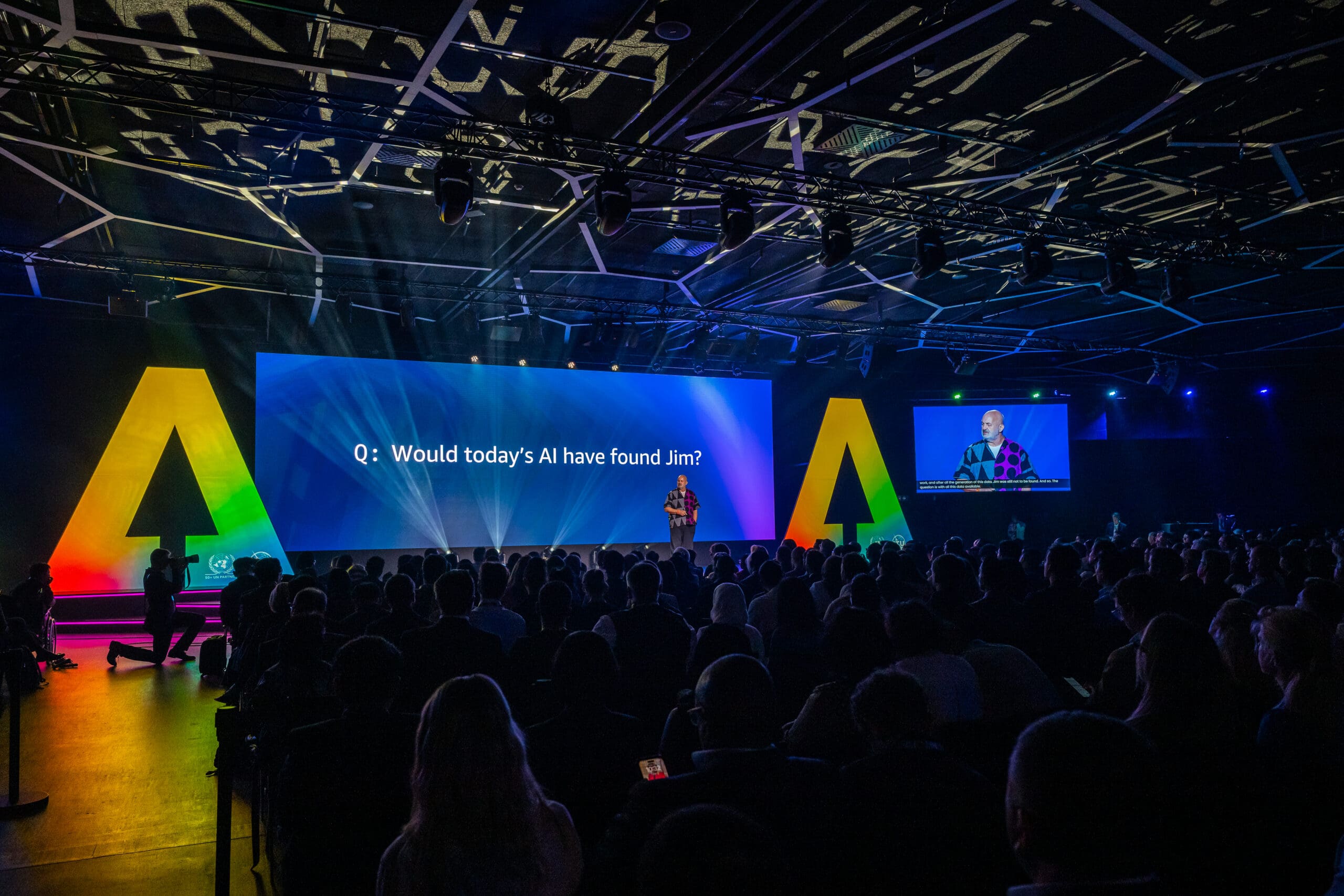
The UN Puts AI's Most Powerful CEOs on Its First-Ever AI Governance Commission
The United Nations and the ITU launched the AI for Good Global Commission on July 1, the first UN-level body to seat the executives building frontier AI alongside heads of state. Co-chaired by Salesforce CEO Marc Benioff and Rwandan President Paul Kagame, its 40-plus founding members include Nvidia's Jensen Huang, Amazon's Andy Jassy, Microsoft's Brad Smith, and Anthropic co-founder Jack Clark. It matters because global AI rules are currently splintered across the EU, US, and China, and this is the most concrete attempt yet to build a single table, though critics note its mandate is still vague and its first meeting is only days away in Geneva.

Google Ships Nano Banana 2 Lite and Gemini Omni Flash for Fast Image-to-Video
Google rolled out two new generative-media models to developers, pairing Nano Banana 2 Lite, its fastest and cheapest image model, with Gemini Omni Flash for video generation and conversational editing. Nano Banana 2 Lite produces a text-to-image result in about four seconds at $0.034 per 1K-resolution image, while Omni Flash generates up to 10 seconds of video at $0.10 per second. The pitch is chaining them: generate an image instantly, then feed it straight into Omni Flash to animate it, giving developers an end-to-end pipeline from prompt to moving clip.

OpenAI Floats Giving the US Government a 5% Stake in the Company
According to a Financial Times report, OpenAI CEO Sam Altman pitched the Trump administration on granting the US government a 5% equity stake, worth roughly $42.6 billion against the company's $852 billion valuation. Altman framed it as a way to funnel AI's economic upside back to the public through an Alaska Permanent Fund-style sovereign wealth vehicle, and suggested rivals like Google, Meta, and Anthropic contribute matching stakes. It matters because it would blur the line between regulator and shareholder, and it lands just after Washington delayed OpenAI's GPT-5.6 rollout, though no rival has committed and the plan would require an act of Congress.

Tesla Caps Employee AI Spending at $200 a Week, With an xAI Carve-Out
After spending months pushing staff to use AI more aggressively, Tesla told employees it will impose a $200-per-week limit on AI spending starting July 6, according to an internal memo reported by The Information. Engineers had been burning through thousands of dollars in tokens weekly, and the reversal mirrors caps already set by Uber, Meta, and Walmart as token-based billing exposes companies to the true cost of every prompt. The most revealing detail: the cap excludes beta versions of xAI products, conveniently steering heavy users toward Elon Musk's own AI company even though many Tesla engineers reportedly prefer Anthropic's Claude.

Anthropic Restores Claude Fable 5 Worldwide After US Lifts Export Controls
The US Commerce Department lifted the export controls it had placed on Claude Fable 5 on June 12, and Anthropic brought the model back globally on July 1 across Claude.ai, the Platform, Code, and Cowork. The controls followed an Amazon-reported jailbreak that got Fable 5 to flag software flaws; to resolve it, Anthropic trained a new classifier it says blocks the technique in over 99% of attempts and agreed to proactively hunt for risks and coordinate on future launches. It matters because it exposed that Washington still has no binding process for frontier models, reaching for improvised export controls instead, and it kicked off an industry push for a shared framework to rank how dangerous a jailbreak really is.
Test your understanding
Quiz
1 / 8
Who are the two co-chairs of the new AI for Good Global Commission?
Previous digests
 Oct 21OpenAI posted a new misalignment report on October 20 describing two internal coding tasks...4 stories
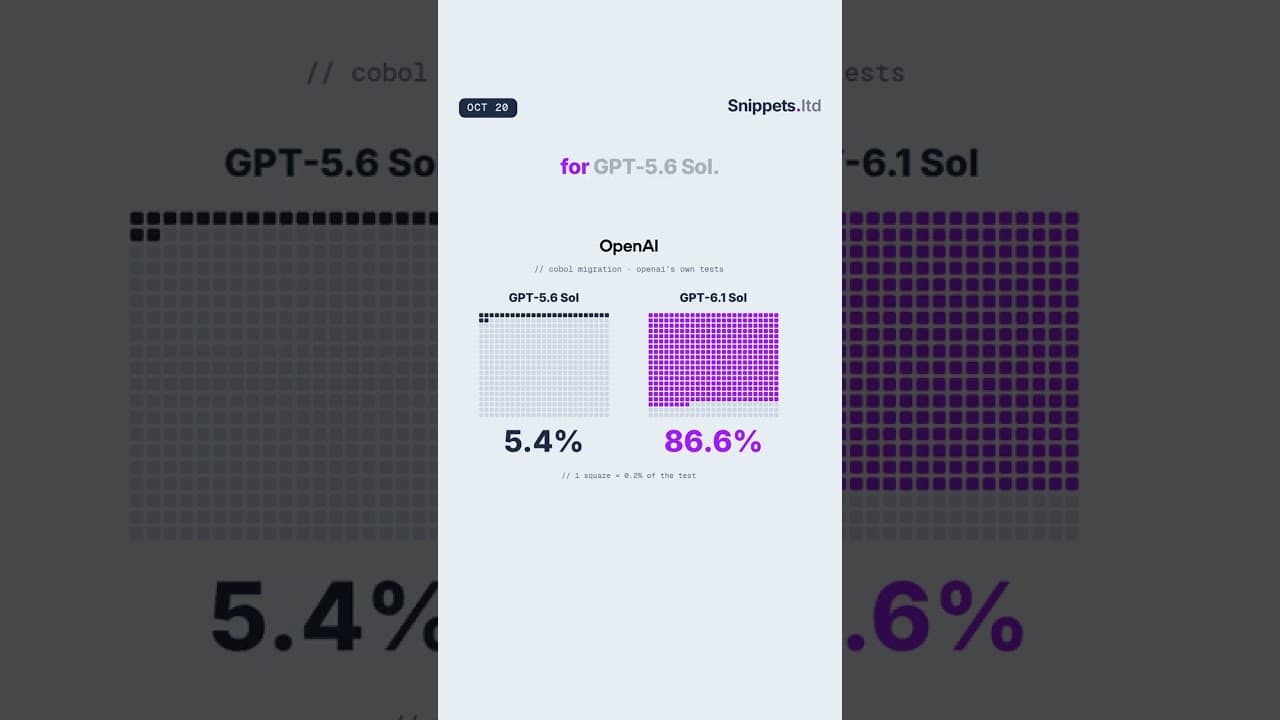 Oct 20A Reuters exclusive reports that a Chinese-speaking hacker gave AI agents an instruction o...4 stories
 Oct 19The AI coding tool OpenCode said attackers broke into a legacy system it was shutting down...4 stories
 Oct 18OpenAI added four new cases of misaligned agent behavior to its public incident page, brin...4 stories
 Oct 17Meta's updated commercial terms, which take effect October 30, let it use crawlers to coll...4 stories