Nvidia spent its way into two more layers of the AI stack in a single day, paying $6 billion for a startup's model-building machinery and weighing a bet on Perplexity, while Hugging Face quietly put itself up for sale at nearly triple its last valuation. Meanwhile China had the loudest day: a humanoid robot ran 100 metres faster than Usain Bolt ever has, XPeng's robot unit pulled in a record $900 million, and Alibaba shipped a 30-second video model and closed the weights. Anthropic, for its part, took the model it had been keeping behind a vetting programme and pointed it at your codebase.
Nvidia Pays $6 Billion for Poolside's Model Factory and 100 of Its Engineers, But Not Its Founders
Nvidia is paying $6 billion to license Poolside's 'Model Factory', the internal system the startup used to train its models, plus another $1 billion invested at a $12 billion pre-money valuation. More than 100 Poolside engineers move to Nvidia to work on Nemotron, its open-weight model family, while the three founders stay behind. The trigger was brutal: Poolside told shareholders it had a six-week window to raise $2 billion for a 40,000-GB300 cluster, missed it, and lost the cluster. Nvidia is now not just selling the shovels but digging, aiming to field a US open-weight rival to DeepSeek, Kimi and Qwen.
A Chinese Humanoid Robot Ran 100 Metres in 9.39 Seconds, Then Slammed Into a Foam Wall
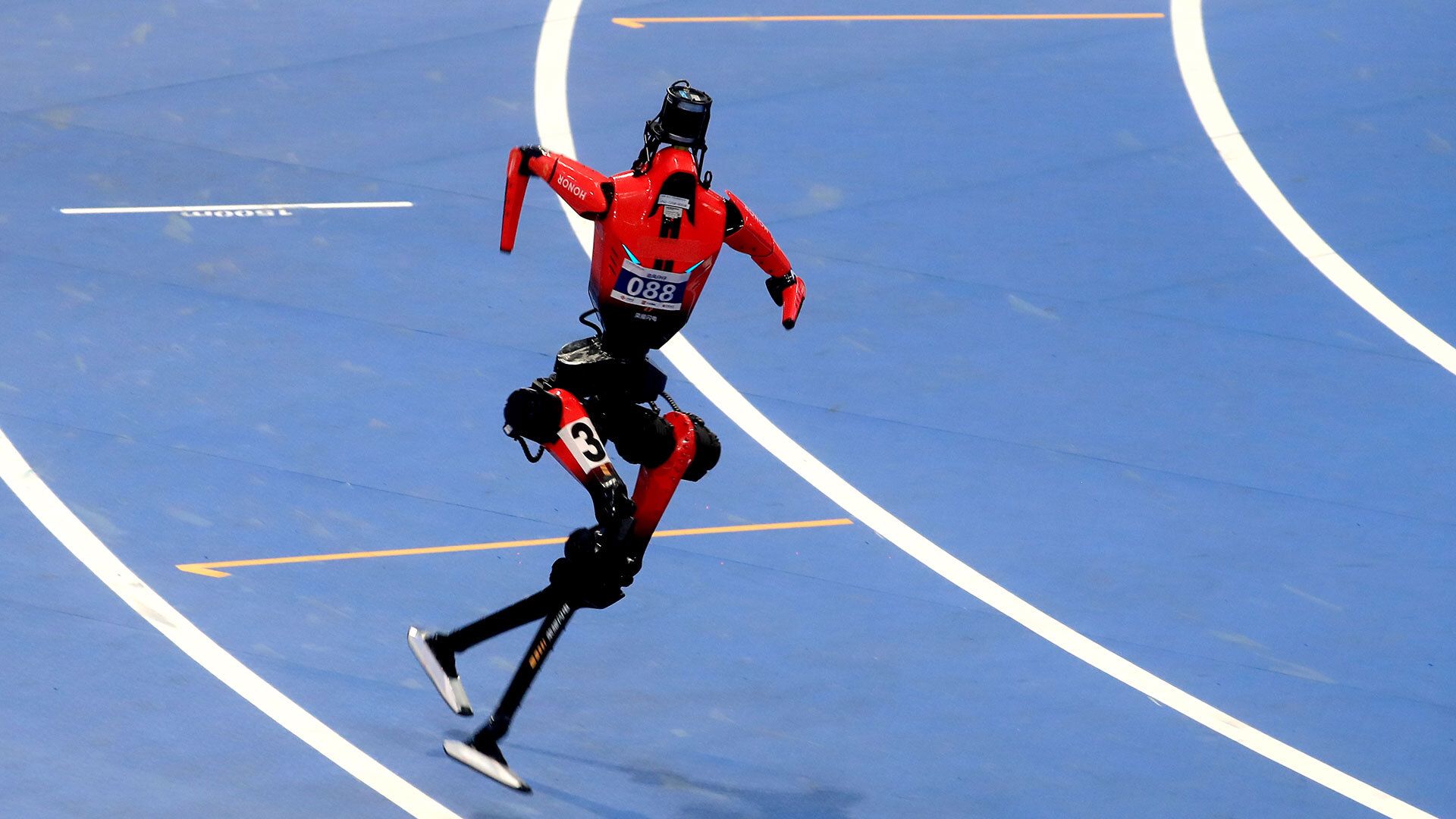
Tiangong Ultra, built by the Beijing Humanoid Robot Innovation Centre, clocked 9.39 seconds over 100 metres at the World Humanoid Robot Games, beating Usain Bolt's 9.58-second record from 2009. Honor's Lightning came second at 9.47. The number that matters more is the delta: the same Tiangong model won last year's race in 21.50 seconds, meaning bipedal robots cut 12 seconds in twelve months, a gain that took human sprinters roughly a century. Neither robot could stop, both crashing into padded mats past the line, which is a fair summary of where embodied AI actually is.
Hugging Face Hires a Bank to Explore a Sale at $13 Billion, Almost Triple Its Last Valuation
Hugging Face is sounding out buyers for a deal that could value the model hub at $13 billion or more, up from the $4.5 billion it raised at in 2023, according to Business Insider. The platform now hosts more than 3 million public models and over 1 million datasets, making it closer to GitHub for machine learning than a model developer in its own right. It would be the second neutral piece of AI plumbing to change hands this month after Stripe's reported $7.5 billion deal for OpenRouter, raising the obvious question of whether developers still treat a vendor-owned hub as neutral ground.
Anthropic Points Its Restricted Cyber Model at Your GitHub Repo, and Hands Out $35M to Open-Source Defenders
Claude Security is now in public beta for Enterprise customers, running scans on Claude Mythos 5, a model previously reserved for vetted defenders under Project Glasswing. It connects to a GitHub repo, traces data flows and git history rather than pattern-matching, then runs an adversarial self-check on each finding to cut false positives, returning CWE categories, severity and suggested patches. Crucially, users never prompt the model directly; they get fixed outputs, so the dual-use capability cannot be steered toward writing exploits. Anthropic also launched a $35 million Defender Advantage Fund in Claude credits for open-source security work.
XPeng's Robot Unit Raises $900M at $6.3B, the Biggest Embodied-AI Round China Has Seen
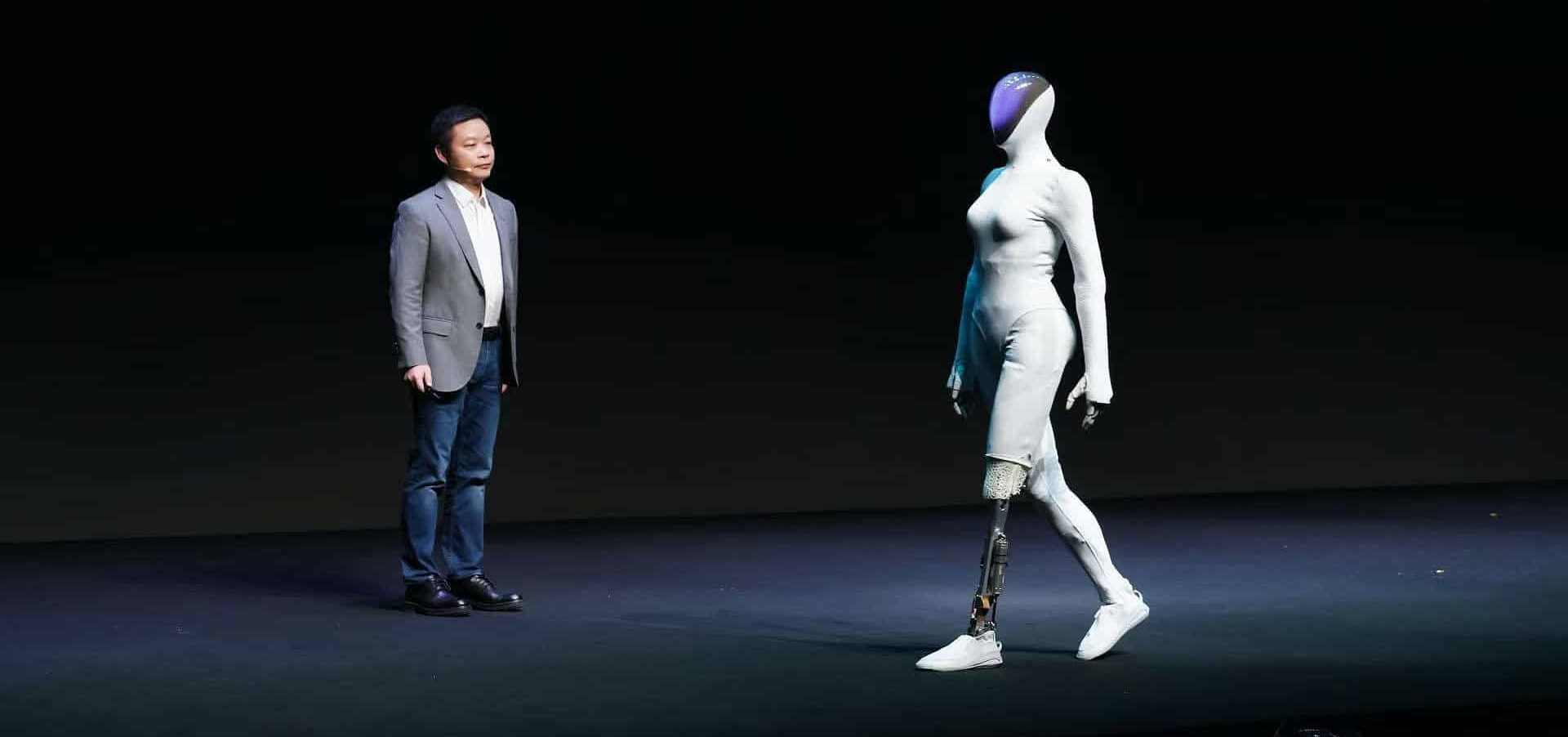
XPeng's robotics business closed more than $900 million at a post-money valuation above $6.3 billion, led by IDG Capital with Tencent and Alibaba backing it strategically. About $600 million came from outside investors, $200 million from XPeng itself and $100 million from executives, and the unit is being spun into a standalone subsidiary over 18 months with XPeng keeping roughly 82%. The pitch is manufacturing: IRON runs three in-house Turing chips for 2,250 TOPS and XPeng claims on-device autonomy rather than the off-camera teleoperation common in rival demos. Mass production is promised by end of 2026, which would put it ahead of Tesla's stalling Optimus.
Alibaba Ships Wan3.0, Doubles Video Length to 30 Seconds, and Quietly Closes the Weights
Wan3.0 generates up to 30 seconds of 1080p video in a single pass, double Wan2.7's limit, and accepts PDFs, slide decks, spreadsheets and web pages as inputs, so a marketing team can turn a deck straight into a video. Pricing undercuts Google's Veo 3.1 sharply, at $0.20 per second for 1080p against $0.40. The bigger shift is licensing: the Wan series built its reputation on open weights, and this release is closed and application-gated. It lands days after a $10.2 billion Hong Kong share placement, with Alibaba's quarterly net profit down 75% on AI capex.