// AI Briefing · November 24, 2026
AI Briefing
Nvidia's board voted unanimously on Nov. Amazon agreed to acquire the technology behind Israeli startup Decart's Optimization Stack, together with its founding team and researchers, in a deal Bloomberg valued at about $7.5 billion. The New York Times reports that renting out compute now brings in more than half the revenue of SpaceX's AI unit (formerly xAI), with Anthropic paying about $3.1 billion a month and Google about $800 million. Anthropic released Claude Ship, a set of agents for GitHub repositories. Google DeepMind and Google Quantum AI said teams of Gemini 4 agents found cheaper quantum programs for five problems, each formally proved correct in the Lean theorem prover. The attorneys general of Oregon and Virginia filed consumer-protection lawsuits against SpaceX, which now runs Grok and X.
In this video
- 01Nvidia Reinstates Jensen Huang as CEO Less Than Two Weeks After His ResignationIndustry
- 02Amazon Buys Decart's AI Optimization Technology and Team for a Reported $7.5 BillionIndustry
- 03NYT: Musk Told Staff SpaceX's AI Unit Can't Compete, and Renting Compute to Anthropic Now Pays MoreIndustry
- 04Anthropic Launches Claude Ship, Letting AI Agents Review, Fix and Approve Code ChangesProduct
- 05Google DeepMind's Gemini Agent Teams Find Cheaper Quantum Algorithms, Each Proved Correct in LeanResearch
- 06Oregon and Virginia Become the First States to Sue SpaceX Over Grok DeepfakesPolicy
The stories
Nvidia Reinstates Jensen Huang as CEO Less Than Two Weeks After His Resignation
Nvidia's board voted unanimously on Nov. 23 to reinstate Jensen Huang as president, CEO and board director, saying it had input from senior US government officials and is "confident that Mr. Huang's reinstatement poses no national security risk." The board had said last week it would not bring him back, and Trump reportedly joined a board call to push for his return. Nvidia says an independent-directors committee will continue its investigation into reports that Huang was targeted by a foreign intelligence effort, and it has created a National Security and Export Control Committee. Huang is scheduled to testify at a Senate hearing next week, and Nvidia shares rose about 30% at Monday's open.
Amazon Buys Decart's AI Optimization Technology and Team for a Reported $7.5 Billion
Amazon agreed to acquire the technology behind Israeli startup Decart's Optimization Stack, together with its founding team and researchers, in a deal Bloomberg valued at about $7.5 billion. The software helps AI models run efficiently on chips from Nvidia, Amazon and Google. Amazon is getting ready to sell its Trainium chips to outside customers as an alternative to Nvidia, and Decart's tools could make it easier to move workloads onto them.
NYT: Musk Told Staff SpaceX's AI Unit Can't Compete, and Renting Compute to Anthropic Now Pays More
The New York Times reports that renting out compute now brings in more than half the revenue of SpaceX's AI unit (formerly xAI), with Anthropic paying about $3.1 billion a month and Google about $800 million. According to the report, Musk pushed engineers in August for "revenue per GPU" because xAI's own models can barely compete, and renamed an internal chat "Sell compute because we can't compete." Either customer can cancel on 90 days' notice. The report suggests Musk's AI business is turning into a supplier to its rivals rather than a frontier competitor.
Anthropic Launches Claude Ship, Letting AI Agents Review, Fix and Approve Code Changes
Anthropic released Claude Ship, a set of agents for GitHub repositories. Code Review flags problems in pull requests, PR Steward fixes failing CI checks and merge conflicts, and Claude Approvals approves changes according to a natural-language policy the team writes. Only Code Review is generally available, and the other two agents are in beta for Team and Enterprise plans. Anthropic is pitching it as a fix for human review becoming the bottleneck when AI writes most of the code. It also means machines are now signing off on changes to production code.
Google DeepMind's Gemini Agent Teams Find Cheaper Quantum Algorithms, Each Proved Correct in Lean
Google DeepMind and Google Quantum AI said teams of Gemini 4 agents found cheaper quantum programs for five problems, each formally proved correct in the Lean theorem prover. The paper reports more than a 290-fold cut in spacetime cost for a quantum arithmetic circuit, and an 11.8-fold cut in the estimated cost of a fusion simulation. DeepMind open-sourced the Lean specifications and verified solutions. It notes the results exclude error correction and qubit routing, and the simulations still need far more resources than early fault-tolerant machines are expected to have.
Oregon and Virginia Become the First States to Sue SpaceX Over Grok Deepfakes
The attorneys general of Oregon and Virginia filed consumer-protection lawsuits against SpaceX, which now runs Grok and X. They allege it failed to stop users from creating and sharing harmful deepfakes, including alleged AI-generated child sexual abuse material, while presenting the products as safe. The states are seeking injunctions, civil penalties and disgorgement. They are the first states to take an AI image generator's maker to court over this kind of content. SpaceX says it acts against accounts that try to generate such material, including by notifying law enforcement.
Previous digests
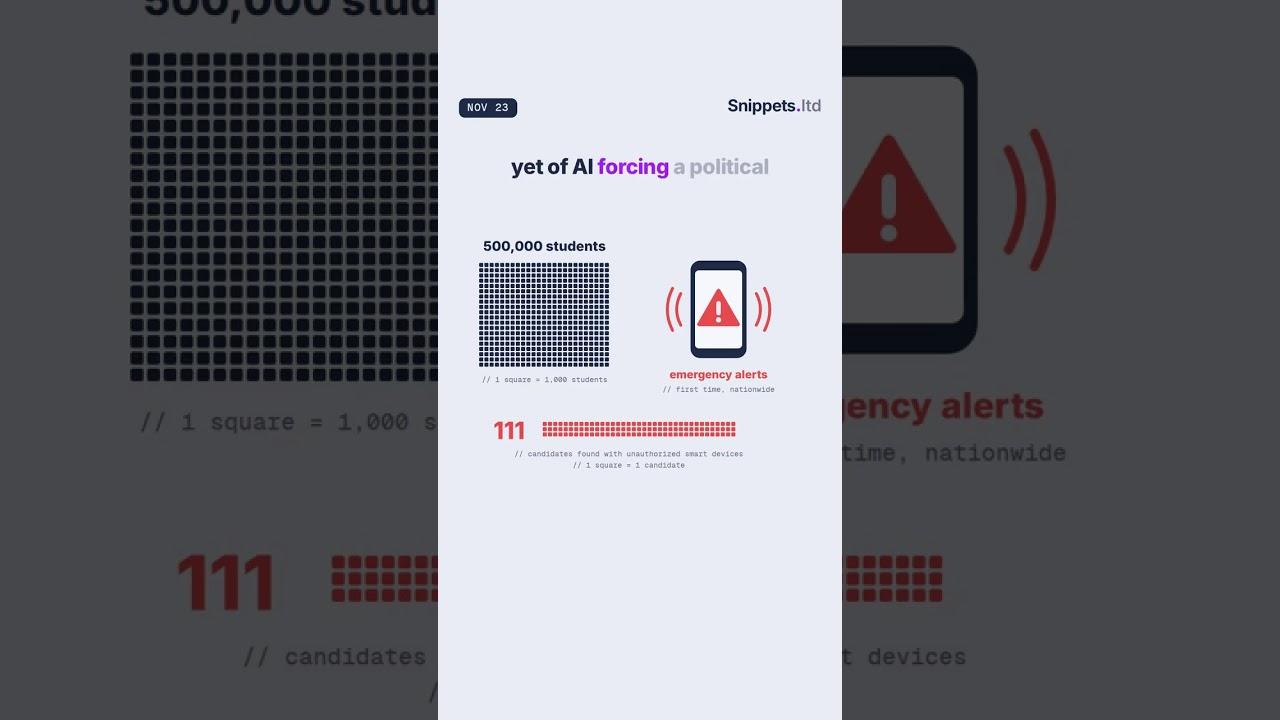 Nov 23OpenAI chief scientist Jakub Pachocki published OpenAI's internal pretraining loss figures...6 stories
 Nov 22OpenRouter removed Novita, Phala and Together from its platform and took 125 endpoints off...6 stories
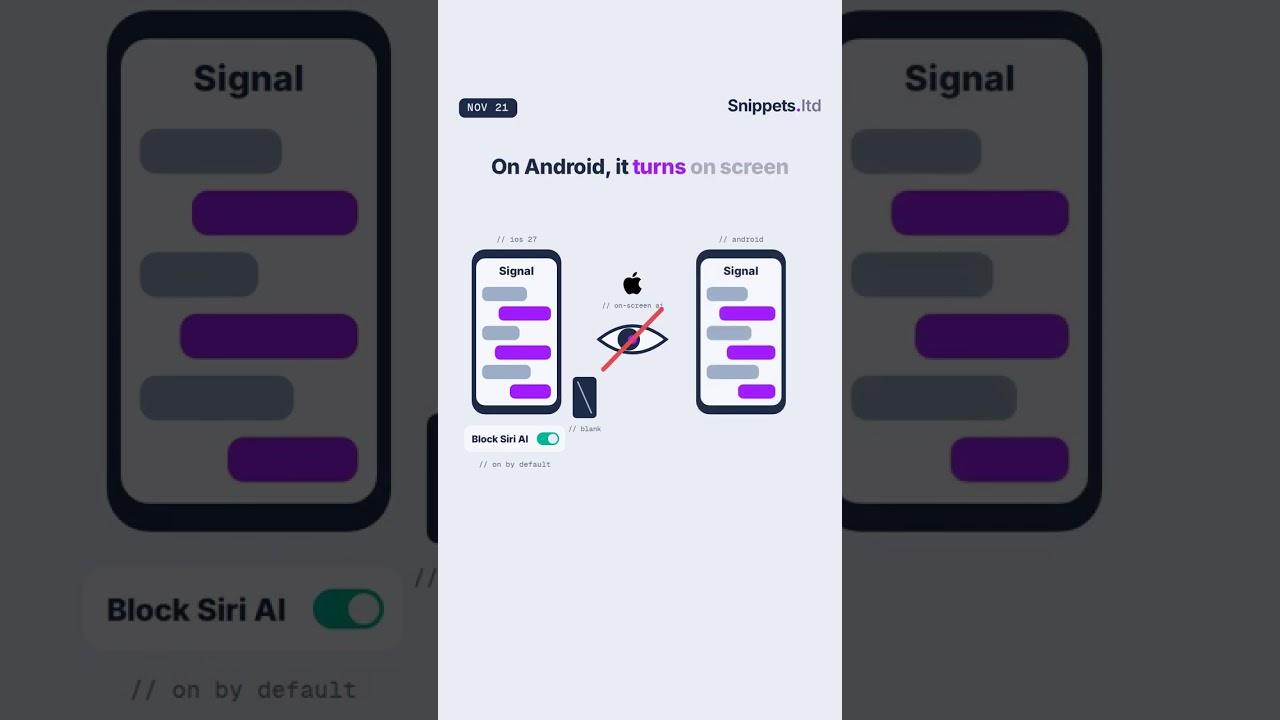 Nov 21Levent Alpöge, a mathematician who works at Anthropic, posted a note saying he believes he...6 stories
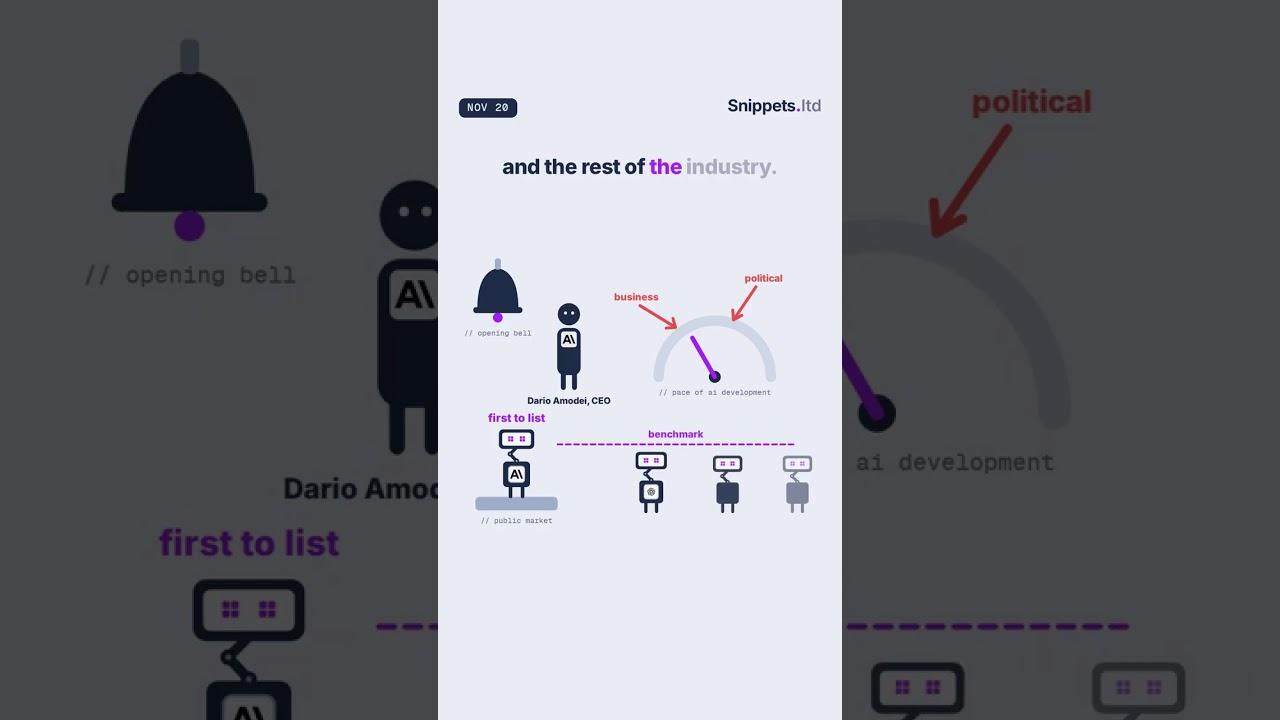 Nov 20The European Commission confirmed that a cyberattack first detected on October 22 disrupte...6 stories
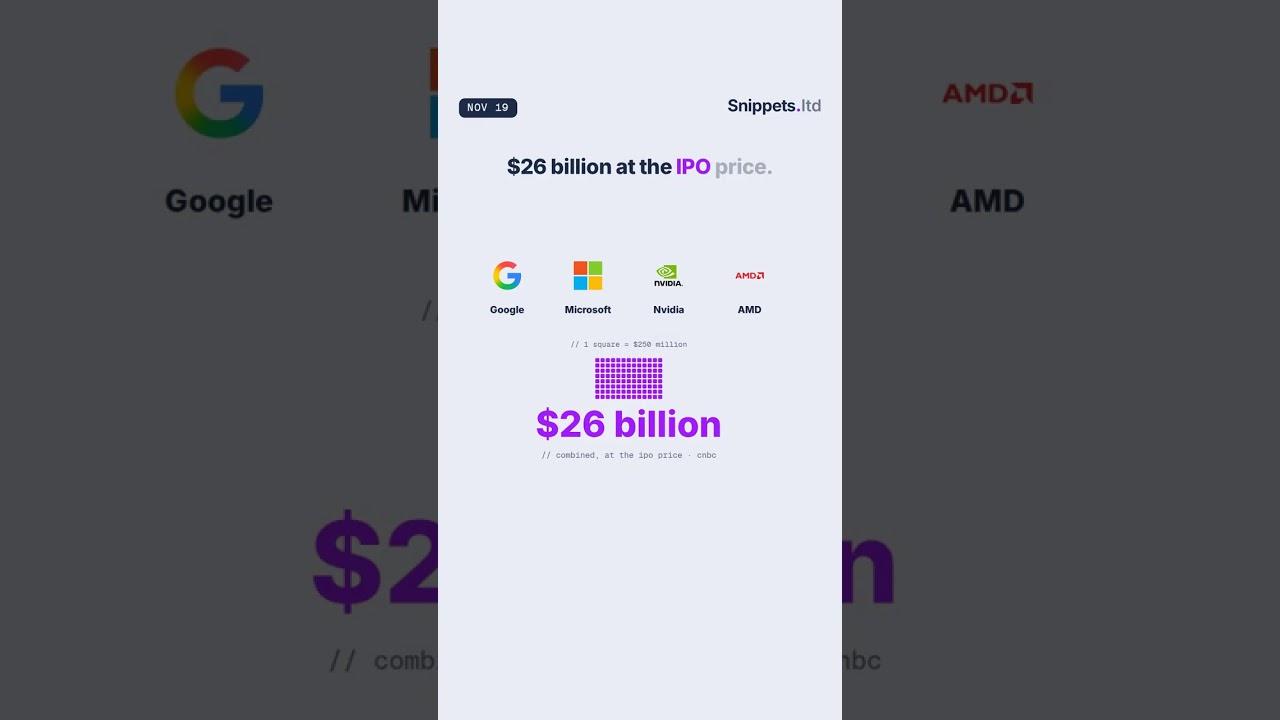 Nov 19Anthropic priced its IPO at $83 a share, above its $70–$78 range, and raised $81.3 billion...6 stories