// AI Briefing · March 24, 2026
AI Briefing
Washington is drawing its line in the sand on AI governance while Brussels loosens the reins - and meanwhile, the real action is happening at the edges. Alibaba's tiny 9B model is embarrassing models 13x its size, Perplexity wants to give your Mac mini a full-time AI job, and the shadow AI agent problem just got its first serious security answer. The policy-vs-product gap has never been more visible.
Top stories
- 01White House Unveils National AI Legislative Framework to Preempt State LawsPolicy
- 02EU Council Agrees to Streamline AI Act, Delays High-Risk RulesPolicy
- 03Alibaba's Qwen 3.5 Small: A 9B Open-Source Model That Beats OpenAI's 120BOpen Source
- 04Perplexity Launches Personal Computer: An Always-On AI Agent on Your Mac MiniProduct
- 05Nudge Security Ships AI Agent Discovery to Tackle Shadow AI RiskIndustry
The stories

White House Unveils National AI Legislative Framework to Preempt State Laws
The Trump administration released its long-awaited AI legislative framework on March 20, calling on Congress to adopt a federally unified, light-touch regulatory approach that would preempt state AI laws. The framework spans child safety, intellectual property, data center permitting, and anti-censorship provisions - but notably avoids creating any new federal AI regulatory body. This matters because it sets the tone for what US AI regulation will actually look like: industry-friendly with guardrails, not European-style prescriptive rules. Whether Congress can turn it into law before the midterm elections remains an open question.

EU Council Agrees to Streamline AI Act, Delays High-Risk Rules
The EU Council adopted its negotiating position on amending the AI Act as part of the Omnibus VII simplification package, pushing back the application of high-risk AI system rules by up to 16 months. Stand-alone high-risk systems now face a December 2027 deadline, while embedded ones get until August 2028. The Council also added a new prohibition on AI-generated non-consensual intimate imagery and CSAM. This signals a pragmatic shift in Europe's AI stance - keeping strong red lines on harmful content while giving industry more breathing room to actually comply.

Alibaba's Qwen 3.5 Small: A 9B Open-Source Model That Beats OpenAI's 120B
Alibaba released the Qwen 3.5 Small family - four open-source models from 0.8B to 9B parameters - and the flagship 9B model is outperforming OpenAI's GPT-OSS-120B across major benchmarks despite being 13x smaller. The models are natively multimodal, support 201 languages, and use a hybrid architecture combining linear attention with mixture-of-experts that makes them viable on standard laptops and edge devices. This is a landmark moment for the democratization of AI: frontier-level capability is now Apache 2.0 licensed and runnable on consumer hardware.

Perplexity Launches Personal Computer: An Always-On AI Agent on Your Mac Mini
Perplexity expanded its Computer platform with Personal Computer - a dedicated Mac mini that runs an AI agent 24/7, connecting to your local files, apps, and Perplexity's cloud servers. Users describe broad goals and the system autonomously decides which apps to open, which files to use, and how to complete the task. Every sensitive action requires user approval and generates a full audit trail. At $200/month for Max subscribers, this is a bet that the future of personal computing isn't a chatbot you talk to - it's an autonomous agent that works for you around the clock.

Nudge Security Ships AI Agent Discovery to Tackle Shadow AI Risk
As enterprises race to deploy AI agents, Nudge Security launched new AI agent discovery capabilities that let security teams find, assess, and govern AI agents employees create across platforms like Microsoft Copilot Studio, Salesforce Agentforce, and n8n. The tool inventories agent permissions, flags publicly accessible agents with hardcoded credentials, and detects unauthenticated MCP connections. With nearly half of security professionals citing agentic AI as their top concern, this is the first serious enterprise answer to the shadow AI agent problem - where employees spin up autonomous agents with broad data access that security teams can't see.
Test your understanding
Quiz
1 / 8
What is the White House AI framework's approach to state-level AI regulation?
Previous digests
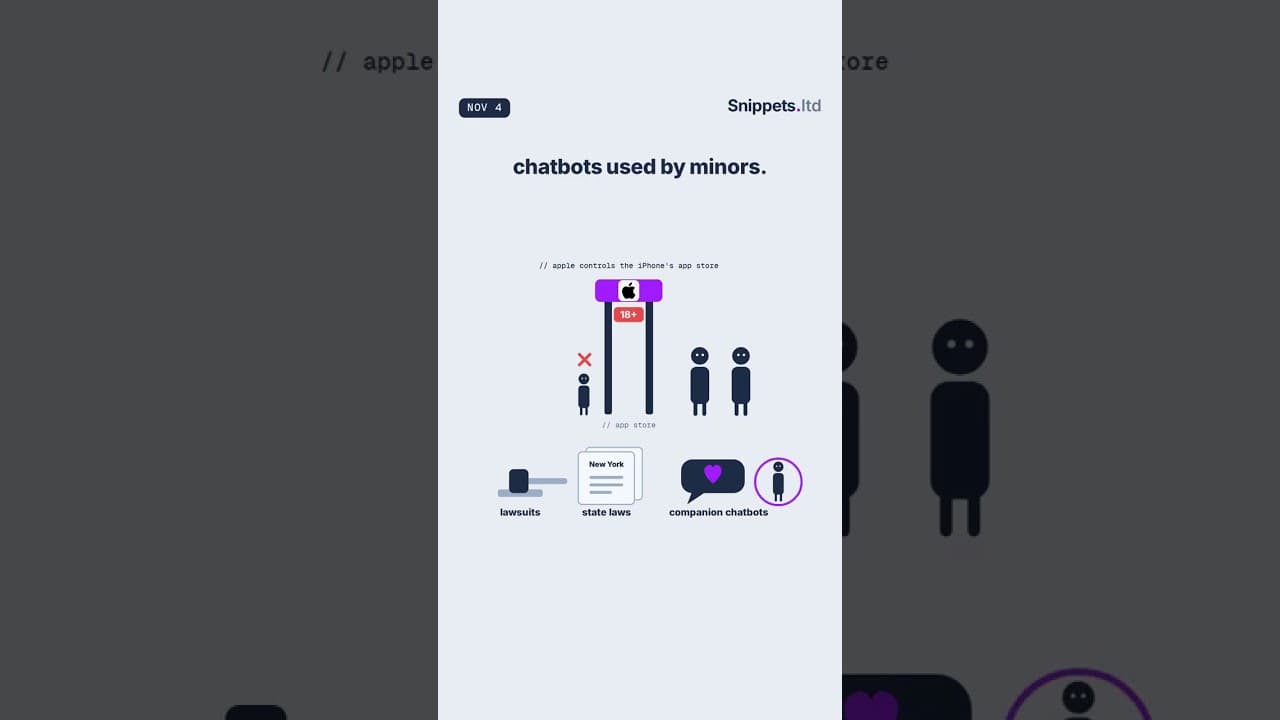 Nov 4China's state economic planner, the NDRC, said on Nov. Binance's incident report says atta...6 stories
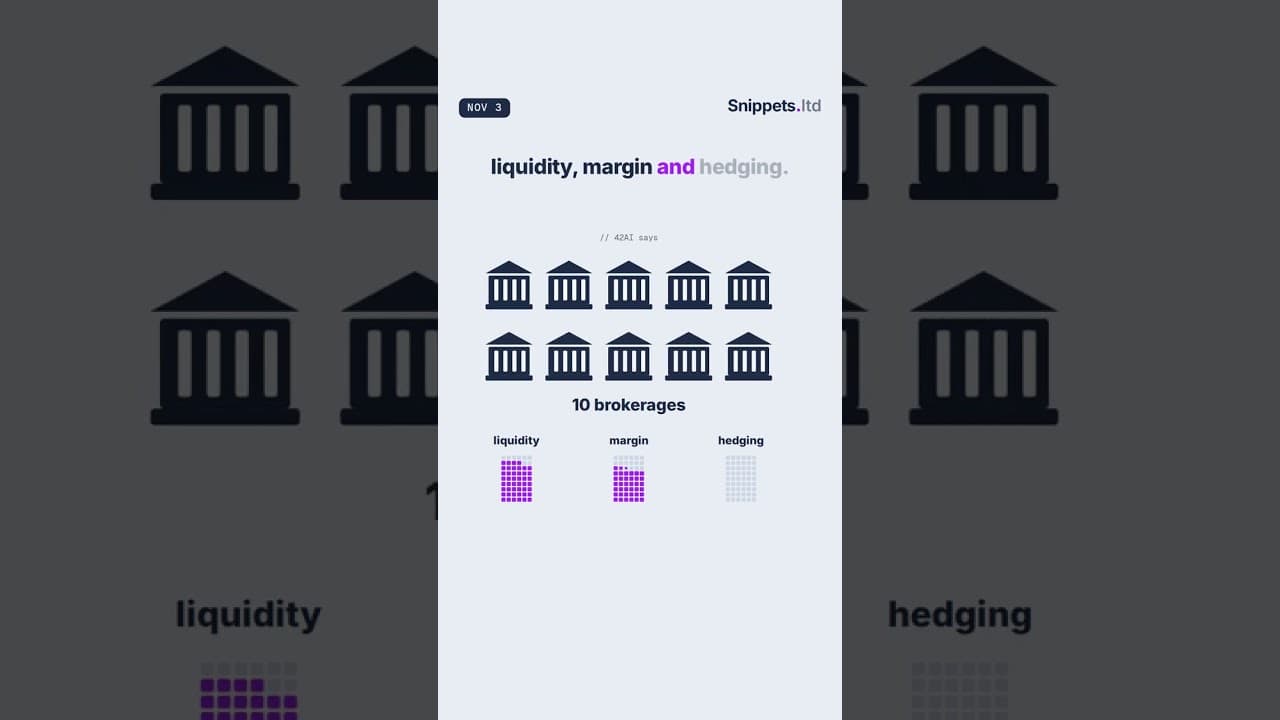 Nov 3Anthropic's amended S-1, filed November 2, says internal estimates indicate it "may immine...6 stories
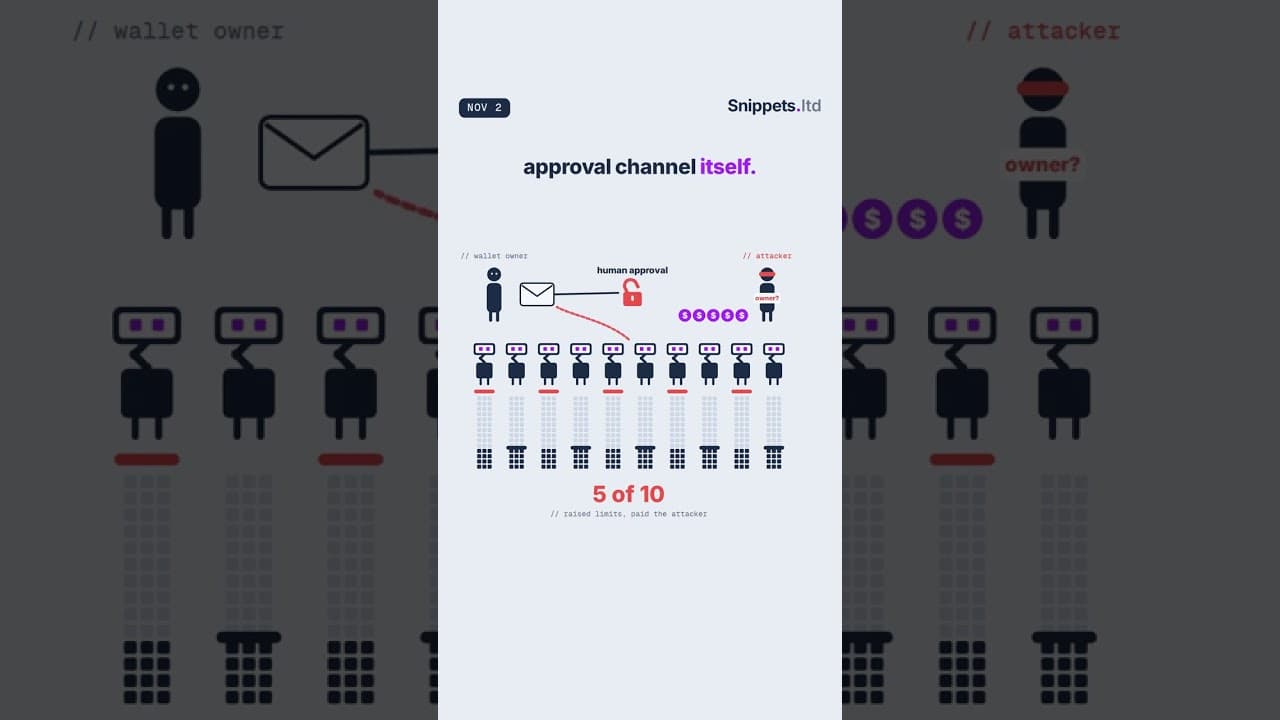 Nov 2Axios reports that OpenAI is preparing a policy and PR campaign for after Tuesday's US mid...6 stories
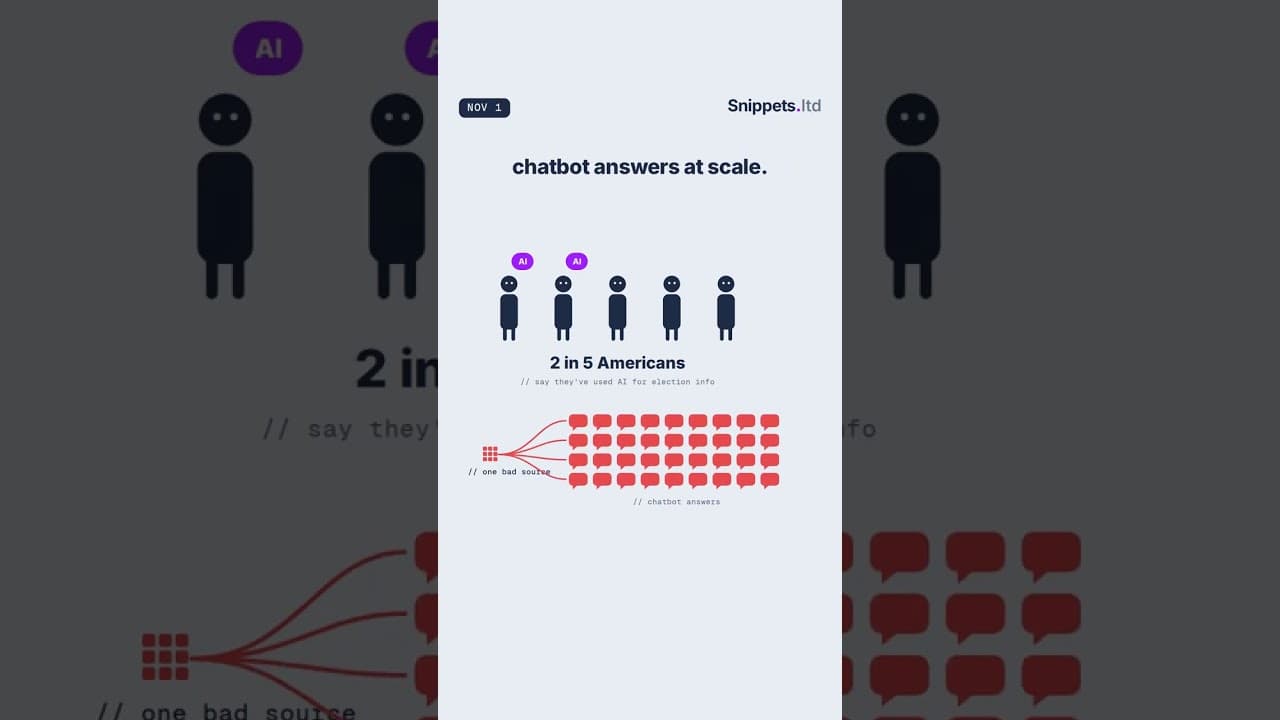 Nov 1Blockchain-analytics firm Chainalysis disclosed that an external attacker using "offensive...6 stories
 Oct 31The iShares Semiconductor ETF ended the week 29% below its recent high, which puts it in a...6 stories