// AI Briefing · June 11, 2026
AI Briefing
Today's theme is AI quietly threading itself into the plumbing of everything. Google reinvented how text gets generated with a diffusion model that paints words from noise, while OpenAI cut two deals in 48 hours that let its agents pull out your Visa card and ride into your company on Oracle's procurement rails. The unsettling counterweight: an MIT study showing that leaning on AI to spot fake news quietly erodes the very skill you thought you were outsourcing.
Top stories
- 01Google Releases DiffusionGemma, an Open Model That Generates Text From Noise 4x FasterOpen Source
- 02Visa and OpenAI Team Up to Let ChatGPT Agents Shop and Pay on Your BehalfIndustry
- 03MIT Study Finds Relying on AI to Spot Fake News Quietly Erodes the SkillResearch
- 04OpenAI Brings Its Frontier Models and Codex to Oracle Cloud CustomersIndustry
- 05Google Search Goes Fully AI, Replacing Blue Links With Gemini-Generated PagesProduct
The stories

Google Releases DiffusionGemma, an Open Model That Generates Text From Noise 4x Faster
Google DeepMind dropped DiffusionGemma, a 26B mixture-of-experts open-weights model (3.8B active) that generates 256-token blocks in parallel via text diffusion instead of one word at a time. It hits 1,000+ tokens/sec on an H100 and fits in 18GB of VRAM, with day-zero support in vLLM, Transformers, and MLX under Apache 2.0. It matters because it's the first serious open-weight bet that diffusion, not autoregression, could be the faster path for interactive local AI, with bidirectional attention enabling real-time self-correction.
Visa and OpenAI Team Up to Let ChatGPT Agents Shop and Pay on Your Behalf
Visa announced a partnership with OpenAI to build payment rails for agentic commerce, letting users connect a Visa card to ChatGPT so AI agents can browse, evaluate, and actually check out without manual approval each time. Spending runs inside user-defined guardrails like caps, merchant categories, and tokenized credentials with real-time fraud monitoring. It signals that the 'agents that buy things' era is moving from demo to infrastructure, with the two companies eyeing business invoices and even coding agents purchasing their own compute and APIs.

MIT Study Finds Relying on AI to Spot Fake News Quietly Erodes the Skill
An MIT Media Lab study tracked 67 people over four weeks judging the credibility of news headline-image pairs. With an AI chatbot helping, participants were 21% more accurate, but once the AI was removed their unassisted performance fell 15.3 points below where they started, ending up worse than before the experiment began. The researchers frame it as the 'AI dependency paradox' and a case of cognitive deskilling, echoing a 2025 finding that doctors got worse at spotting cancer after leaning on AI. How the AI interacted (as 'coach versus crutch') determined whether independent skill survived.
OpenAI Brings Its Frontier Models and Codex to Oracle Cloud Customers
OpenAI announced that Oracle Cloud Infrastructure customers will be able to apply eligible Oracle Universal Credits toward OpenAI's frontier models and the Codex coding agent, with availability expected in the coming weeks. The pitch is procurement friction: enterprises want to buy AI through the governance and billing frameworks they already trust rather than standing up new vendor relationships. Coming a day after the Visa deal, it shows OpenAI aggressively meeting enterprises where their budgets already live, deepening a relationship anchored by the multi-hundred-billion-dollar Stargate cloud commitment.
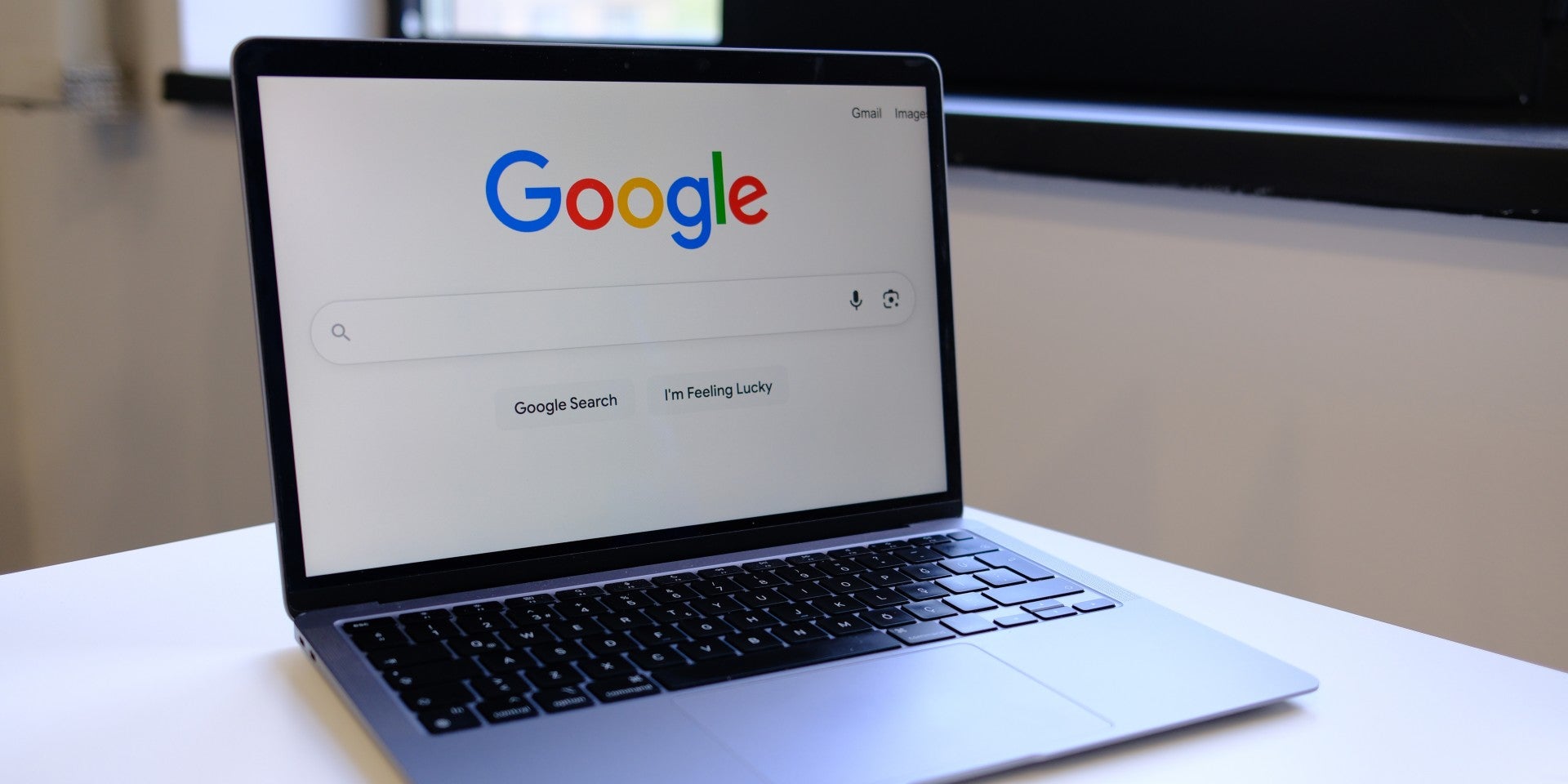
Google Search Goes Fully AI, Replacing Blue Links With Gemini-Generated Pages
Google's search bar is now powered entirely by its Gemini 3.5 Flash model, returning custom AI-summarized pages and follow-up conversations instead of the classic stack of blue links, a change Google calls its biggest Search update in over 25 years. The redesigned interface accepts text, images, video, files, and open Chrome tabs, and adds 'information agents' that monitor the web around the clock. Publishers are alarmed: studies cited show 34-46% drops in click-throughs when AI summaries appear, threatening the traffic economy the open web was built on.
Test your understanding
Quiz
1 / 8
What makes DiffusionGemma's generation approach different from a standard LLM like Gemma 4?
Previous digests
 Oct 21OpenAI posted a new misalignment report on October 20 describing two internal coding tasks...4 stories
 Oct 20A Reuters exclusive reports that a Chinese-speaking hacker gave AI agents an instruction o...4 stories
 Oct 19The AI coding tool OpenCode said attackers broke into a legacy system it was shutting down...4 stories
 Oct 18OpenAI added four new cases of misaligned agent behavior to its public incident page, brin...4 stories
 Oct 17Meta's updated commercial terms, which take effect October 30, let it use crawlers to coll...4 stories