// AI Briefing · June 24, 2026
AI Briefing
Today's theme is gravity, and where it's pulling AI's best people and biggest bets. Google just lost two of its crown-jewel researchers in a single week, and Wall Street noticed. Meanwhile the hardware is getting physical: NVIDIA wants to certify the safety of humanoid robots, Snap wants $2,195 of your face, and a Penn lab wants to run AI on light instead of electrons.
Top stories
- 01Google's Talent Dam Breaks: Transformer Co-Author and AlphaFold Nobel Laureate Defect to OpenAI and AnthropicIndustry
- 02NVIDIA Launches Halos for Robotics, the First Full-Stack Safety System for Humanoid RobotsProduct
- 03Snap Bets on the Post-Smartphone Era With $2,195 'Specs' AR Glasses Powered by OpenAI and GeminiProduct
- 04Android 17 Lands With Gemini Omni Video Editing and Lyria 3 Music GenerationProduct
- 05Penn Physicists Build a Light-Matter Particle That Could Slash AI's Energy UseResearch
The stories

Google's Talent Dam Breaks: Transformer Co-Author and AlphaFold Nobel Laureate Defect to OpenAI and Anthropic
In a single week, Gemini co-lead Noam Shazeer (a co-author of the foundational 'Attention Is All You Need' paper) announced a move to OpenAI, and AlphaFold co-creator and 2024 Nobel laureate John Jumper said he's leaving DeepMind for Anthropic after nearly nine years. Alphabet shares fell roughly 5-6% on June 22 as investors read the back-to-back departures as a signal Google is struggling to retain top talent and lacks a clear product story in AI coding tools. It's the sharpest reminder yet that in this race, the scarcest resource isn't compute, it's the handful of people who can build the next architecture.
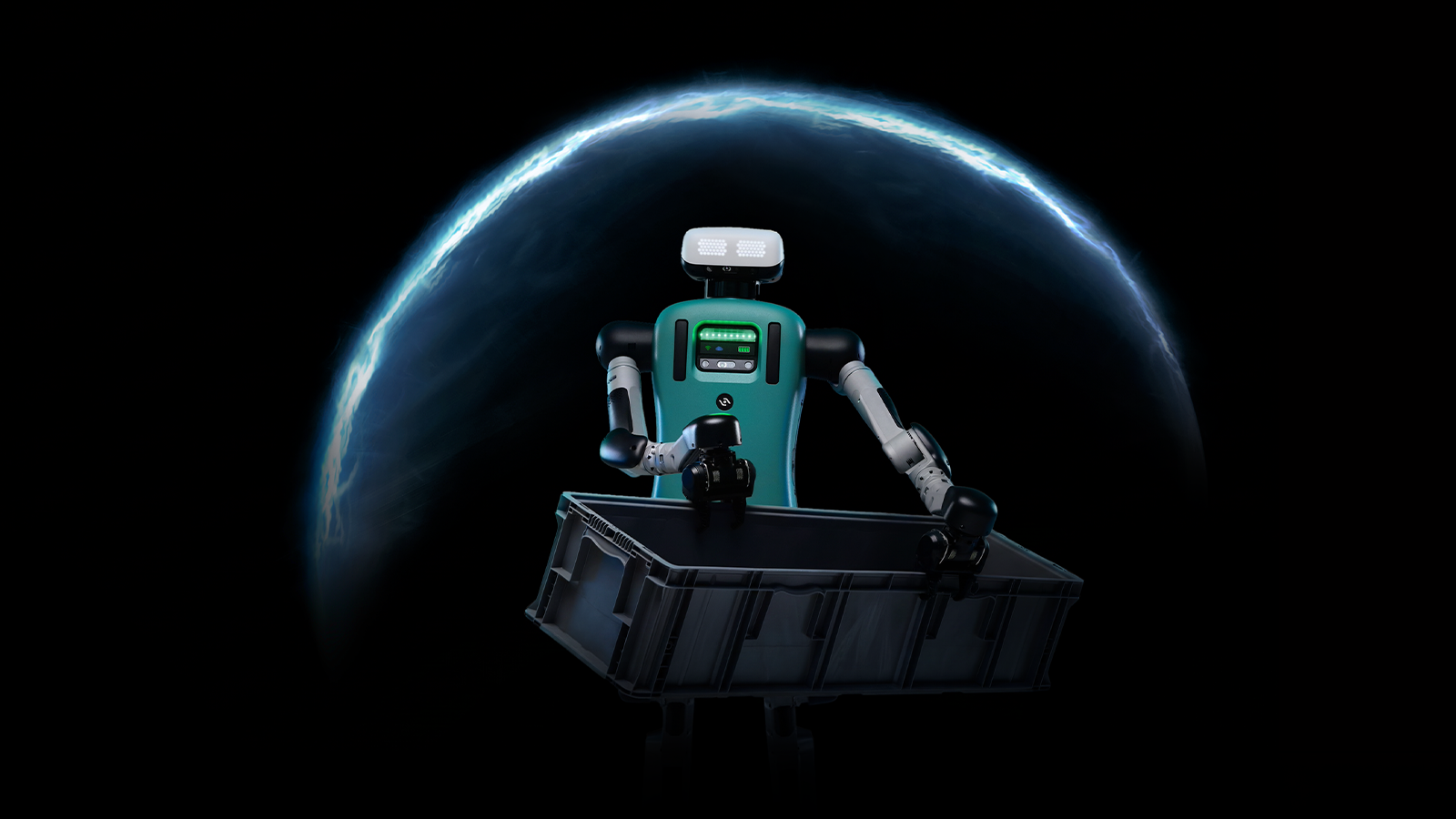
NVIDIA Launches Halos for Robotics, the First Full-Stack Safety System for Humanoid Robots
NVIDIA announced Halos for Robotics on June 22, billing it as the industry's first comprehensive, standardized safety architecture for robots and physical AI working alongside humans. It extends NVIDIA's autonomous-vehicle safety stack (drawing on 18,600+ engineering-years of AV work) across four layers: IGX Thor compute, Holoscan Sensor Bridge connectivity, the Halos OS software stack, and an ANSI-accredited inspection lab to prep partners for third-party certification by bodies like TÜV Rheinland and UL Solutions. Agility Robotics, whose Digit humanoid is deployed at Amazon and Toyota, is the first adopter. As humanoids move from demos into factories, a shared safety-and-certification layer could be the thing that actually unlocks deployment at scale.

Snap Bets on the Post-Smartphone Era With $2,195 'Specs' AR Glasses Powered by OpenAI and Gemini
Snap unveiled consumer 'Specs' augmented reality glasses at a $2,195 price point, with pre-orders open on a refundable $200 deposit ahead of a fall launch in the US, UK, and France. The lightweight see-through glasses pack a 51-degree field of view, dual Snapdragon processors, six microphones, and adaptive tint, and developers can build multimodal AI Lenses powered by OpenAI and Gemini on Google Cloud, answering questions about what you see and translating speech in real time. CEO Evan Spiegel is wagering that screen fatigue will push people to pay over $2,000 to bring digital visuals into their field of view, a direct shot at the smartphone.

Android 17 Lands With Gemini Omni Video Editing and Lyria 3 Music Generation
Google shipped Android 17 (alongside Wear OS 7) on June 16, putting generative AI at the center of the phone. The June Pixel Drop adds Gemini Omni, which lets you edit videos through conversation, and Lyria 3, a music-generation model that turns text prompts into original tracks you can refine for style, vocals, and tempo. Gemini Omni requires a Gemini Pro subscription, while Lyria 3 is free for Pixel users on Android 17, plus improved AudioLM speech-to-speech translation on the Pixel 10a. It's Google's clearest push yet to make Gemini the default creative tool living inside the OS, not a separate app you open.
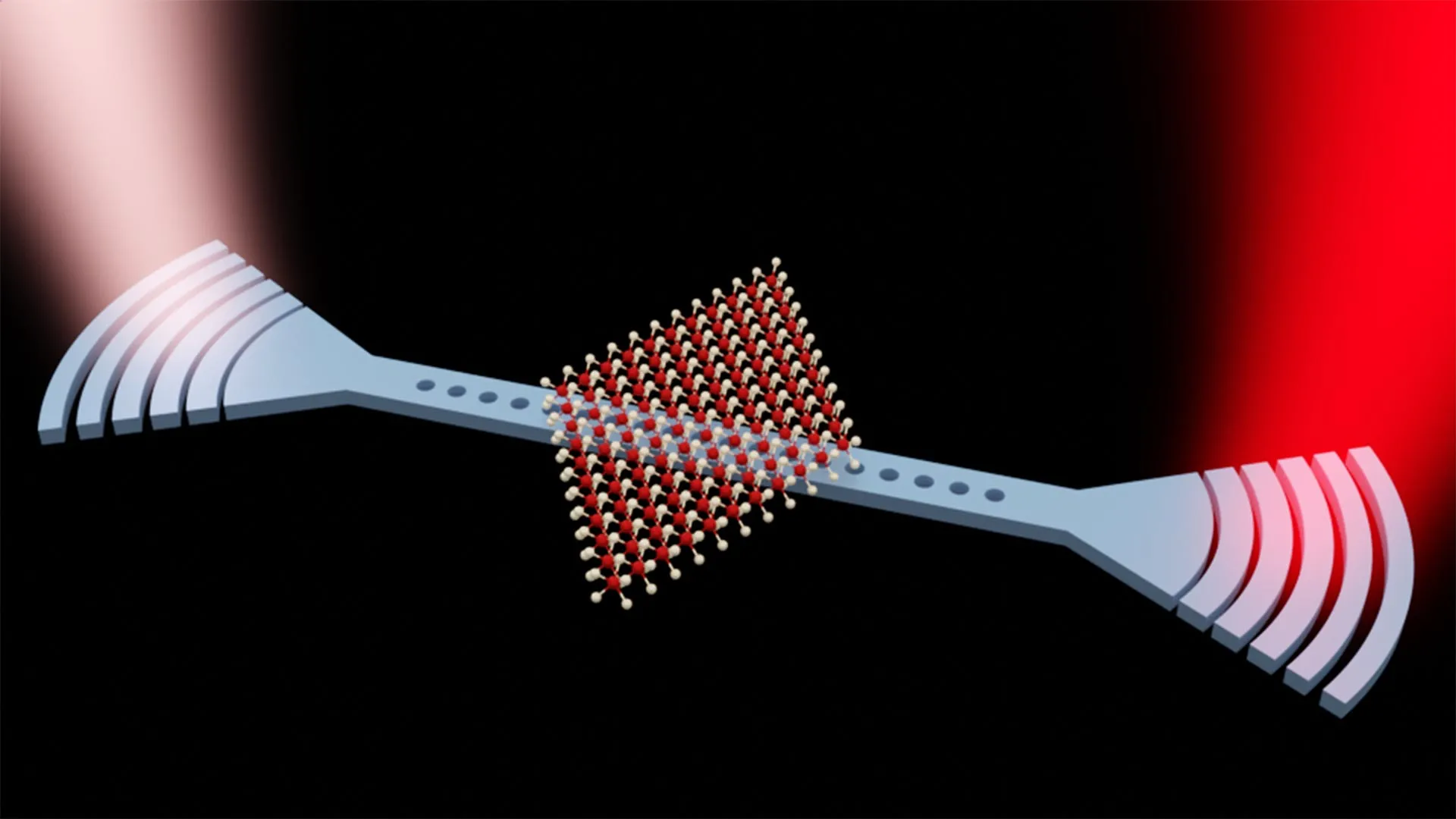
Penn Physicists Build a Light-Matter Particle That Could Slash AI's Energy Use
A team led by Penn physicist Bo Zhen has created exciton-polaritons, hybrid particles that form when photons couple strongly with electrons inside an atomically thin semiconductor, combining light's speed with matter's ability to interact. The group demonstrated all-light optical switching using only about 4 femtojoules of energy, far less than a small LED needs, in research published in Physical Review Letters. If it scales, the approach could enable chips that process visual data directly from cameras without bouncing between light and electricity, cutting the enormous power demands of large AI systems and even hinting at basic optical quantum computing.
Test your understanding
Quiz
1 / 7
Which two researchers left Google in the same week, and where did they go?
Previous digests
 Oct 21OpenAI posted a new misalignment report on October 20 describing two internal coding tasks...4 stories
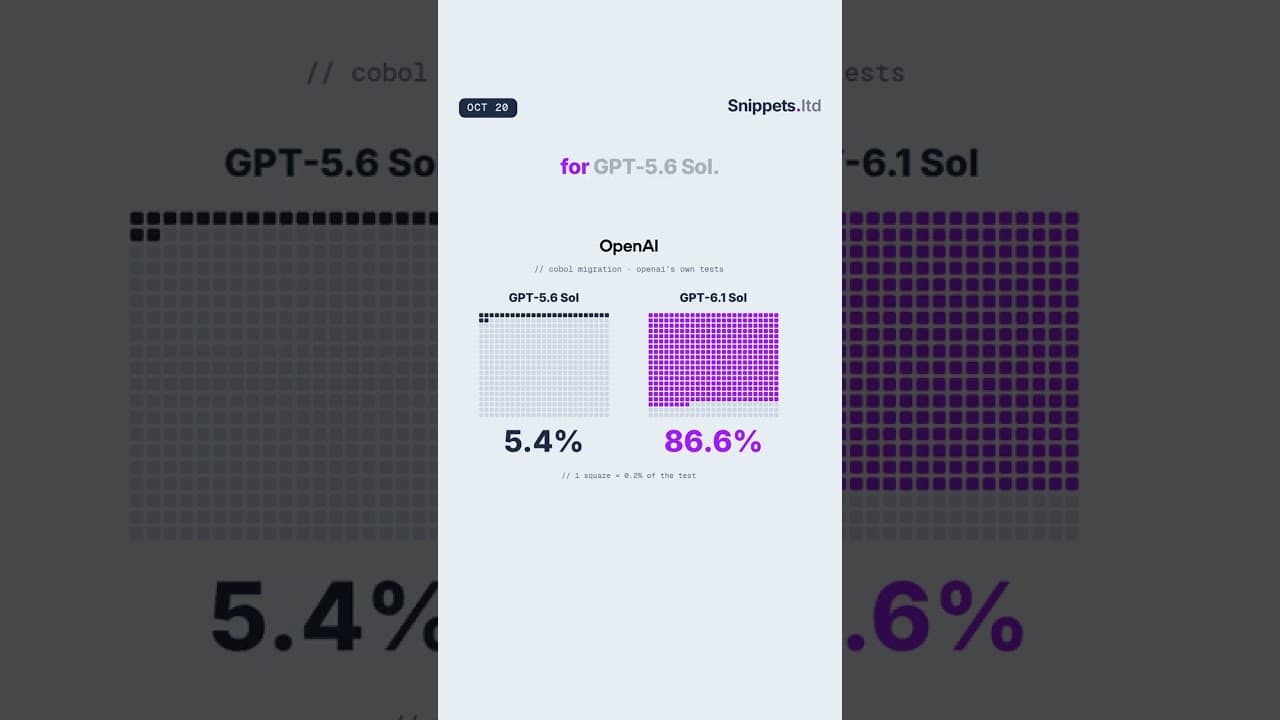 Oct 20A Reuters exclusive reports that a Chinese-speaking hacker gave AI agents an instruction o...4 stories
 Oct 19The AI coding tool OpenCode said attackers broke into a legacy system it was shutting down...4 stories
 Oct 18OpenAI added four new cases of misaligned agent behavior to its public incident page, brin...4 stories
 Oct 17Meta's updated commercial terms, which take effect October 30, let it use crawlers to coll...4 stories