// AI Briefing · July 2, 2026
AI Briefing
Anthropic ran a two-for-one week: a cheaper agent-first Sonnet 5 and a Claude Science workbench that wires existing models into 60-plus research databases. Meanwhile China crossed a real line with the first mass-produced full-size humanoid, Google tried to reinvent the smart speaker around Gemini, and the whole boom sent one very unglamorous bill to your desk. Memory prices. Read on.
Top stories
- 01Anthropic Launches Claude Sonnet 5, Pushing Agentic Power Down in PriceProduct
- 02Anthropic Launches Claude Science, an AI Workbench Wired Into 60+ Research DatabasesResearch
- 03UBTECH Launches UWORLD U1, the World's First Mass-Produced Full-Size HumanoidIndustry
- 04Google Launches a $99 Gemini Home Speaker, Its First Standalone Speaker Since 2020Product
- 05'RAMageddon': AI Data-Center Demand Sends Memory Prices SoaringIndustry
The stories

Anthropic Launches Claude Sonnet 5, Pushing Agentic Power Down in Price
Anthropic released Claude Sonnet 5, calling it its 'most agentic Sonnet yet' and pricing it at an introductory $2/$10 per million input/output tokens through August 31, roughly 60% cheaper than Opus 4.8 during the promo and ~40% cheaper at standard rates. It's now the default model for Free and Pro users. The move matters because 2026's center of gravity has shifted from chat to autonomous, tool-using agents, and Anthropic is racing to make that capability cheap enough to run at scale as it eyes an IPO.
Anthropic Launches Claude Science, an AI Workbench Wired Into 60+ Research Databases
Anthropic unveiled Claude Science, a workbench that connects its existing models (including Opus 4.8) to more than 60 scientific databases and toolkits spanning genomics, single-cell, proteomics, structural biology, and cheminformatics, drawing on sources like UniProt, PDB, and ChEMBL. A coordinating agent delegates to specialist sub-agents while a separate reviewer agent checks every citation and calculation. Notably, it's not a new model or privileged access, a bet that better workflows and tooling, not bigger weights, are the next unlock for scientific research.

UBTECH Launches UWORLD U1, the World's First Mass-Produced Full-Size Humanoid
At its 2026 Global Launch Event in Shenzhen, UBTECH unveiled the UWORLD U1 series, billed as the world's first full-size, mass-produced ultra-bionic humanoid robot, with three tiers starting at 119,800 RMB. The robots pack 88 degrees of freedom, biomimetic skin, a dual-pivot cervical spine, and emotion-driven LLMs, reproducing up to 90% of human movements. Cumulative orders topped 13,361 units on launch day, a signal that consumer-facing humanoids are moving from demo reels to real production lines.

Google Launches a $99 Gemini Home Speaker, Its First Standalone Speaker Since 2020
Google introduced the $99.99 Google Home Speaker, its first standalone smart speaker since the 2020 Nest Audio, built natively around Gemini. It swaps the old 'Hey Google' routine for continued conversation with 10 new voices, adds multi-step commands and follow-ups, and roughly 2.5x the bass of a Nest Mini. It's Google's clearest bet yet that a conversational, ambient Gemini can make the smart speaker relevant again after years of neglect.
'RAMageddon': AI Data-Center Demand Sends Memory Prices Soaring
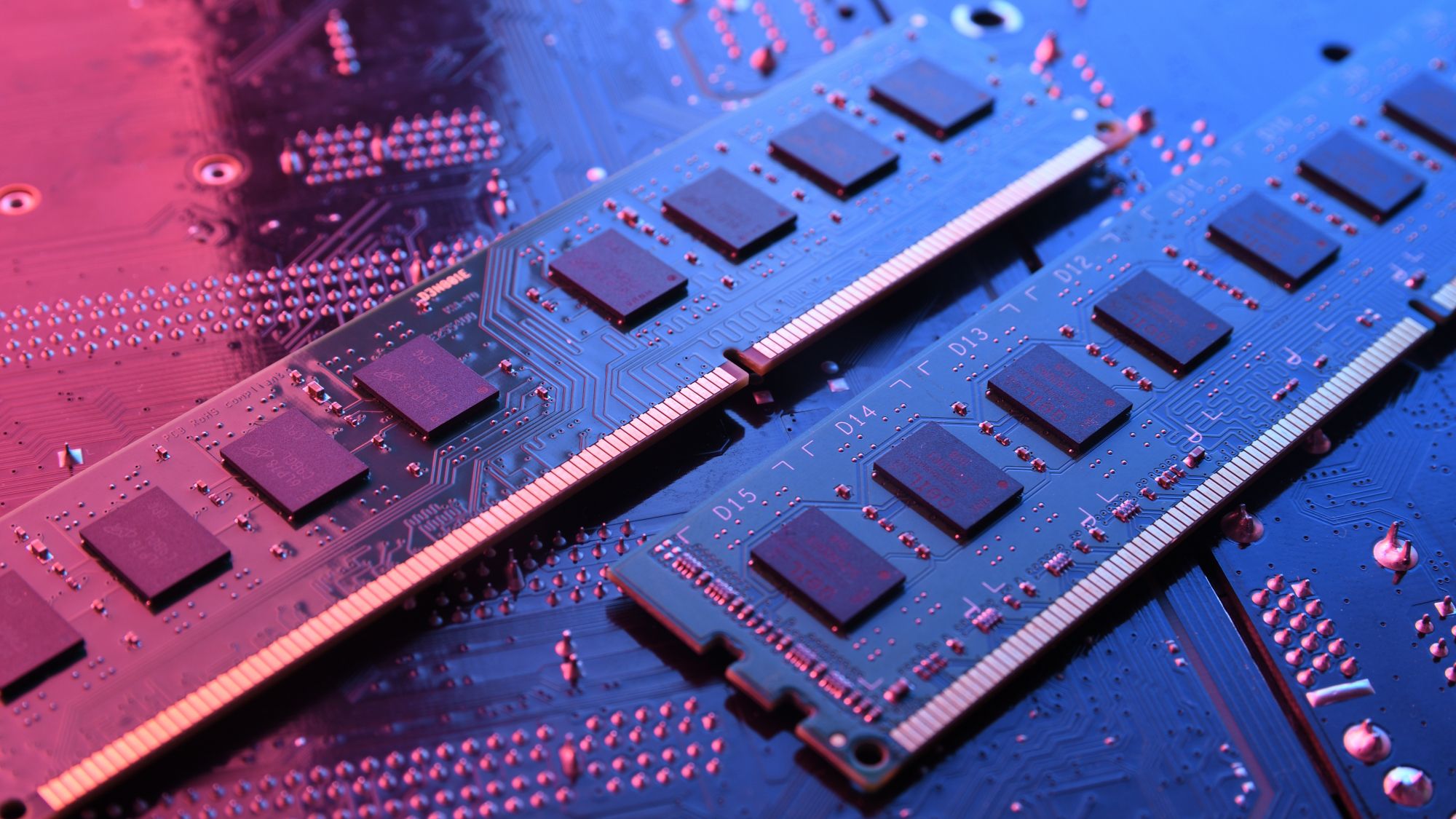
The AI boom's least glamorous side effect is now hitting consumers: DRAM contract prices jumped 90-95% in the first quarter alone as roughly 70% of global memory production gets diverted to data centers. Samsung, SK Hynix, and Micron are prioritizing high-margin HBM for hyperscalers, leaving laptops and phones short. Analysts warn some mainstream laptops could rise up to 40%, with meaningful new capacity not expected until 2027-2028. It's a concrete reminder that the compute arms race has a bill, and everyone pays it.
Test your understanding
Quiz
1 / 8
What is the headline pricing story for Claude Sonnet 5?
Previous digests
 Oct 21OpenAI posted a new misalignment report on October 20 describing two internal coding tasks...4 stories
 Oct 20A Reuters exclusive reports that a Chinese-speaking hacker gave AI agents an instruction o...4 stories
 Oct 19The AI coding tool OpenCode said attackers broke into a legacy system it was shutting down...4 stories
 Oct 18OpenAI added four new cases of misaligned agent behavior to its public incident page, brin...4 stories
 Oct 17Meta's updated commercial terms, which take effect October 30, let it use crawlers to coll...4 stories