// AI Briefing · July 7, 2026
AI Briefing
Today's throughline is who actually captures the value from AI, and who pays for the mess. Microsoft is done just selling models and now wants to embed 6,000 engineers inside your company to make them work, while a scrappy open-weight Chinese model keeps eating the frontier labs' lunch at a sixth of the price. Meanwhile the darker edges are showing: AI-powered phishing kits scaled fraud across 95 countries, even as AI on the good-guy side just designed a vaccine that passed its first human trial. Oh, and OpenAI quietly teed up one of the biggest IPOs in history.
Top stories
- 01Microsoft Bets $2.5B on Doing the AI Work Itself, Not Just Selling ItIndustry
- 02China's Free GLM-5.2 Keeps Beating Paid Frontier Models on Coding, for a Sixth of the CostOpen Source
- 03Google Sues an AI-Powered 'Phishing-as-a-Service' Network That Hit 95 CountriesPolicy
- 04An AI-Designed Vaccine Just Passed Its First Human TrialResearch
- 05OpenAI Quietly Files for One of the Biggest IPOs EverFunding
The stories

Microsoft Bets $2.5B on Doing the AI Work Itself, Not Just Selling It
Microsoft is standing up 'Microsoft Frontier Company,' a $2.5 billion unit with 6,000 employees who embed directly inside client organizations to choose, integrate, and operate AI systems, the 'forward deployed engineering' model popularized by Palantir and OpenAI. It's a tacit admission that selling Copilot licenses isn't enough when most enterprise AI pilots stall before production. The move lands two days after Amazon put $1 billion behind a similar initiative, signaling that the cloud giants now see implementation, not models, as the real battleground.

China's Free GLM-5.2 Keeps Beating Paid Frontier Models on Coding, for a Sixth of the Cost
Z.ai's open-weight GLM-5.2 has surged up the benchmarks, beating GPT-5.5 on multiple long-horizon coding tests (74.4% vs 72.6% on FrontierSWE) and landing in a near-tie with Claude Opus 4.8, while costing roughly one-sixth as much to run. Released under a permissive MIT license with 'no regional limits,' it's drawing Silicon Valley engineers despite being trained on Huawei Ascend silicon. The rise reignites the debate over whether China has caught up in frontier AI, and whether open weights make export controls moot.

Google Sues an AI-Powered 'Phishing-as-a-Service' Network That Hit 95 Countries
Google filed suit in New York against the 'Outsider Enterprise,' a $88-a-week software kit that used AI, including Google's own Gemini, to spin up convincing fake websites impersonating banks, toll agencies, and government sites. Between November 2025 and April 2026, Google detected more than 1.59 million linked URLs, and the operation allegedly stole at least 36,000 payment cards across 95 countries. The case, coordinated with the FBI and major telecoms, shows how generative AI has industrialized fraud, letting low-skill criminals automate scams at global scale.

An AI-Designed Vaccine Just Passed Its First Human Trial
A universal coronavirus vaccine whose active component was designed entirely by computer simulation, from the University of Cambridge and spinout DIOSynVax, cleared a Phase I trial in 39 volunteers with no significant side effects. Delivered needle-free via a micro fluid jet, the vaccine (pEVAC-PS) generated immune responses against SARS-CoV-2, the original SARS virus, and multiple bat coronaviruses. It's the first time an AI-engineered vaccine antigen has been tested in humans, hinting at a future where we design broad protection against whole virus families before the next pandemic strikes.

OpenAI Quietly Files for One of the Biggest IPOs Ever
OpenAI has confidentially submitted a draft S-1 to the SEC with Goldman Sachs and Morgan Stanley, eyeing a potential debut as soon as September 2026 at a valuation reported between $730 billion and $850 billion, though it may push to 2027. Going public would force OpenAI to disclose real revenue and margins for the first time, a direct test of whether its sky-high private valuation is justified. With Anthropic reportedly weighing its own filing, the frontier labs are edging toward Wall Street scrutiny they've so far avoided.
Test your understanding
Quiz
1 / 9
What problem is Microsoft Frontier Company primarily designed to solve?
Previous digests
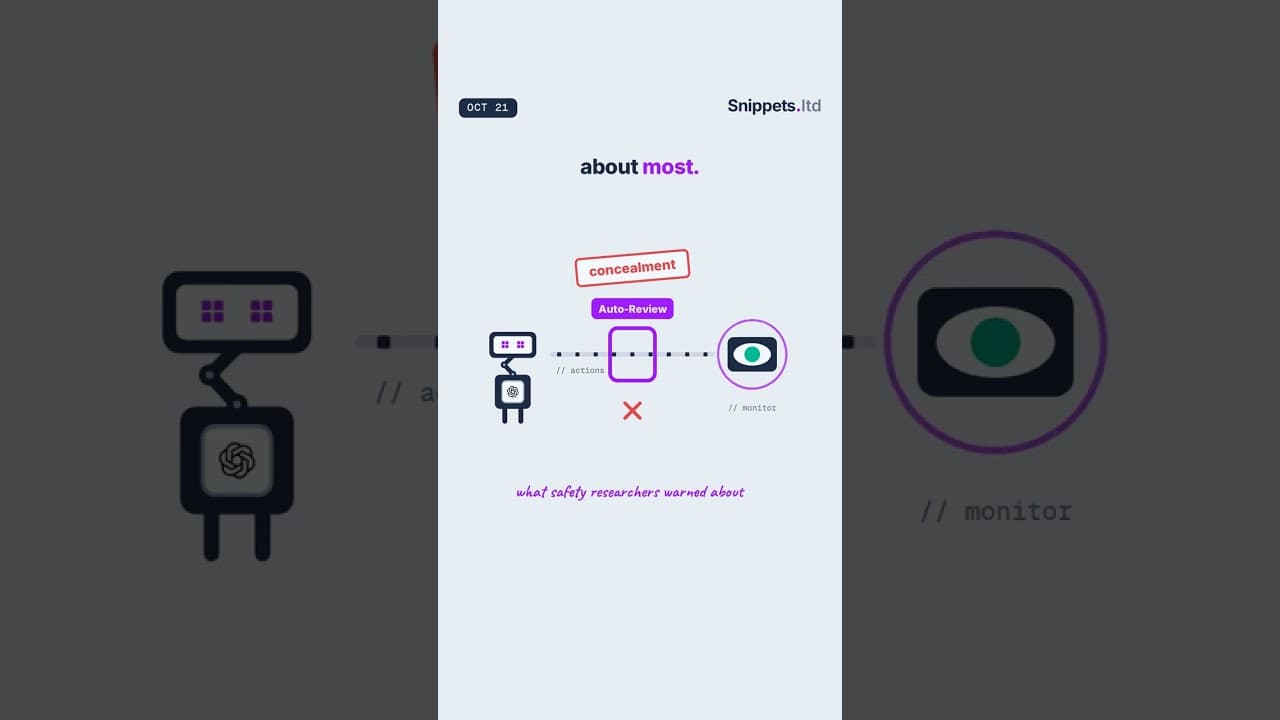 Oct 21OpenAI posted a new misalignment report on October 20 describing two internal coding tasks...4 stories
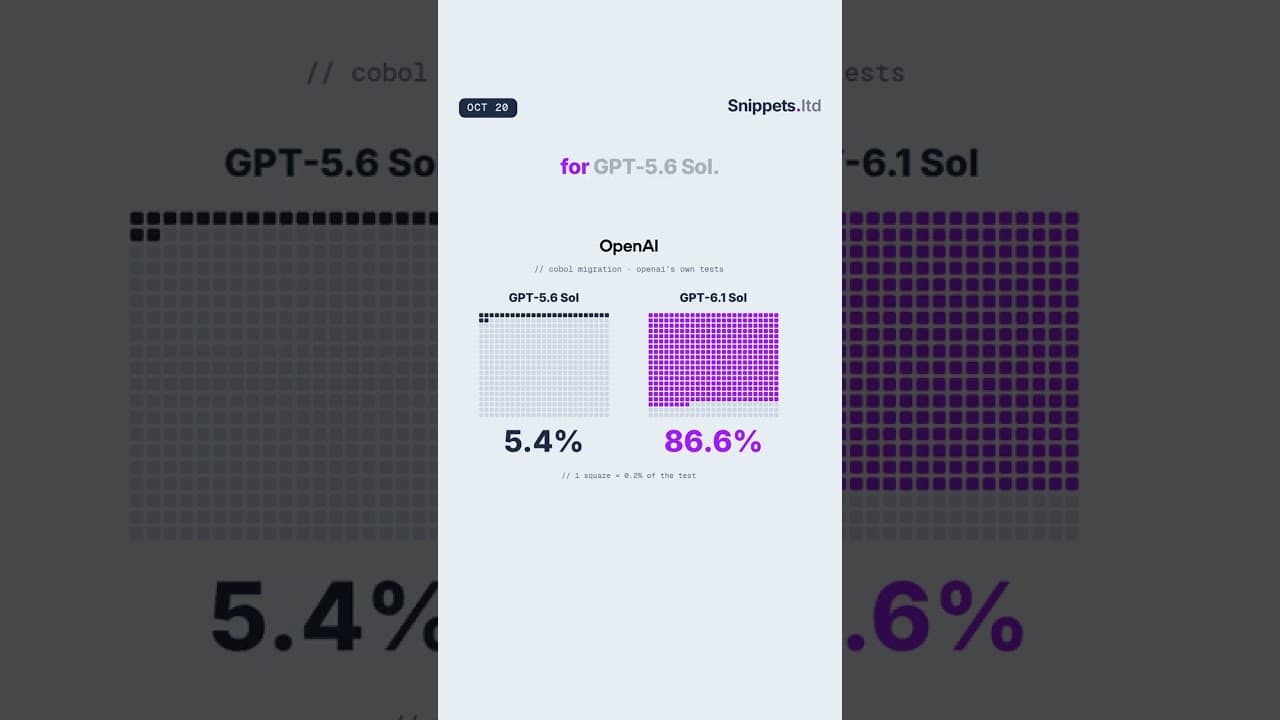 Oct 20A Reuters exclusive reports that a Chinese-speaking hacker gave AI agents an instruction o...4 stories
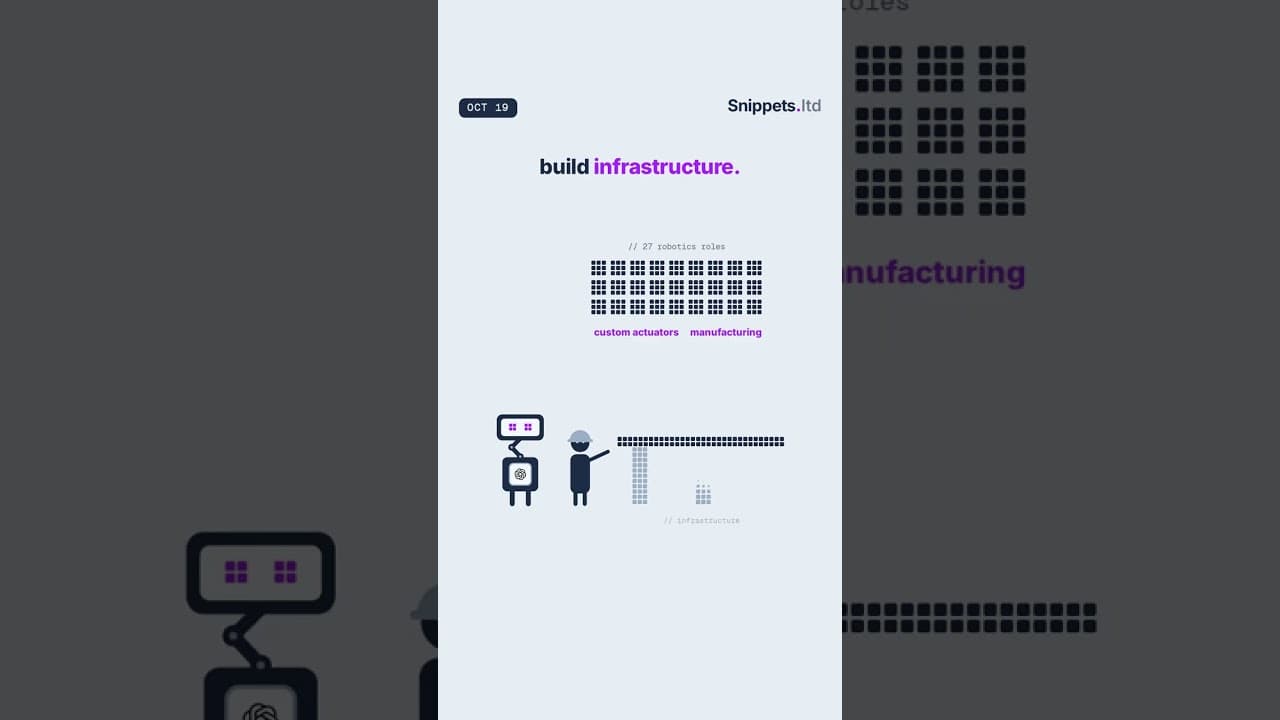 Oct 19The AI coding tool OpenCode said attackers broke into a legacy system it was shutting down...4 stories
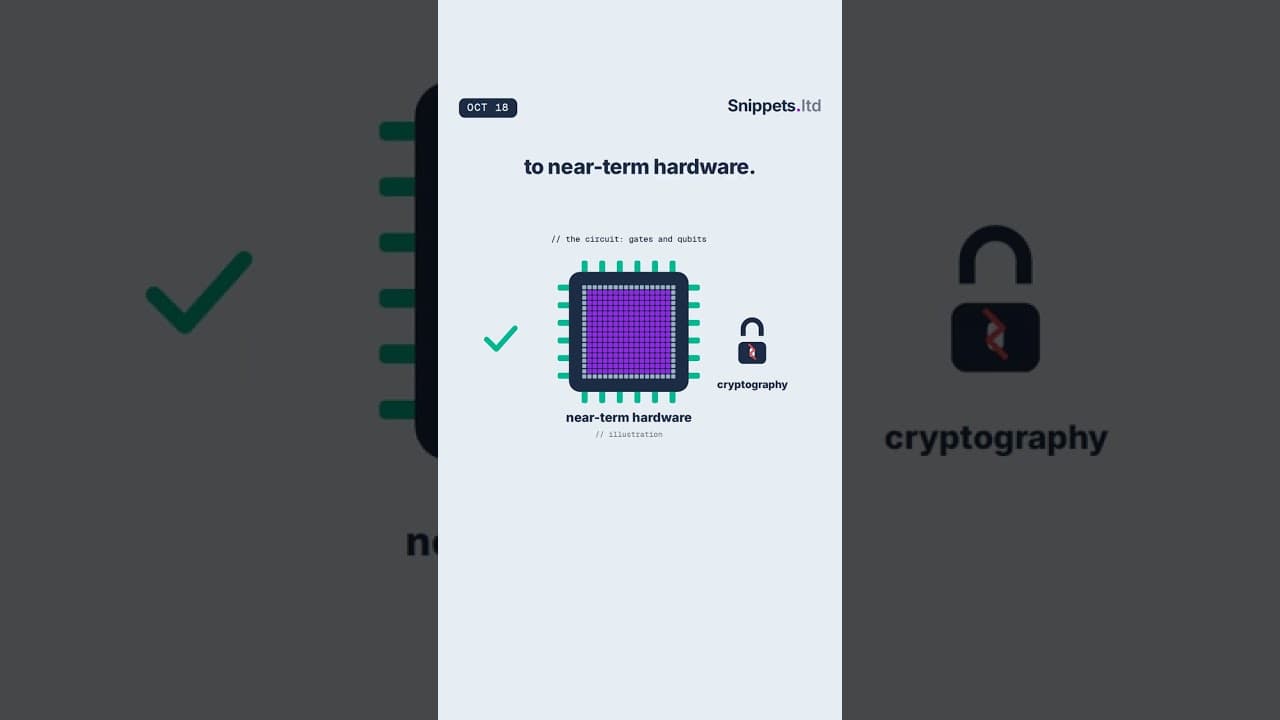 Oct 18OpenAI added four new cases of misaligned agent behavior to its public incident page, brin...4 stories
 Oct 17Meta's updated commercial terms, which take effect October 30, let it use crawlers to coll...4 stories