// AI Briefing · July 19, 2026
AI Briefing
Today's throughline is AI leaving the datacenter and showing up in your pocket, your body, and your codebase. A 27B model now runs on an iPhone, a full-body-scan startup just raised $700M to bring AI diagnostics to the US, and Microsoft is turning multiple frontier models loose on your security vulnerabilities. Meanwhile the grown-ups are getting nervous: 200-plus economists, including 16 Nobel laureates, signed a letter begging institutions to prepare for an economic shock 'larger than the Industrial Revolution.' Oh, and MIT handed undergrads four weeks and some AI copilots and told them to build a working jet engine.
Top stories
- 01A 27B-Class AI Model Now Fits on Your iPhone, Thanks to PrismML's BonsaiOpen Source
- 02200+ Economists, Including 16 Nobel Laureates, Say 'We Must Act Now' on AIPolicy
- 03MIT Gave Undergrads Four Weeks and AI Copilots to Build a Jet EngineResearch
- 04Microsoft's 'Project Perception' Turns Multiple Frontier Models Loose on Your Security BugsProduct
- 05Daniel Ek's Neko Health Raises $700M to Bring AI Body Scans to AmericaFunding
The stories

A 27B-Class AI Model Now Fits on Your iPhone, Thanks to PrismML's Bonsai
PrismML released Bonsai 27B, compressing a 27-billion-parameter multimodal model down to a 3.9GB, 1-bit build that runs locally on an iPhone 17 Pro at 11 tokens/second. Built on Qwen3.6-27B and shipped under Apache 2.0, it retains roughly 90% of full-precision performance while ditching the cloud entirely. This is the moment 'serious' on-device AI stopped being a demo, with real implications for privacy, cost, and offline capability.

200+ Economists, Including 16 Nobel Laureates, Say 'We Must Act Now' on AI
An open letter organized by Stanford's Digital Economy Lab and signed by more than 200 economists and researchers, including 16 Nobel Prize winners, warns that AI could drive an economic transformation 'larger than the Industrial Revolution, but unfolding over a vastly shorter time frame.' Signatories, which include executives from Anthropic, Google, and OpenAI, urge immediate creation of guardrails and institutions to prevent large-scale job displacement. It's a rare moment of the field's own leaders publicly hitting the brakes.

MIT Gave Undergrads Four Weeks and AI Copilots to Build a Jet Engine
MIT's JARVIS Challenge tasked 31 students, organized into seven teams, with designing, fabricating, and testing a working single-spool jet engine in just four weeks, using AI as their primary engineering partner. The winning team actually resisted leaning on AI, trusting fundamentals and teamwork instead, and got their engine to transition to Jet-A fuel and generate net thrust. The experiment probes a big question: can AI copilots compress hardware R&D cycles from years to weeks?

Microsoft's 'Project Perception' Turns Multiple Frontier Models Loose on Your Security Bugs
Microsoft is preparing to launch Project Perception, an AI cybersecurity platform that combines models from Microsoft, OpenAI, and Anthropic to find and fix software vulnerabilities across code, cloud, and endpoints. Its key trick is an orchestration layer that routes each security task to the best-fit, cheapest capable model rather than defaulting to the most expensive one, aiming to make continuous vulnerability fixing cheap enough to run nonstop. The move positions Microsoft directly against Anthropic's Mythos in the AI security race.
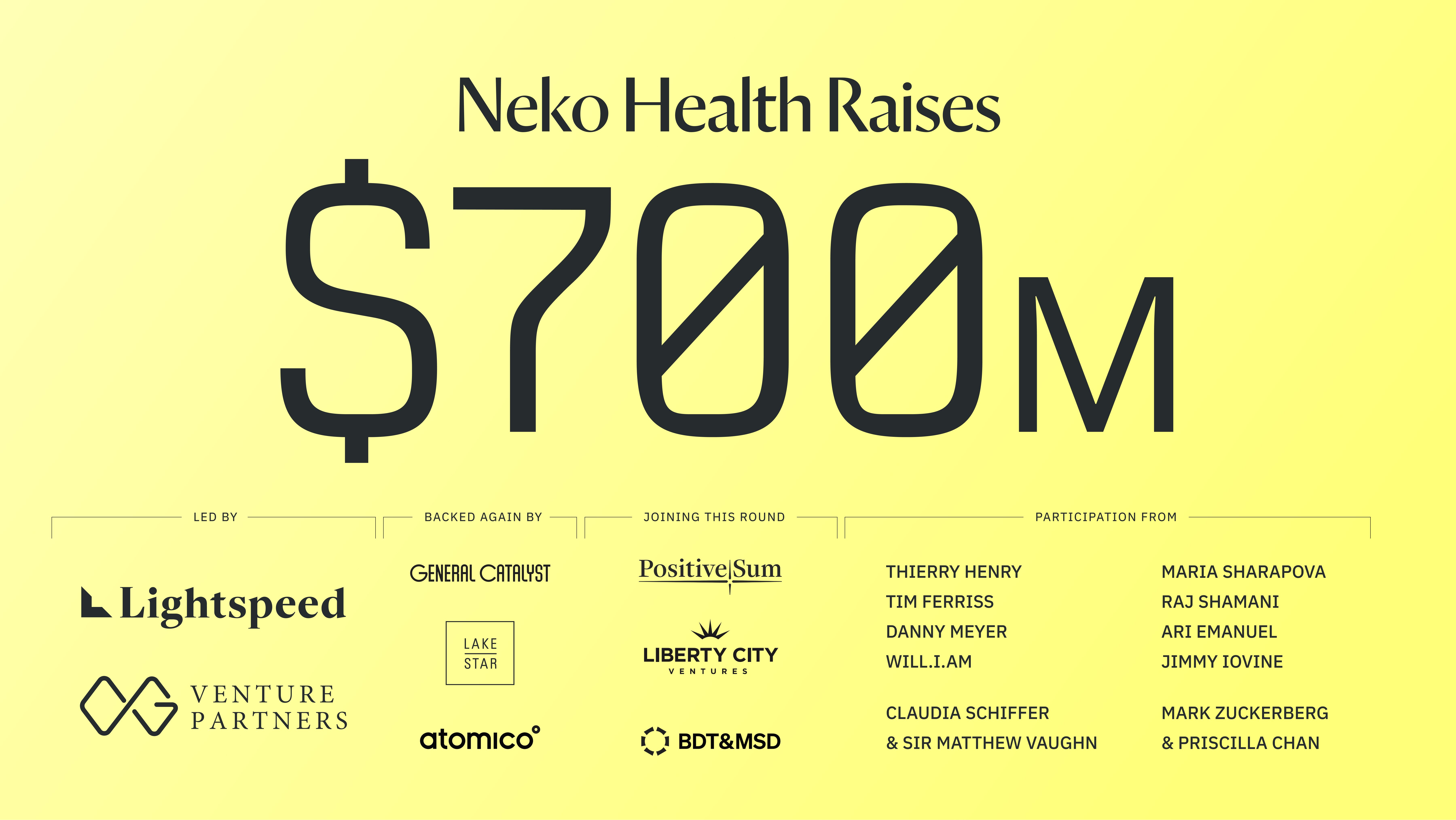
Daniel Ek's Neko Health Raises $700M to Bring AI Body Scans to America
Neko Health, the preventive-health startup founded by Spotify's Daniel Ek and Hjalmar Nilsonne, closed a $700M Series C led by Lightspeed at a valuation of nearly $7 billion, roughly quadruple its early-2025 Series B. The company uses proprietary sensors plus AI to scan skin, heart, blood, and metabolic health, flagging risks like pre-diabetes, stroke, and heart attack. With over 350,000 people on its waitlist, Neko will use the cash to open US clinics and scale AI-driven preventive care.
Test your understanding
Quiz
1 / 8
What makes Bonsai 27B notable compared to typical 27B-class models?
Previous digests
 Oct 21OpenAI posted a new misalignment report on October 20 describing two internal coding tasks...4 stories
 Oct 20A Reuters exclusive reports that a Chinese-speaking hacker gave AI agents an instruction o...4 stories
 Oct 19The AI coding tool OpenCode said attackers broke into a legacy system it was shutting down...4 stories
 Oct 18OpenAI added four new cases of misaligned agent behavior to its public incident page, brin...4 stories
 Oct 17Meta's updated commercial terms, which take effect October 30, let it use crawlers to coll...4 stories