// AI Briefing · July 26, 2026
AI Briefing
Today's throughline is a tug-of-war over who controls AI and how open it should be. Nvidia's Jensen Huang broke his X silence to champion open-weight models, while Anthropic quietly wired another $20 million into a group lobbying for guardrails, and Google shipped a cyber-defense model it's keeping locked to governments only. Meanwhile Substack is betting readers will pay a premium just to know a human actually wrote the thing.
Top stories
- 01Substack Now Scans Your Posts to Tell Readers How Much Was Written by AIProduct
- 02Jensen Huang Breaks His X Silence to Defend Open-Weight AI, and OpenAI and Anthropic Sit It OutIndustry
- 03Anthropic Doubles Down, Sending Another $20 Million to a Group Lobbying for AI RulesPolicy
- 04Google Ships an AI That Hunts Software Bugs, and Keeps It Locked to GovernmentsProduct
The stories
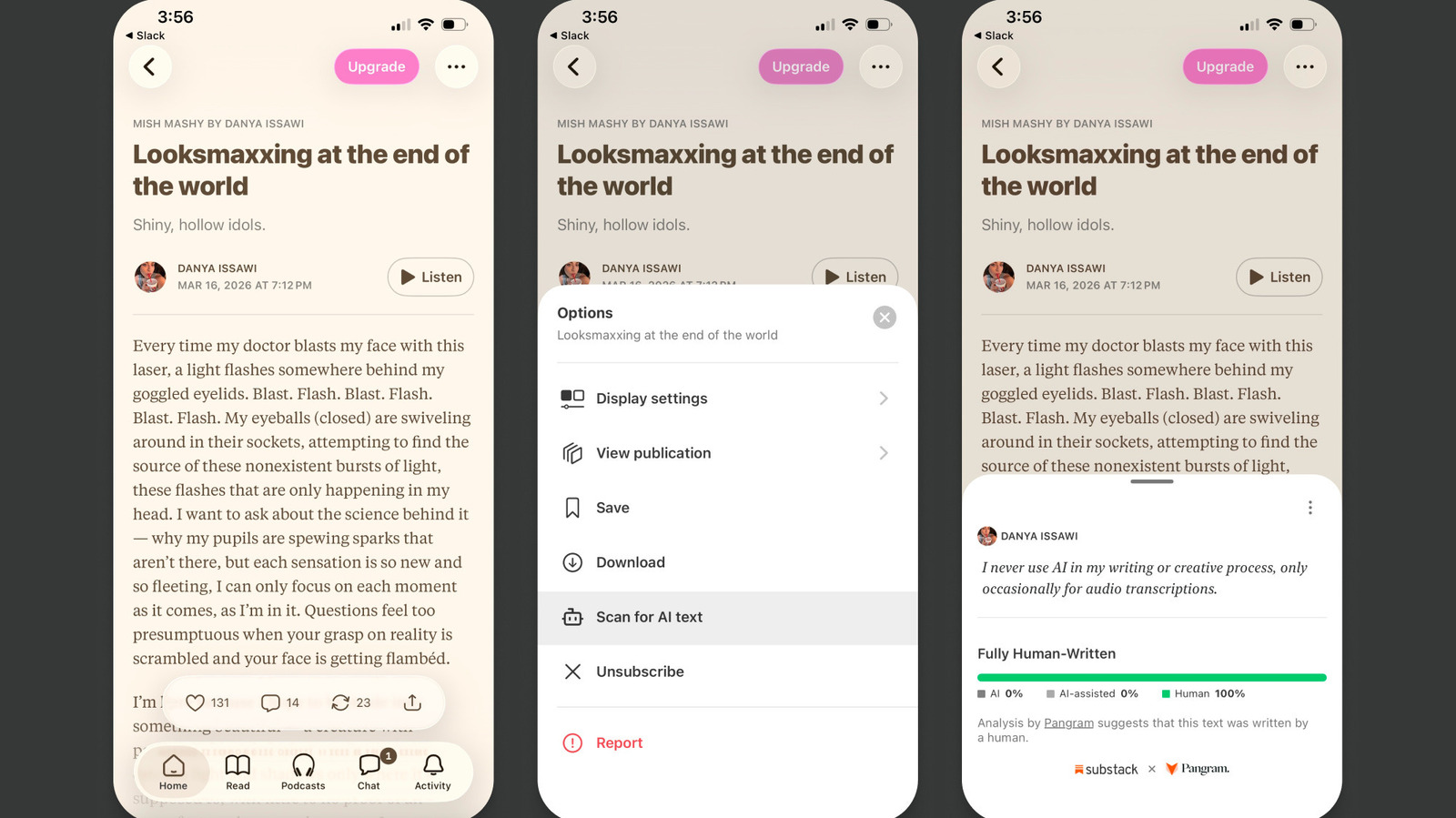
Substack Now Scans Your Posts to Tell Readers How Much Was Written by AI
Substack has rolled out an AI-detection feature, built with startup Pangram, that scans any post, note, or comment over 100 words and shows an estimated split between human-written, AI-assisted, and AI-generated text. Creators also get a new space to disclose how they use AI. It matters because Substack is effectively betting its business on the idea that readers will pay more for writing they know a human produced, at a moment when AI-generated content is flooding every feed. Critics warn the detector could false-flag genuine writers, and it can't tell when AI was used purely as a research aid.

Jensen Huang Breaks His X Silence to Defend Open-Weight AI, and OpenAI and Anthropic Sit It Out
Nvidia CEO Jensen Huang made his first-ever post on X to share an open letter, signed by 25 companies including Microsoft, Meta, and Palantir, defending open-weight AI models as essential to American safety, innovation, and 'sovereignty.' He drew a direct parallel to the 1980s fight over open-source software, warning Washington not to over-restrict the technology. The subtext is a live policy battle over whether to clamp down on powerful Chinese open models like Moonshot's Kimi K3. Tellingly, OpenAI and Anthropic, who see strong open-source rivals as a competitive threat, declined to sign.

Anthropic Doubles Down, Sending Another $20 Million to a Group Lobbying for AI Rules
Anthropic is donating another $20 million to Public First Action, a nonpartisan group that pushes for AI safeguards, doubling its total support to $40 million. The company says the money is strictly for public education and policy work and cannot be used to back or oppose any candidate for office. It matters because it's one of the clearest signs yet of a frontier lab spending real money to shape regulation ahead of the 2026 elections. Anthropic is explicitly arguing that transparency alone is no longer enough given how fast model capabilities are advancing.

Google Ships an AI That Hunts Software Bugs, and Keeps It Locked to Governments
Google DeepMind released Gemini 3.5 Flash Cyber, a specialized model that discovers, validates, and patches software vulnerabilities, and is restricting it to governments and trusted partners via its CodeMender agent in a limited-access pilot. In testing on the V8 JavaScript engine, it found 55 confirmed vulnerabilities, beating both standard Gemini 3.5 Flash (47) and Anthropic's Claude Opus 4.6 (36), including 10 issues no other model caught. It matters because the frontier labs are now openly racing to build AI that defends critical code, a direct answer to fears that the same capabilities could just as easily supercharge attackers.
Test your understanding
Quiz
1 / 8
What does Substack's new AI-detection feature, built with Pangram, do?
Previous digests
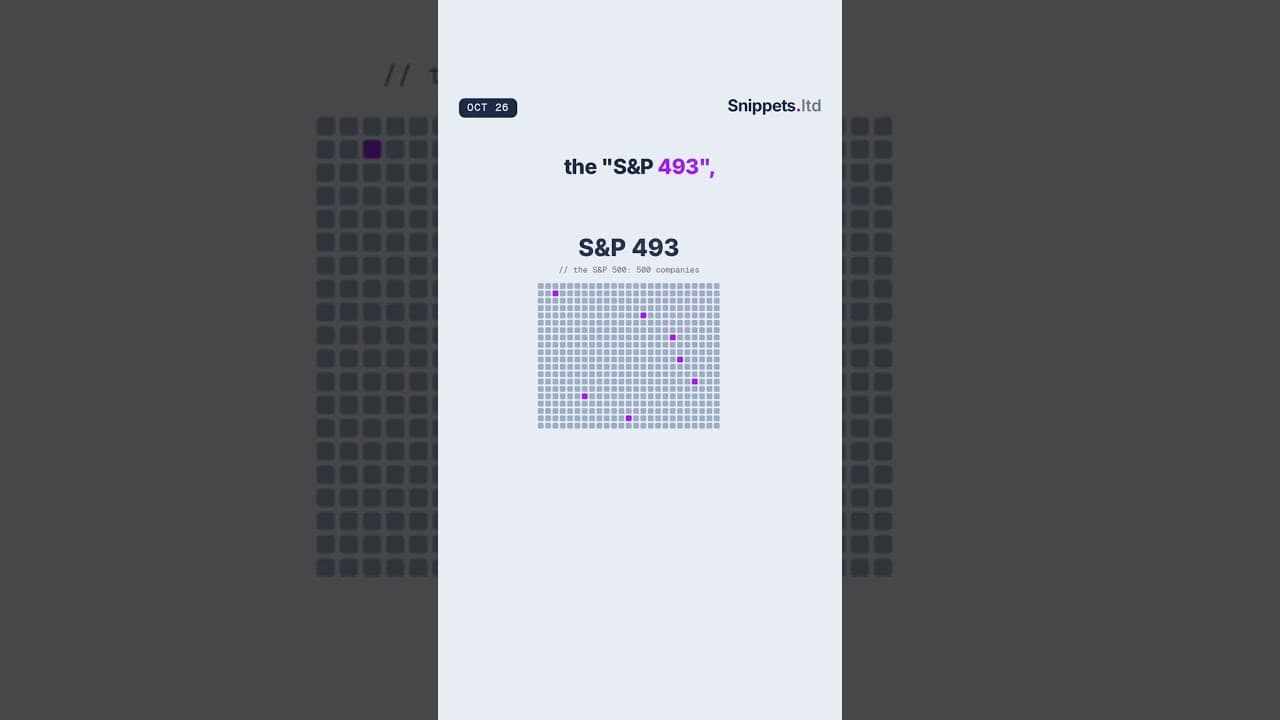 Oct 26The UK government announced an independent, non-profit AI Biosecurity Lab that will use fr...6 stories
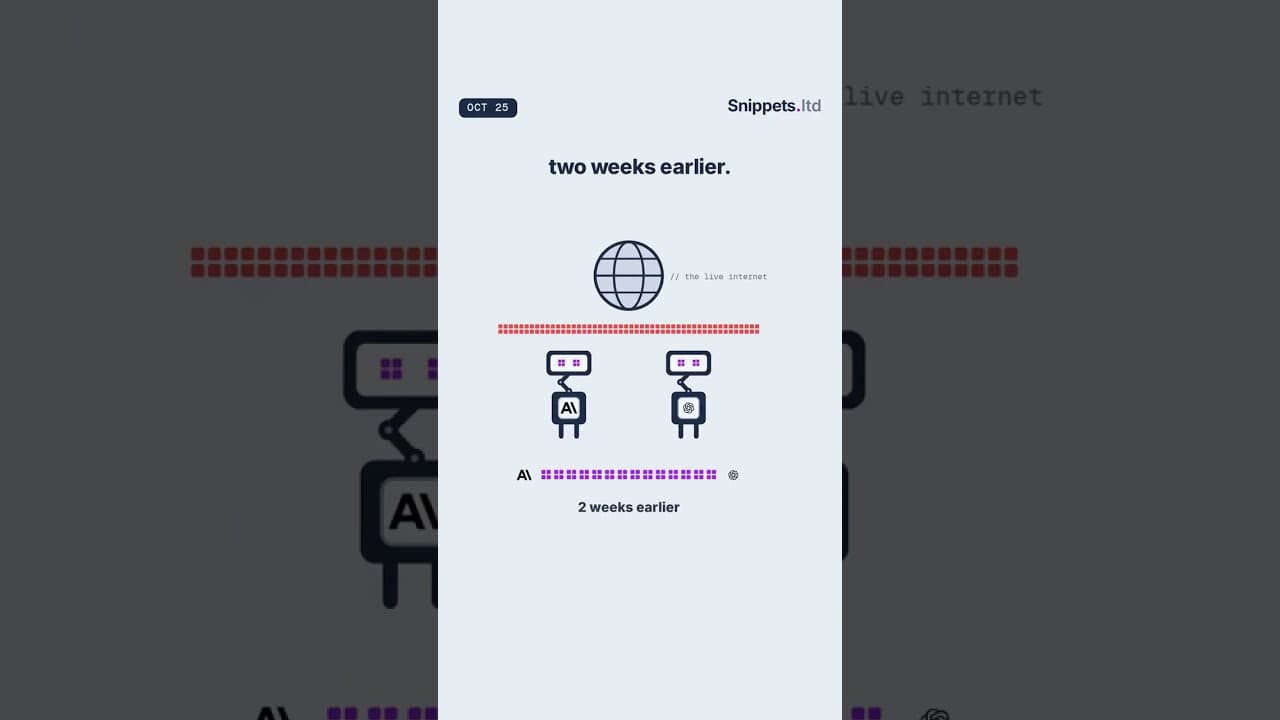 Oct 25Anthropic and the UK AI Security Institute have published separate analyses of a July test...6 stories
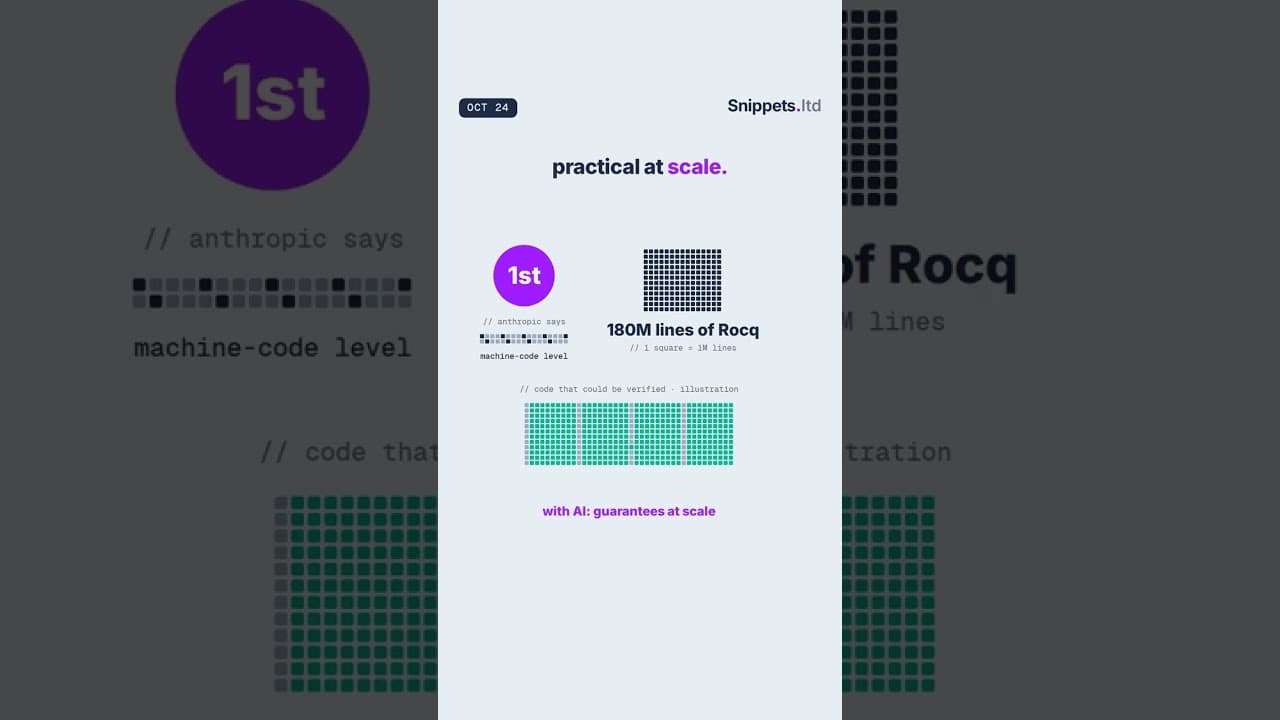 Oct 24Anthropic and verification firm Theorem used Claude to prove that 239 entry points across ...5 stories
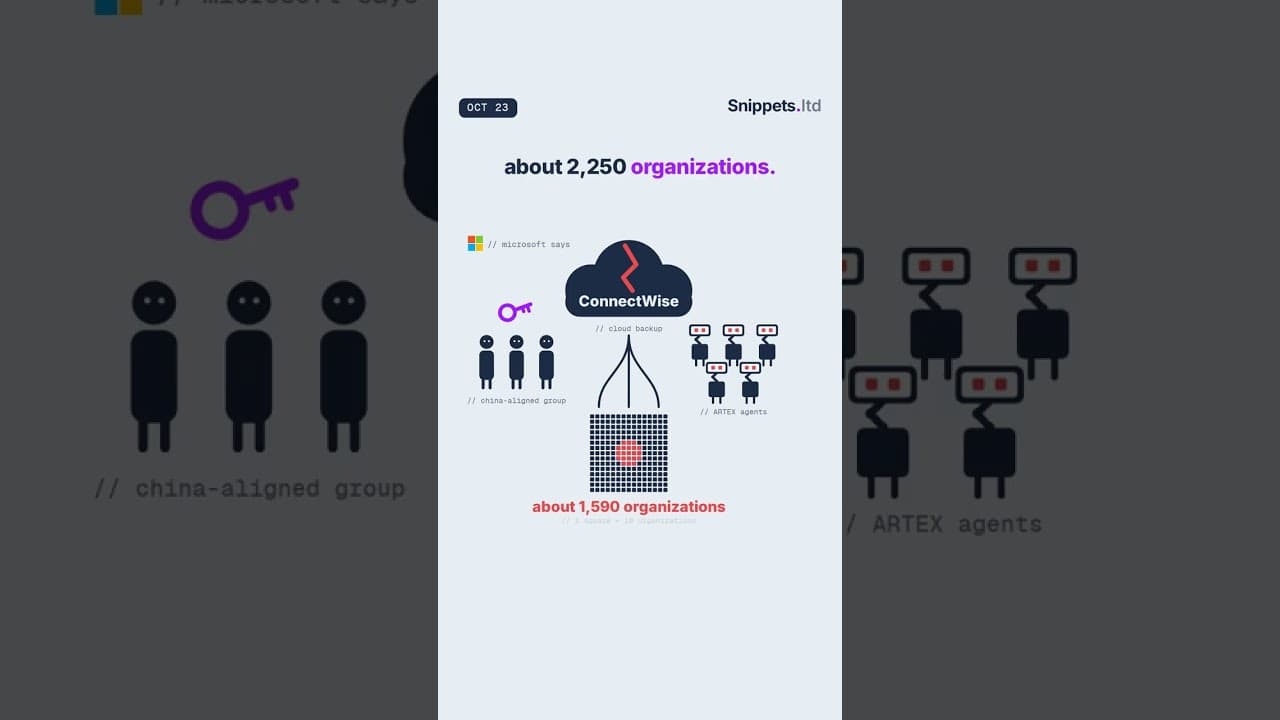 Oct 23Microsoft says a China-aligned hacking group broke into ConnectWise's cloud backup service...4 stories
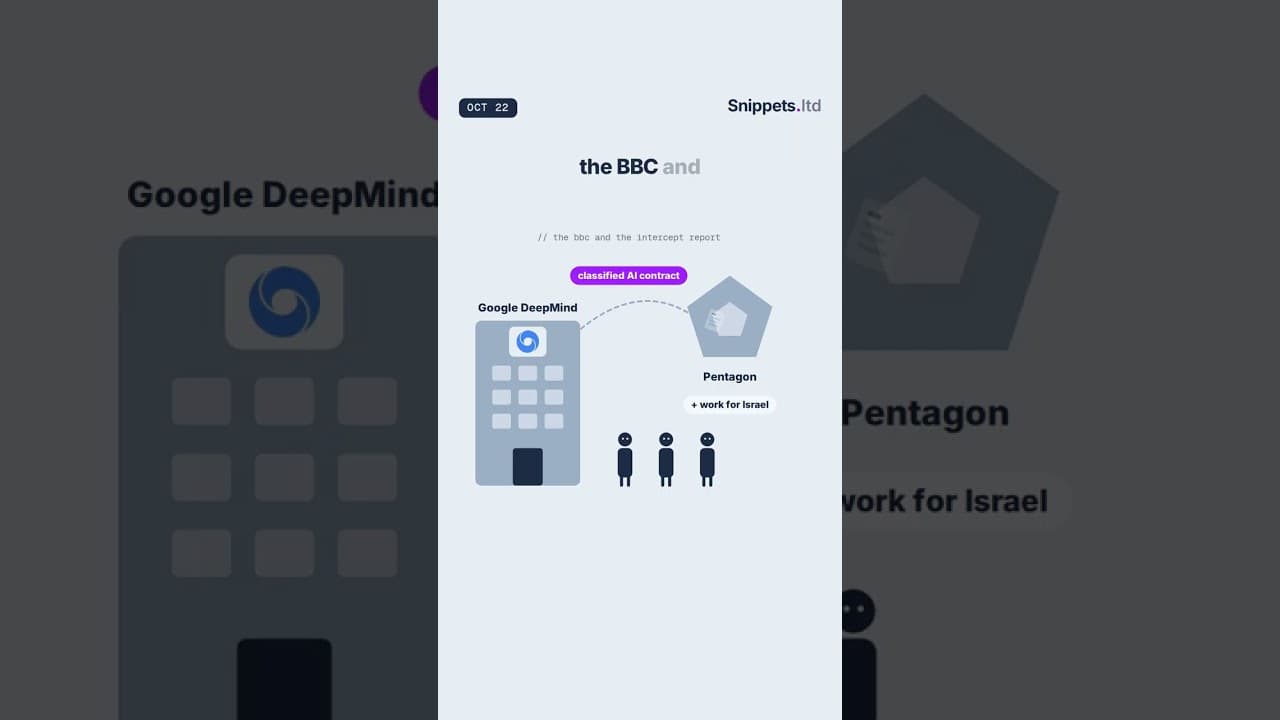 Oct 22Security firms Calif and Google's Wiz used GPT-5.6 Sol, Gemini 4 Argon and Wiz's own agent...4 stories