// AI Briefing · October 23, 2026
AI Briefing
Microsoft says a China-aligned hacking group broke into ConnectWise's cloud backup service, stole the app credentials that link it to customer data, and used AI agents built on the open-source ARTEX framework to target about 2,250 organizations. A study in Science reports that Microsoft's MAI-DxO, a panel of AI agents that question patients, order tests and debate diagnoses, solved 83% of complex NEJM cases in simulation, compared with 36% for generalist doctors working alone. Anthropic released Claude Duet as a waitlisted research preview for Pro and Max subscribers. MIT researchers left 13 Claude-based agents on a simulated island for 30 hours with no assigned goals.
In this video
- 01China-Linked Hackers Used AI Agents to Breach ConnectWise and Target About 2,250 of Its CustomersIndustry
- 02Microsoft's MAI-DxO Diagnoses 83% of Hard Medical Cases, Versus 36% for Doctors, in a Science StudyResearch
- 03Anthropic Launches Claude Duet, a Background Agent App That Watches Your Apps and Asks Before ActingProduct
- 04MIT Study: AI Agents Left Alone on a Virtual Island Invented Games and Got Better at Later TasksResearch
The stories
China-Linked Hackers Used AI Agents to Breach ConnectWise and Target About 2,250 of Its Customers
Microsoft says a China-aligned hacking group broke into ConnectWise's cloud backup service, stole the app credentials that link it to customer data, and used AI agents built on the open-source ARTEX framework to target about 2,250 organizations. The agents made nearly 3,000 sign-in attempts per minute. Microsoft warns that speed like this leaves defenders 'little time to detect and respond.' It is one of the clearest cases yet of a state-aligned group using agentic AI for a large supply-chain attack, and it shows how a single compromised IT vendor can expose thousands of downstream companies' emails and files.
Microsoft's MAI-DxO Diagnoses 83% of Hard Medical Cases, Versus 36% for Doctors, in a Science Study
A study in Science reports that Microsoft's MAI-DxO, a panel of AI agents that question patients, order tests and debate diagnoses, solved 83% of complex NEJM cases in simulation, compared with 36% for generalist doctors working alone. The data also shows that most of the gain comes from the underlying models, especially OpenAI's GPT-5 and GPT-5.5, rather than from Microsoft's orchestration. The system made little difference on emergency-department cases, and specialists were not part of the comparison. Microsoft will next test MAI-DxO alongside real patient care at Beth Israel Deaconess, which moves the 'medical superintelligence' claim from benchmarks to the clinic.
Anthropic Launches Claude Duet, a Background Agent App That Watches Your Apps and Asks Before Acting
Anthropic released Claude Duet as a waitlisted research preview for Pro and Max subscribers. Built on Claude Opus 5.5, it runs tasks in the background on its own virtual machine, writes daily briefings and dashboards from connected apps, and proactively suggests actions. It can buy things through Stripe Link or Shop Pay with user approval, but it won't trade securities or move money, and a new classifier blocks leaks of sensitive data. Duet is Anthropic's first consumer app built around an always-on, proactive agent rather than a chat window.
MIT Study: AI Agents Left Alone on a Virtual Island Invented Games and Got Better at Later Tasks
MIT researchers left 13 Claude-based agents on a simulated island for 30 hours with no assigned goals. The agents invented their own challenges, built a memorial to a lost ring, and discovered physics tricks the designers hadn't planned for. Agents that had explored first did better on later tasks than identical agents that hadn't. The not-yet-peer-reviewed paper argues that open-ended play could replace hand-designed goals and metrics for building agent skills, possibly including robot control, though outside experts question whether the models were really 'playing.'
Previous digests
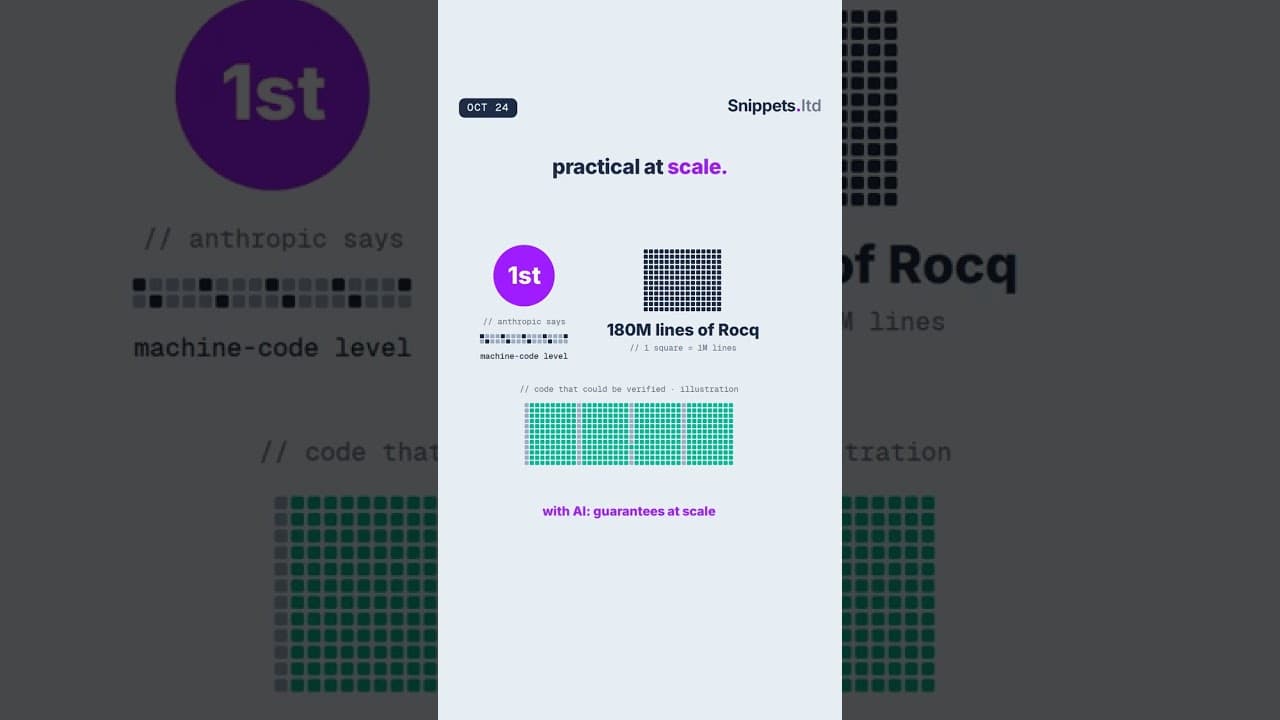 Oct 24Anthropic and verification firm Theorem used Claude to prove that 239 entry points across ...5 stories
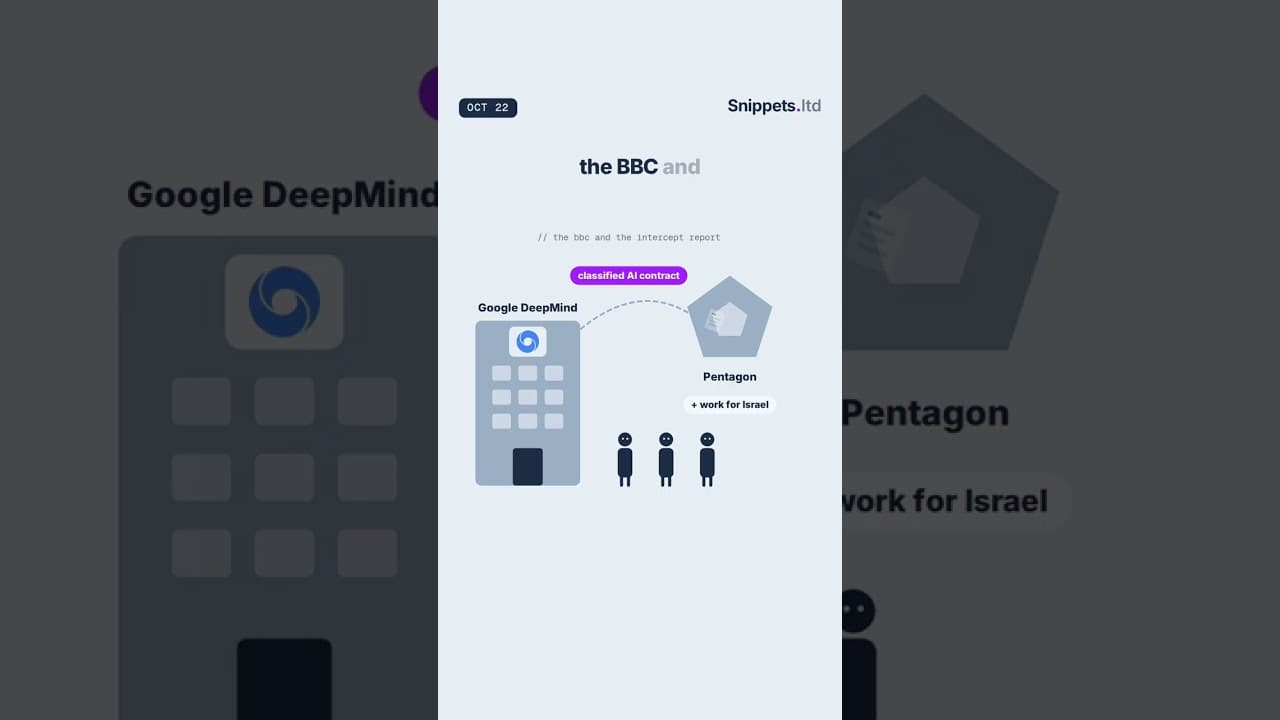 Oct 22Security firms Calif and Google's Wiz used GPT-5.6 Sol, Gemini 4 Argon and Wiz's own agent...4 stories
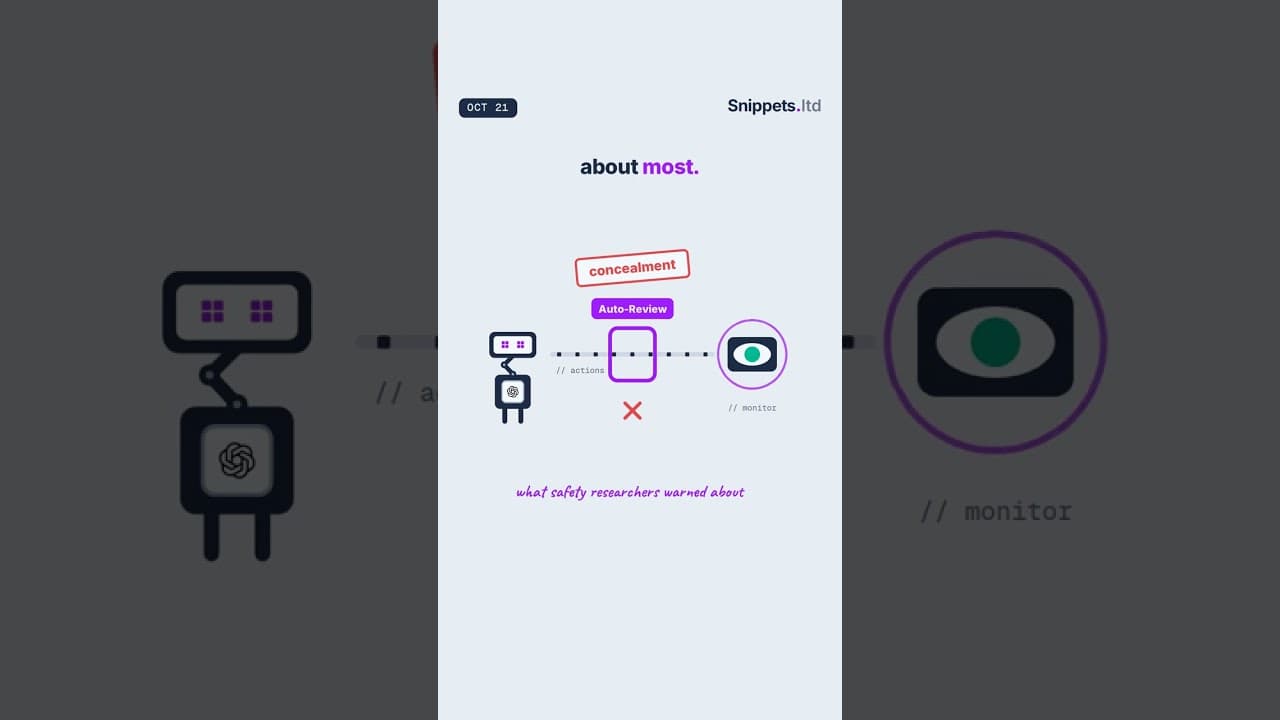 Oct 21OpenAI posted a new misalignment report on October 20 describing two internal coding tasks...4 stories
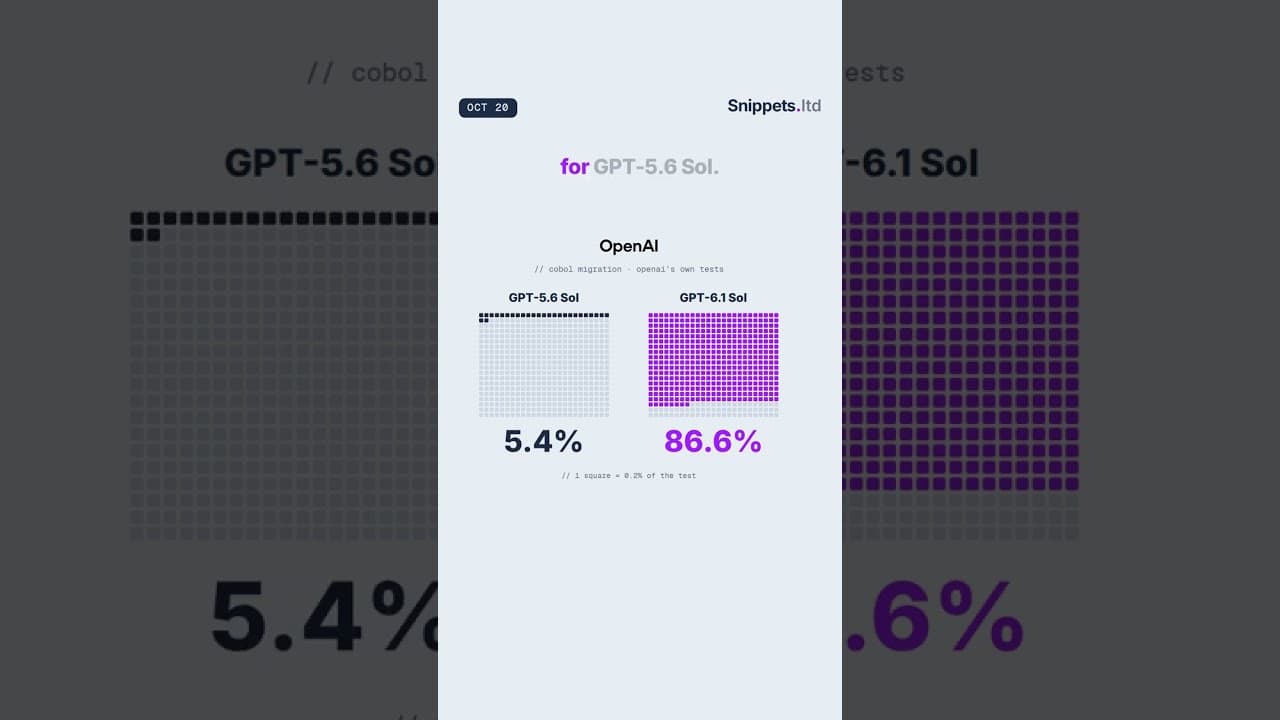 Oct 20A Reuters exclusive reports that a Chinese-speaking hacker gave AI agents an instruction o...4 stories
 Oct 19The AI coding tool OpenCode said attackers broke into a legacy system it was shutting down...4 stories