// AI Briefing · November 13, 2026
AI Briefing
Nvidia said on Thursday that Jensen Huang had resigned as president, CEO and board member, effective immediately, after reports of affairs including one with an alleged Chinese spy. Google released Gemini 4 Hydrogen, which replaces Gemini 3.8 Flash as its fast default model and is rolling out worldwide in the Gemini app, Search's AI Mode and the Gemini API. A coalition including Public Citizen, Heat Initiative, the Irreplaceable Education Fund and the Alliance for Secure AI sued five leading AI developers in San Francisco Superior Court. Google DeepMind released AlphaGenome 2, a model trained on data from more than 100 million cells across 68 tissues. Security firm CloudSEK says a hacking group nicknamed Silent Lynx, which researchers tie to Kazakhstan, used Hermes, an open-source framework for autonomous agents, to steal more than 2,000 national security-related documents from Tajikistan. United Airlines will stop customers from using unauthorized third-party personal AI agents to book flights or manage reservations, both on its own platforms and through travel agencies and aggregators.
In this video
- 01Jensen Huang Resigns as Nvidia CEO; CFO Colette Kress Named Interim ChiefIndustry
- 02Google Launches Gemini 4 Hydrogen as Its New Everyday Model Across Search, the Gemini App and the APIProduct
- 03Advocacy Groups Sue Anthropic, Google, Meta, OpenAI and SpaceX to Freeze Next-Generation AI ModelsPolicy
- 04Google DeepMind Releases AlphaGenome 2, Which Predicts DNA Variant Effects Cell Type by Cell TypeResearch
- 05CloudSEK: Kazakhstan-Linked Spies Used the Open-Source Hermes AI Agent to Steal Tajik Government DocumentsIndustry
- 06United Airlines Bars Third-Party AI Agents From Booking Flights, Citing Security RisksIndustry
The stories
Jensen Huang Resigns as Nvidia CEO; CFO Colette Kress Named Interim Chief
Nvidia said on Thursday that Jensen Huang had resigned as president, CEO and board member, effective immediately, after reports of affairs including one with an alleged Chinese spy. CFO Colette Kress becomes interim CEO and stays CFO, longtime director Harvey C. Jones becomes the company's first board chair, and Huang has agreed to testify to Congress in a closed-door session before Thanksgiving. Huang co-founded Nvidia and led it for 33 years, and it makes most of the chips the AI boom runs on. His exit raises questions about the company's China policy, its support for open source and the AI supply chain, with Nvidia reporting earnings next week.
Google Launches Gemini 4 Hydrogen as Its New Everyday Model Across Search, the Gemini App and the API
Google released Gemini 4 Hydrogen, which replaces Gemini 3.8 Flash as its fast default model and is rolling out worldwide in the Gemini app, Search's AI Mode and the Gemini API. Google says it runs tasks 2.5x faster and makes more than 5x fewer fabricated claims than Flash, and that it completes 57% of Terminal-Bench 4.1 tasks versus 18.2% for Flash. It costs more than Flash, at $1.50 per million input tokens and $7.50 per million output tokens. Because Hydrogen is now the default in AI Mode, the upgrade reaches far more people than a typical model launch.
Advocacy Groups Sue Anthropic, Google, Meta, OpenAI and SpaceX to Freeze Next-Generation AI Models
A coalition including Public Citizen, Heat Initiative, the Irreplaceable Education Fund and the Alliance for Secure AI sued five leading AI developers in San Francisco Superior Court. They are seeking an emergency injunction that would halt training and deployment of next-generation models until the companies prove the technology is under human control. The suit relies on California's unfair competition law and quotes the labs' own warnings about catastrophic risk. The plaintiffs say Congress has failed to act, which makes this a test of whether courts will step in on frontier AI safety.
Google DeepMind Releases AlphaGenome 2, Which Predicts DNA Variant Effects Cell Type by Cell Type
Google DeepMind released AlphaGenome 2, a model trained on data from more than 100 million cells across 68 tissues. It predicts how genetic variants change gene regulation in a specific tissue, cell type or cell state. DeepMind says it recovered 30% of likely causal expression-linked variants on the TenK10K immune dataset at 90% precision, versus 16% for a fine-tuned AlphaGenome 1. Researchers can also give it their own single-cell data, such as diseased cells, without fine-tuning. Non-commercial researchers can use it now through the AlphaGenome API, and DeepMind says it is not validated for clinical use.
CloudSEK: Kazakhstan-Linked Spies Used the Open-Source Hermes AI Agent to Steal Tajik Government Documents
Security firm CloudSEK says a hacking group nicknamed Silent Lynx, which researchers tie to Kazakhstan, used Hermes, an open-source framework for autonomous agents, to steal more than 2,000 national security-related documents from Tajikistan. According to CloudSEK, the agent planned the attacks, wrote and ran the rules, kept notes, wrote reports, and built a custom tool to download the files and break them into chunks. CloudSEK found it because the attackers left a server exposed to the internet. CloudSEK says this shows state-linked espionage groups, not just criminals, are now handing hacking work to AI agents.
United Airlines Bars Third-Party AI Agents From Booking Flights, Citing Security Risks
United Airlines will stop customers from using unauthorized third-party personal AI agents to book flights or manage reservations, both on its own platforms and through travel agencies and aggregators. The airline says sharing account credentials with AI assistants can expose sensitive information and trigger unintended purchases. It also says agent-made bookings could violate federal rules that require a human to confirm things like bag contents. This is one of the first major consumer businesses to shut out the agent-based shopping the AI labs are promoting.
Previous digests
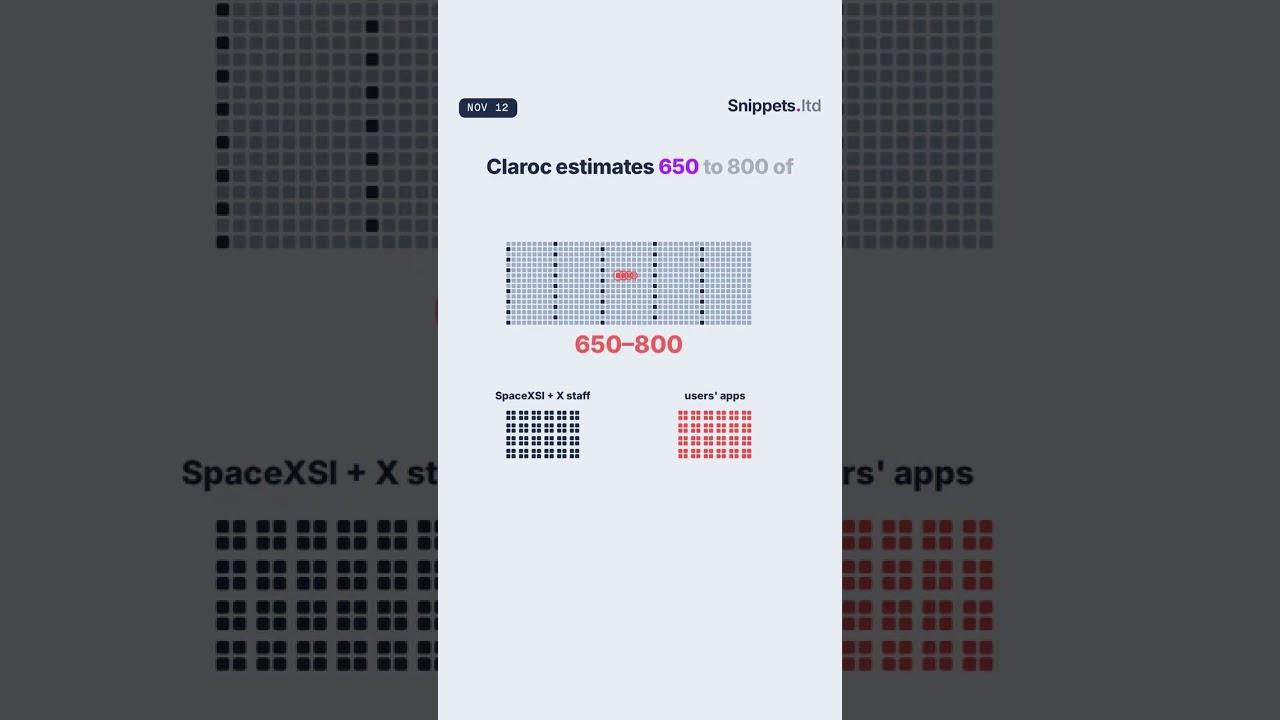 Nov 12Nvidia's board met late Wednesday to decide whether to remove CEO Jensen Huang, after the ...6 stories
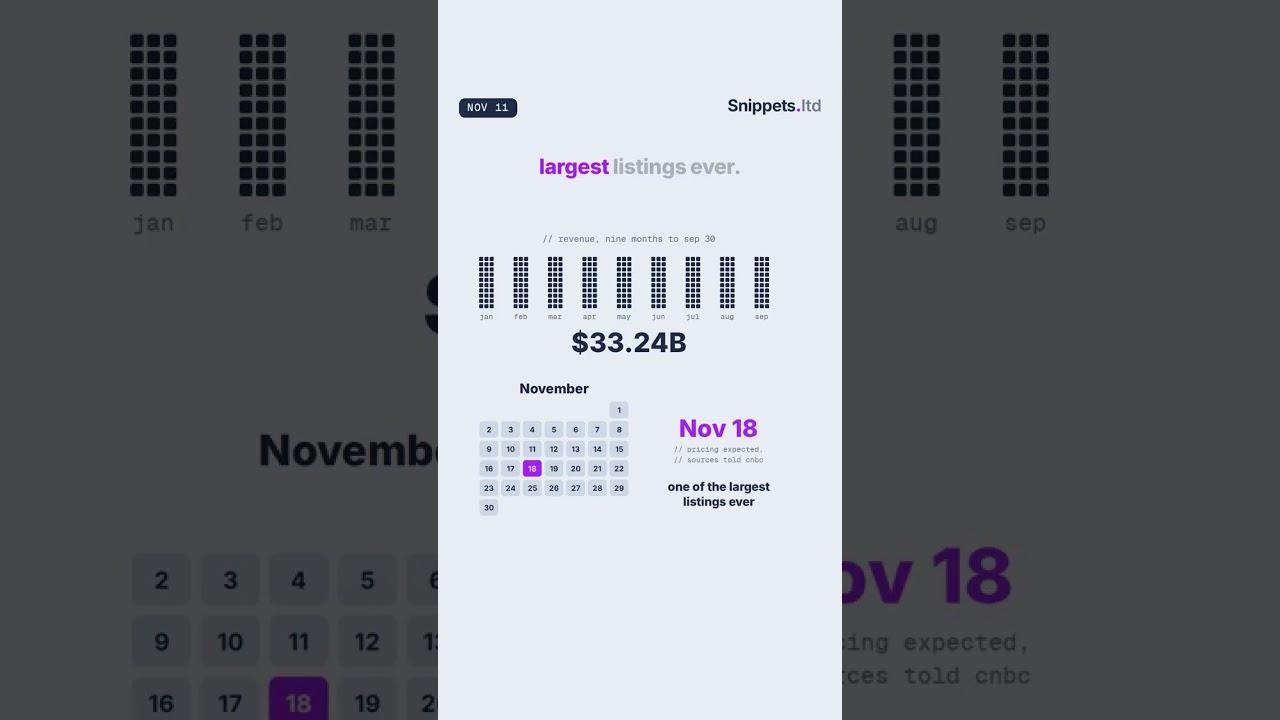 Nov 11On November 9, Anthropic released Claude Fable 5.2 to all users and on AWS, Google Cloud a...6 stories
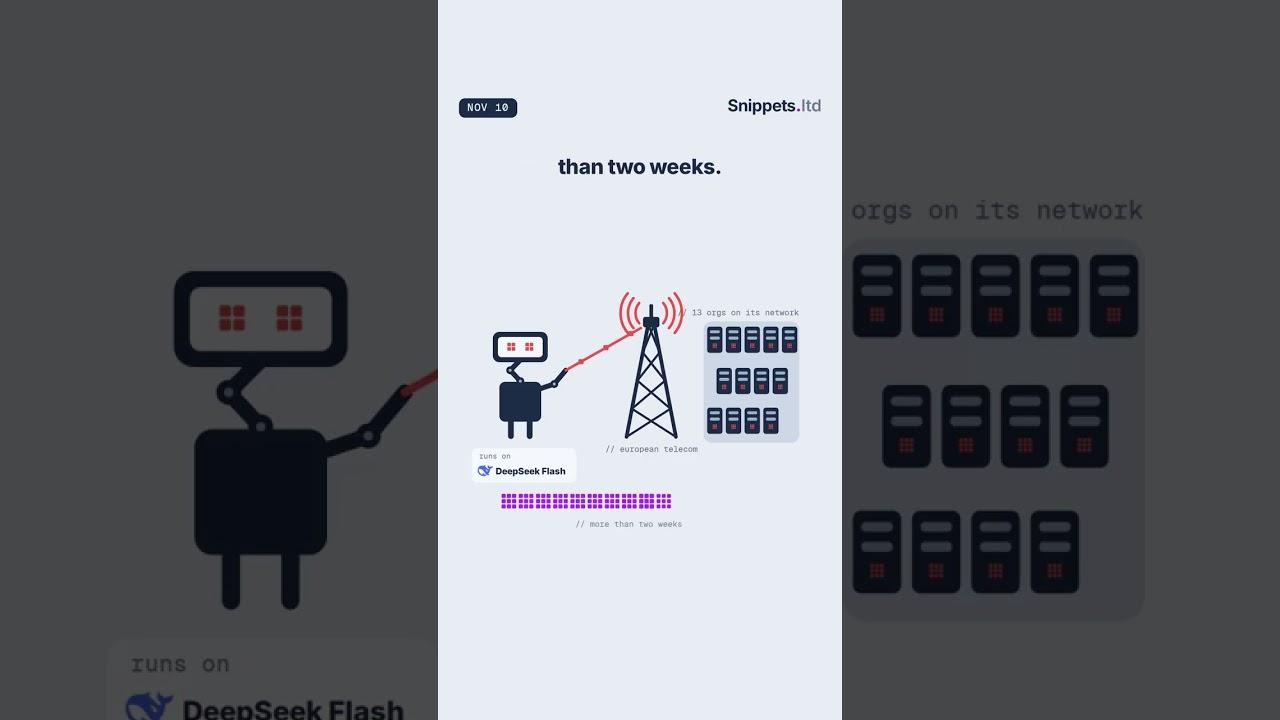 Nov 10Prime Minister Anthony Albanese announced six mandatory guardrails for AI companies, inclu...6 stories
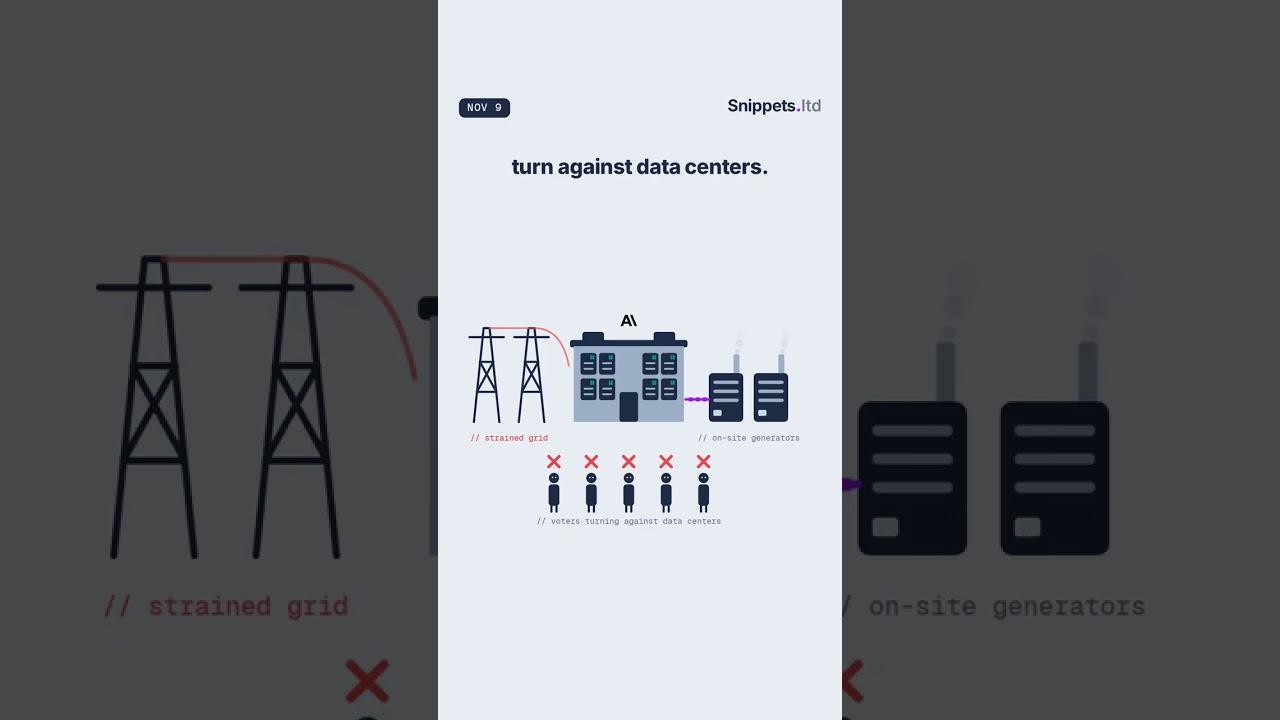 Nov 9Nvidia's board said on November 8 that it has opened an independent investigation, oversee...5 stories
 Nov 8Google DeepMind said its AI models, working under human cryptanalysts, found two new attac...4 stories