Today is about the invisible strings attached to AI. Anthropic is baking watermarks into every word Claude writes, worldwide, and critics say the text gets worse for it. OpenAI is switching on ads for European users while carefully not personalising them yet, and Deepseek just made its best model dramatically better and dramatically more expensive on the same day. Meanwhile a Penn State lab wired synthetic DNA into a semiconductor and got memory that sips 100x less power, and AI has quietly become a top-tier US campaign issue.
Anthropic Will Watermark Every Word Claude Writes, Everywhere, Not Just in the EU
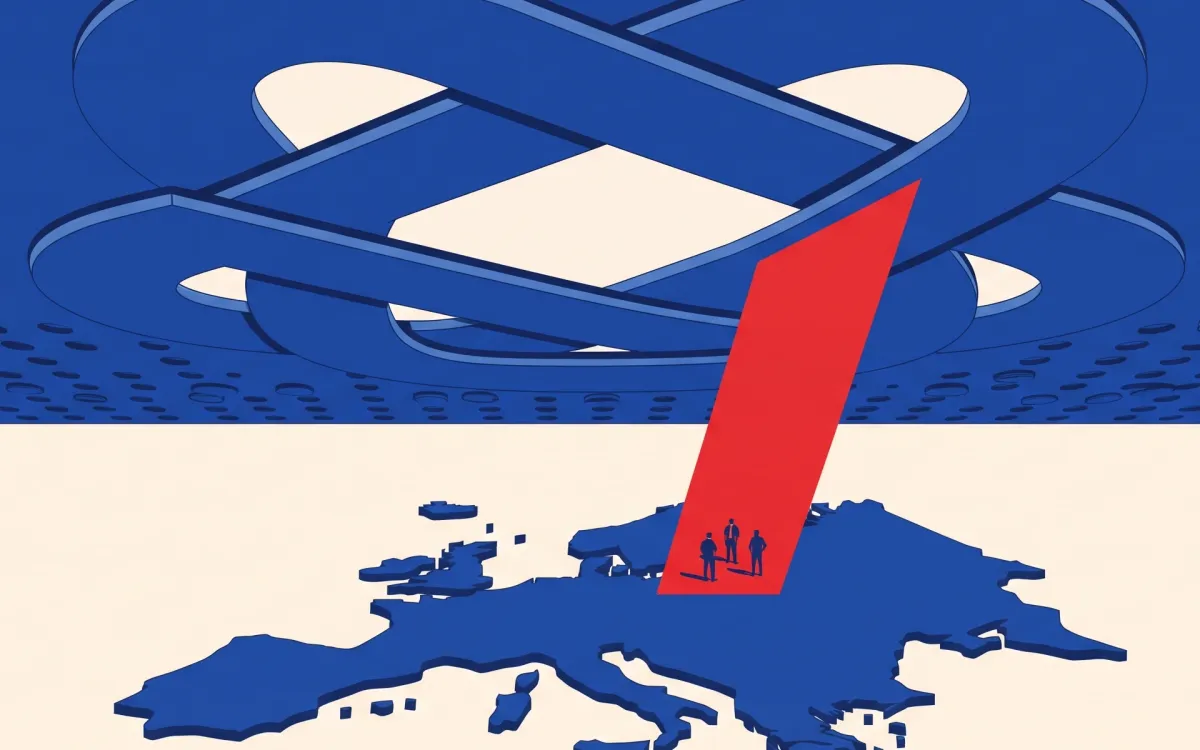
Anthropic signed the EU AI Act Code of Practice on transparency, and from August 2026 new Claude models will embed statistical watermarks in generated text and attach signed provenance metadata to generated files. The rule technically only binds models launched in the EU, but Anthropic is applying it globally across the API, Claude, Claude Code, Claude Cowork and Claude Tag. Critics argue the tradeoff is real: watermarking works by nudging the model to pick words based on a secret key rather than purely on meaning, so output quality can suffer. Anthropic says the marks may persist through some editing and that verification tools are coming, without saying when.
Deepseek Ships a Much Better V4-Pro, Open-Sources Its Agent Harness, and Raises Cache Prices Sixfold
Deepseek moved V4-Pro out of preview with build 0813, jumping from 72.1 to 87.9 on Terminal Bench 2.1 and from 12.8 to 62.7 on DeepSWE, and released Deepseek Harness v0.1 under the MIT license as an open-source rival to Codex and Claude Code. On August 16 it also switched to peak and off-peak API pricing, with headline increases running as high as 1,100 percent. The sharpest jump is on cache hits, which go from $0.003625 to $0.022 off-peak and $0.044 at peak, shrinking the cache discount from roughly one-hundred-twentieth of input price to one-thirtieth. For agent workflows that re-read the same files over and over, that is the part of the bill that explodes.
OpenAI Turns On ChatGPT Ads in Europe, Six Months After the US, With Personalisation Deliberately Switched Off
OpenAI Ireland emailed European users on August 15 to say ads will start appearing on the ChatGPT Free and Go plans later this month, closing the gap on a market it had conspicuously skipped since the US launch in February. To begin with, ads will not be personalised: selection uses only the current conversation topic, general location and device type, with past chats and memories excluded, and a separate opt-in prompt gating anything behavioural. That staged design is a direct response to the EDPB's consent-or-pay fight, and OpenAI is offering a third door, an ads-free Free plan with lower message limits and fewer features. Whether that counts as a genuinely equivalent free alternative under GDPR is exactly the question European regulators have been chewing on for two years.
Penn State Wired Synthetic DNA Into a Semiconductor and Got Memory That Uses 100x Less Power
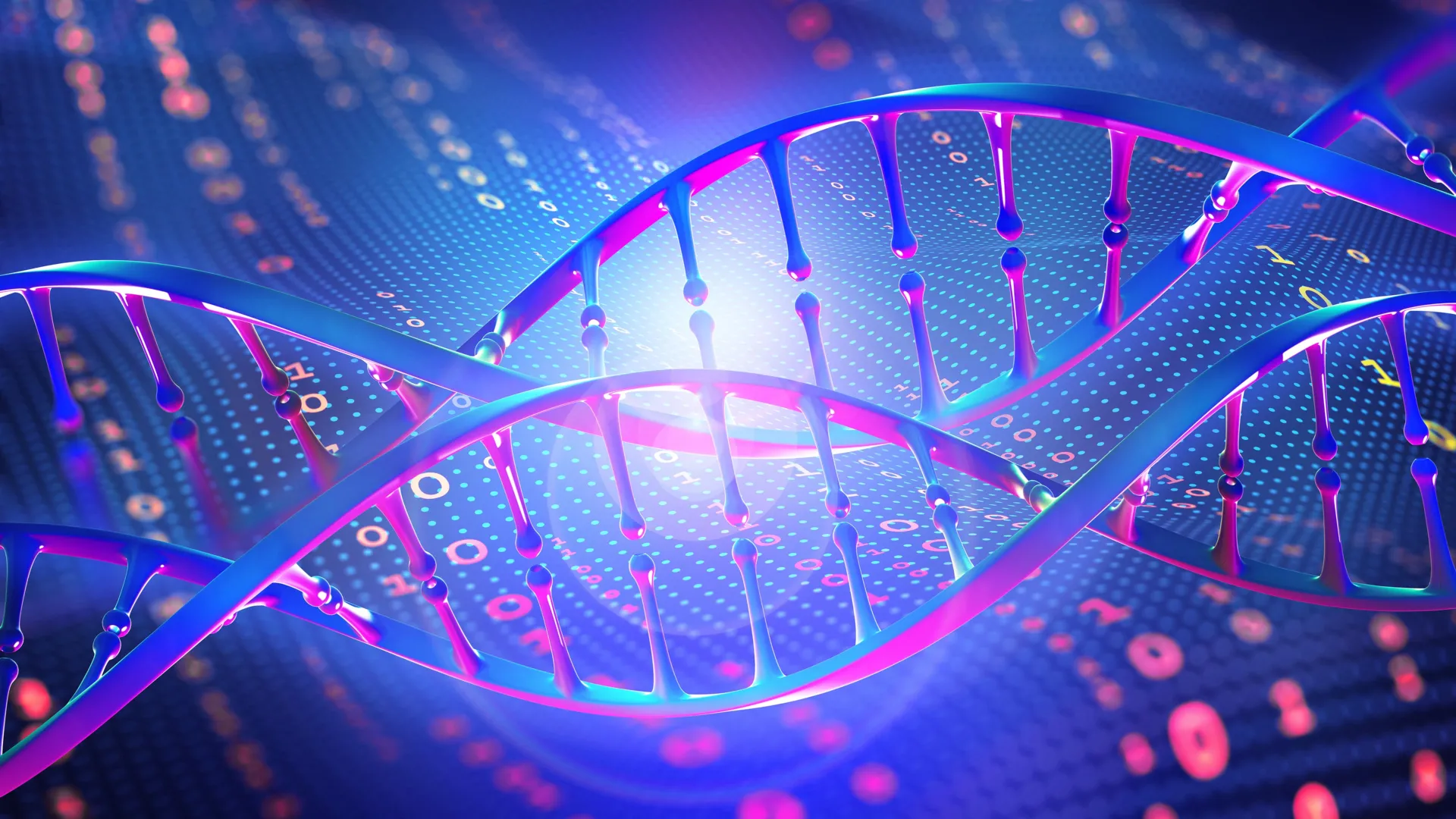
Researchers at Penn State built a memristor from silver-doped synthetic DNA layered onto crystalline perovskite thin films, creating a bio-hybrid device that stores and processes information in the same place, the way neurons do. It switches reliably at under 0.1 volt, stays stable at temperatures approaching 250F, and kept working at room temperature for more than six weeks, well beyond existing perovskite memory. The team reports it does the same job as comparable technology on a fraction of the power, with DNA supplying storage density that silicon cannot match. If neuromorphic computing is where AI hardware is heading, this is a serious swing at the energy wall.
AI Is Now a Bigger US Campaign Topic Than Israel, Racism or Crypto
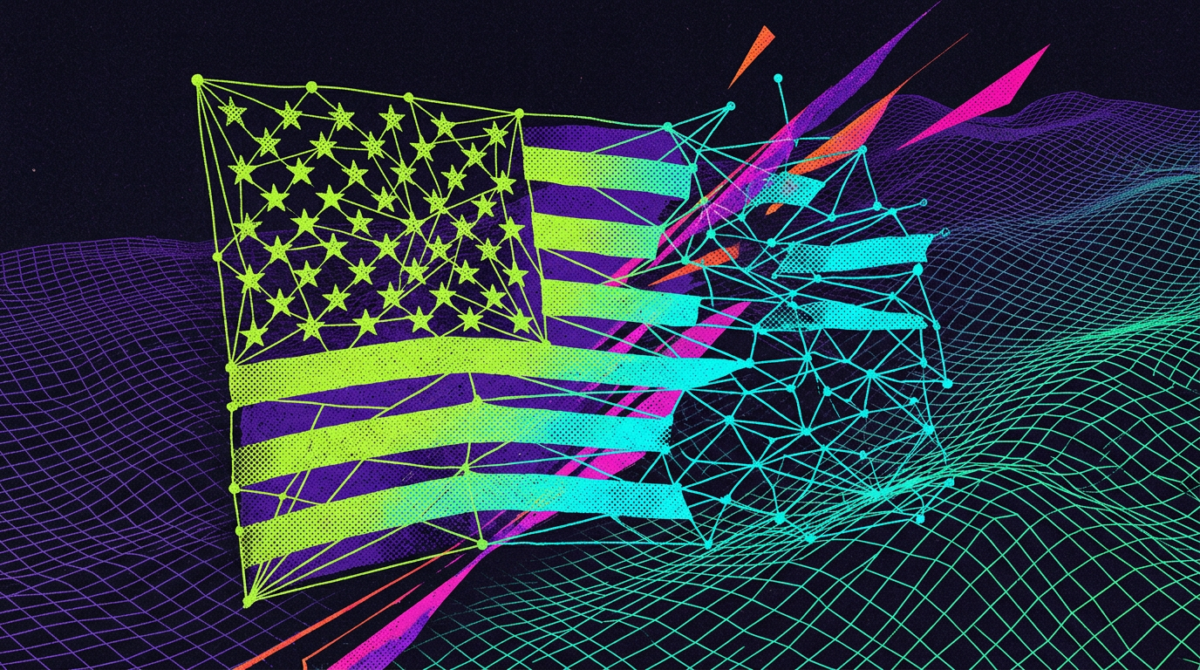
A Washington Post analysis of more than 1,200 candidate websites found AI comes up in nearly 40 percent of all House, Senate and governor races, ranking above long-established issues like Israel, manufacturing and racism. The driver is not chatbots, it is data centers, specifically what they do to local electricity bills, water and land. Democrats mention AI roughly twice as often as Republicans, focusing on risk, regulation and child safety, while Republicans frame it around national security and competition with China. AI has crossed from tech-policy niche into kitchen-table politics, which is usually when regulation stops being theoretical.