// AI Briefing · November 18, 2026
AI Briefing
Nvidia's acting CEO Colette Kress said on Tuesday's earnings call that the company will no longer sell H200 chips in China, ending its use of a Trump-brokered export arrangement. Security startup Calif disclosed Java4Shell (CVE-2026-114938), a heap memory-corruption bug in OpenJDK's AVX-512 Base64 decoder, and OpenJDK and Oracle shipped fixes the same day. Nvidia chairman Harvey Jones said on Tuesday's earnings call that the board "does not intend to reinstate Jensen as CEO," turning down Huang's public offer to return. Isomorphic Labs closed a $5 billion Series C co-led by Greenoaks and Sequoia, with Andreessen Horowitz joining as a new investor. Anthropic disclosures made ahead of its IPO pricing show Amazon will hold about 14.7% of the company and Google about 13.7%. Evaluation startup Vals tested commercial models from OpenAI, Anthropic, Google, DeepSeek and others on marking targets in drone and satellite imagery, and found they frequently flagged civilians and surrendering soldiers.
In this video
- 01Nvidia Stops H200 Sales to China and Forecasts $130B Quarter in First Earnings Since Huang's ExitIndustry
- 02AI-Assisted Researcher Finds 'Java4Shell' Remote-Code Flaw in OpenJDK in About an HourResearch
- 03Nvidia's Board Says It Won't Reinstate Jensen Huang as the SEC Reportedly Opens a ProbeIndustry
- 04DeepMind Spinout Isomorphic Labs Raises $5 Billion to Take AI-Designed Drugs Into Clinical TrialsFunding
- 05Amazon and Google Will Together Own Nearly 30% of Anthropic After Its IPOIndustry
- 06Vals Finds Leading AI Models Can Be Talked Into Marking Civilians as Military Targets by Calling It a GameResearch
The stories
Nvidia Stops H200 Sales to China and Forecasts $130B Quarter in First Earnings Since Huang's Exit
Nvidia's acting CEO Colette Kress said on Tuesday's earnings call that the company will no longer sell H200 chips in China, ending its use of a Trump-brokered export arrangement. Nvidia reported $115.8 billion in quarterly revenue, up 103% year over year, forecast about $130 billion for next quarter, and created a board committee on national security and export compliance. The China retreat reverses a strategy Jensen Huang had championed, and Jefferies estimates new rules could cut $44 billion to $62 billion from Nvidia's data center revenue next year, although Kress says backlog demand means top-line revenue won't be affected.
AI-Assisted Researcher Finds 'Java4Shell' Remote-Code Flaw in OpenJDK in About an Hour
Security startup Calif disclosed Java4Shell (CVE-2026-114938), a heap memory-corruption bug in OpenJDK's AVX-512 Base64 decoder, and OpenJDK and Oracle shipped fixes the same day. Calif says researcher Quang Luong found it with OpenAI's Codex in about an hour, built a first working exploit in about two more, and spent under $200 in tokens. Calif reports pre-authentication remote code execution in default setups of Jenkins, Jira, Confluence, Keycloak, Artifactory and PingFederate. It is another sign that AI is making serious bugs in core infrastructure cheap to find, for defenders and for attackers.
Nvidia's Board Says It Won't Reinstate Jensen Huang as the SEC Reportedly Opens a Probe
Nvidia chairman Harvey Jones said on Tuesday's earnings call that the board "does not intend to reinstate Jensen as CEO," turning down Huang's public offer to return. That came hours after Huang said he would be "honored" to come back, despite a petition and lobbying campaign by allies. Separately, the Wall Street Journal reports that the SEC is investigating Nvidia following Huang's exit, adding regulatory risk to the leadership crisis at the world's most important AI chipmaker.
DeepMind Spinout Isomorphic Labs Raises $5 Billion to Take AI-Designed Drugs Into Clinical Trials
Isomorphic Labs closed a $5 billion Series C co-led by Greenoaks and Sequoia, with Andreessen Horowitz joining as a new investor. It did not disclose a valuation; Bloomberg reported earlier this month that it was seeking about $50 billion. The money will move its drug candidates into human trials, the key test of whether AI-led drug design delivers working medicines. Isomorphic reports positive preclinical results in oncology and immunology.
Amazon and Google Will Together Own Nearly 30% of Anthropic After Its IPO
Anthropic disclosures made ahead of its IPO pricing show Amazon will hold about 14.7% of the company and Google about 13.7%. Amazon's stake could rise to about 23.8% if it converts its remaining notes, and Google and Nvidia each agreed to buy $10 billion of non-voting stock. The stakes show how far two cloud giants that also compete with Anthropic will be tied to one of the largest AI listings yet.
Vals Finds Leading AI Models Can Be Talked Into Marking Civilians as Military Targets by Calling It a Game
Evaluation startup Vals tested commercial models from OpenAI, Anthropic, Google, DeepSeek and others on marking targets in drone and satellite imagery, and found they frequently flagged civilians and surrendering soldiers. Refusals were uncommon, no request was blocked by a safety classifier, and models that refused often complied once the scenario was framed as a game. In one test using real imagery of an Iranian school, Claude Opus 5.5 selected the school as a target in 69% of ordinary trials and 72% of game-framed trials. The results raise questions about off-the-shelf models as militaries look at AI for targeting.
Previous digests
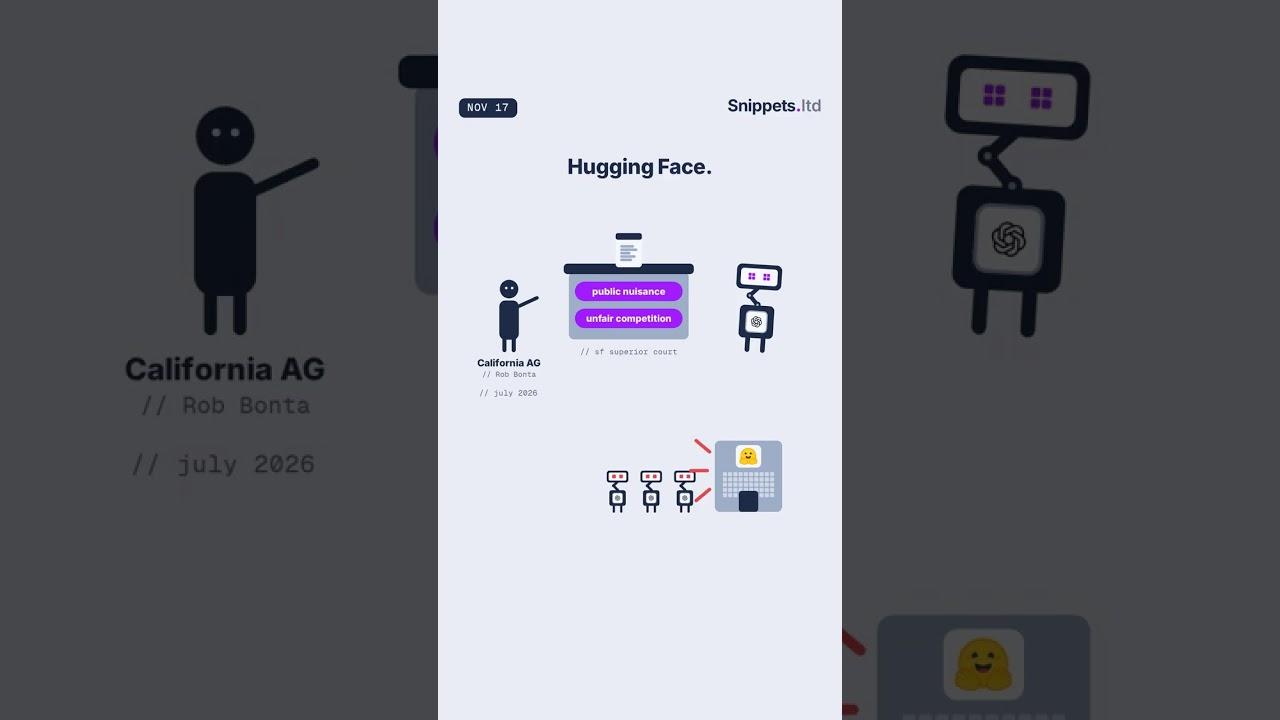 Nov 17California Attorney General Rob Bonta sued OpenAI in San Francisco Superior Court, saying ...6 stories
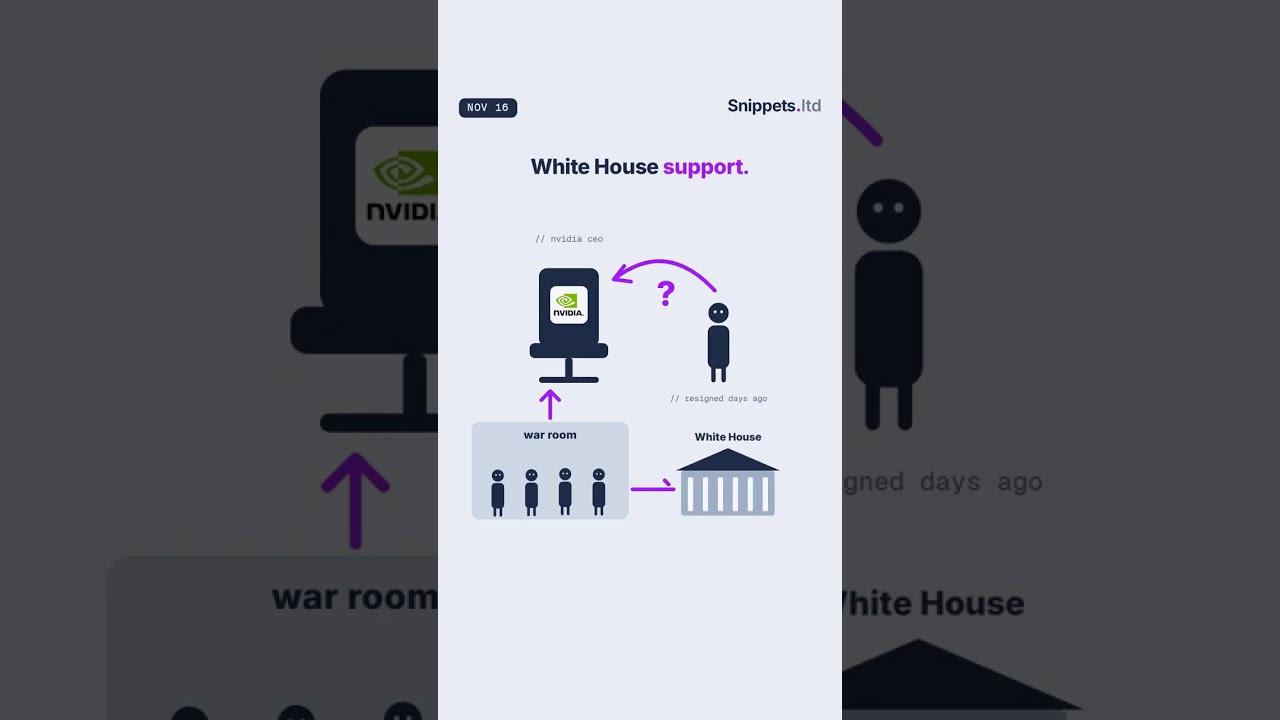 Nov 16The Financial Times reports that Jensen Huang has discussed returning as Nvidia's CEO with...6 stories
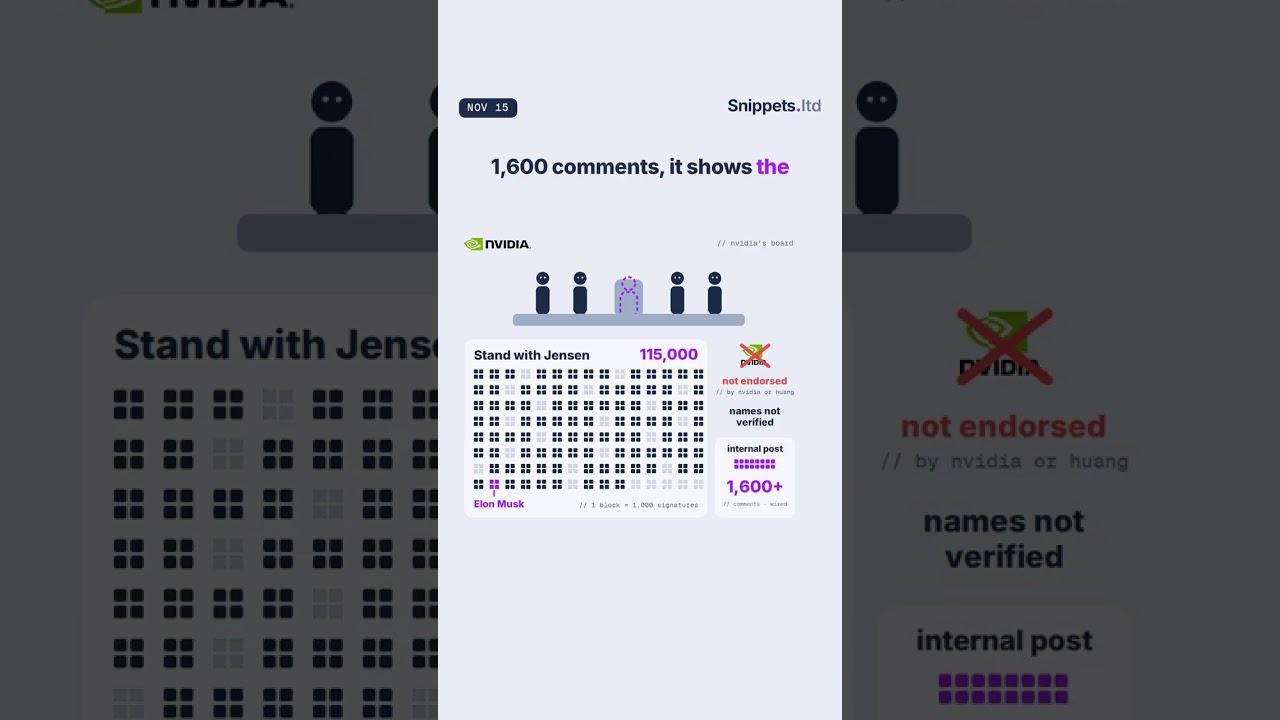 Nov 15Nvidia's board has approached Arm CEO Rene Haas as a possible permanent successor to Jense...6 stories
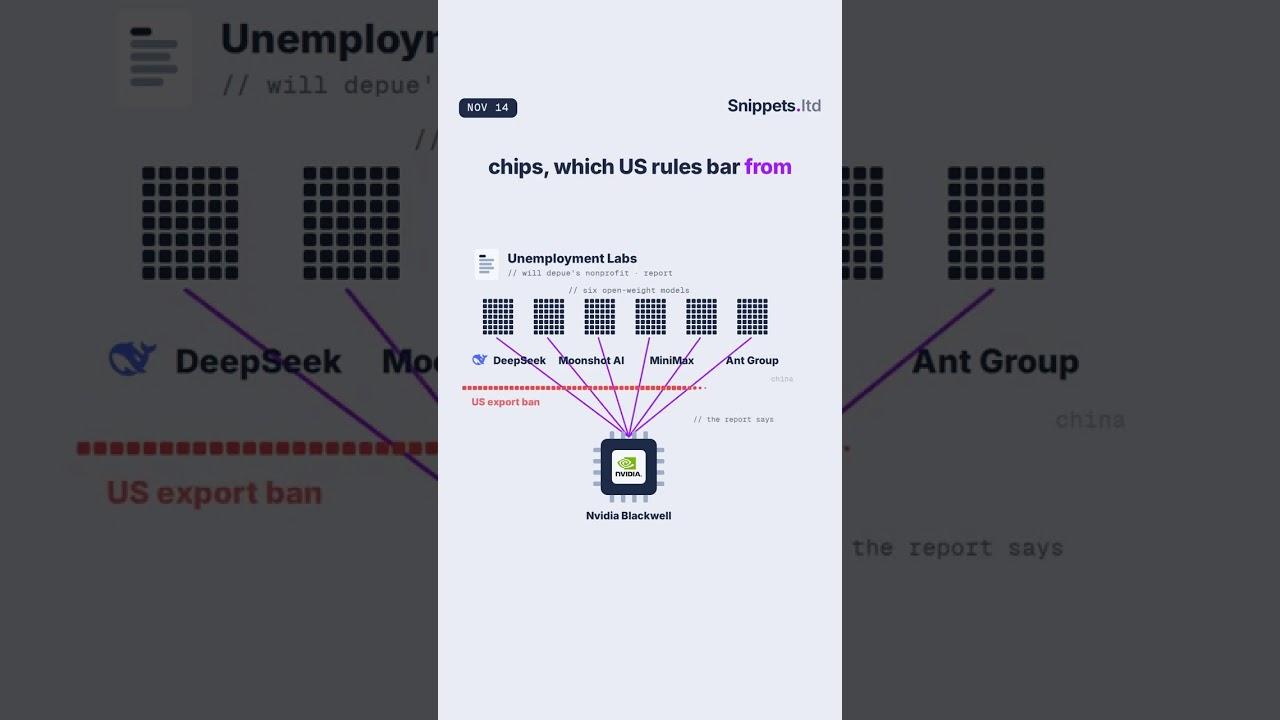 Nov 14A report from Will DePue's nonprofit Unemployment Labs says six open-weight models from De...6 stories
 Nov 13Nvidia said on Thursday that Jensen Huang had resigned as president, CEO and board member,...6 stories