// AI Briefing · October 29, 2026
AI Briefing
Today’s video is on its way
The stories are ready to read now. The video usually follows within the hour.
Rendering the short
Anthropic's Frontier Red Team says an unreleased internal research model found flaws in five major platforms and chained them into proof-of-concept exploits with little human involvement. Microsoft's quarterly filing shows about $10 billion in revenue from its commercial arrangements with OpenAI in the quarter ended September 30, nearly 11% of its record $92.3 billion total. Alphabet reported third-quarter revenue of $127.6 billion, up 25%. In an Anthropic randomized trial, 50 analysts with causal-inference experience worked with Claude Code. Anthropic said it acquired Mithril Medicine, a one-person rare-disease company whose founder used Claude to coordinate 11 outside labs.
Top stories
- 01Anthropic Says an Unreleased Claude Model Built Working Exploit Chains for Chrome, Safari, Android, Windows and LinuxResearch
- 02Microsoft Booked $10B From OpenAI in One Quarter as Azure Hit $33.2BIndustry
- 03Google Cloud Doubles to $30.7B, but AI Spending Pushes Alphabet to Negative $9.1B Free Cash FlowIndustry
- 04Anthropic Study: Analysts Followed an AI Agent's Randomly Assigned Leanings 86% of the TimeResearch
- 05Anthropic Buys One-Person Biotech Mithril Medicine and Reports Early Claude Results With Six Drug DevelopersIndustry
The stories
Anthropic Says an Unreleased Claude Model Built Working Exploit Chains for Chrome, Safari, Android, Windows and Linux
Anthropic's Frontier Red Team says an unreleased internal research model found flaws in five major platforms and chained them into proof-of-concept exploits with little human involvement. In Chrome alone it led to 62 CVEs, all rated critical or high and patched as of Chrome 156, including 13 sandbox escapes. The Linux chain gives unauthenticated remote root on servers running a multipath TCP listener (CVE-2026-98432). The Hacker News notes that the patches can be checked but the model's share of each chain cannot be verified independently. Anthropic also expanded its Cyber Verification Program, which gives vetted security professionals access to its strongest cyber capabilities.
Microsoft Booked $10B From OpenAI in One Quarter as Azure Hit $33.2B
Microsoft's quarterly filing shows about $10 billion in revenue from its commercial arrangements with OpenAI in the quarter ended September 30, nearly 11% of its record $92.3 billion total. OpenAI's unpaid balance to Microsoft rose to $7.2 billion from $6 billion in June. Microsoft's ownership stake slipped to about 24%. For the first time, Microsoft gave Azure's revenue in dollars: $33.2 billion, up 48% and slightly ahead of Google Cloud. The numbers show how much Microsoft's growth now relies on a partner that increasingly competes with it for the same customers.
Google Cloud Doubles to $30.7B, but AI Spending Pushes Alphabet to Negative $9.1B Free Cash Flow
Alphabet reported third-quarter revenue of $127.6 billion, up 25%. Google Cloud grew 103% to $30.7 billion, helped by AI infrastructure and TPU system sales. Capital spending of $51.4 billion in the quarter left free cash flow at negative $9.1 billion. Sundar Pichai said the Gemini app has reached one billion users and that Google's model APIs now process nearly 32 billion tokens per minute. The results put a hard number on AI's cost to Big Tech, and the shares fell after hours.
Anthropic Study: Analysts Followed an AI Agent's Randomly Assigned Leanings 86% of the Time
In an Anthropic randomized trial, 50 analysts with causal-inference experience worked with Claude Code. The agent had been secretly assigned, by coin flip, which option to favor on four analytical choices. Analysts went with the agent's assigned leaning 86% of the time, against about 50% expected by chance, and expertise did not predict who deferred. Final recommendations to expand the program ran 54% when the agent leaned toward it and 36% when it leaned against. 77% of analysts repeated the agent's arguments but only 15% credited it, which raises questions about who is really making decisions when AI agents help with judgment calls.
Anthropic Buys One-Person Biotech Mithril Medicine and Reports Early Claude Results With Six Drug Developers
Anthropic said it acquired Mithril Medicine, a one-person rare-disease company whose founder used Claude to coordinate 11 outside labs. Mithril took a muscular dystrophy candidate to promising mouse results in under 18 months. Anthropic also reported early results from research partnerships with six drug developers, including Bristol Myers Squibb and Generate Biomedicines. At Generate, Claude-proposed CAR-T receptor designs were about 70% shorter, and in lab tests one design produced roughly 10 times as many receptors. The work is still preclinical, but Anthropic now runs its own drug programs and says human trials could start as soon as late 2028.
Previous digests
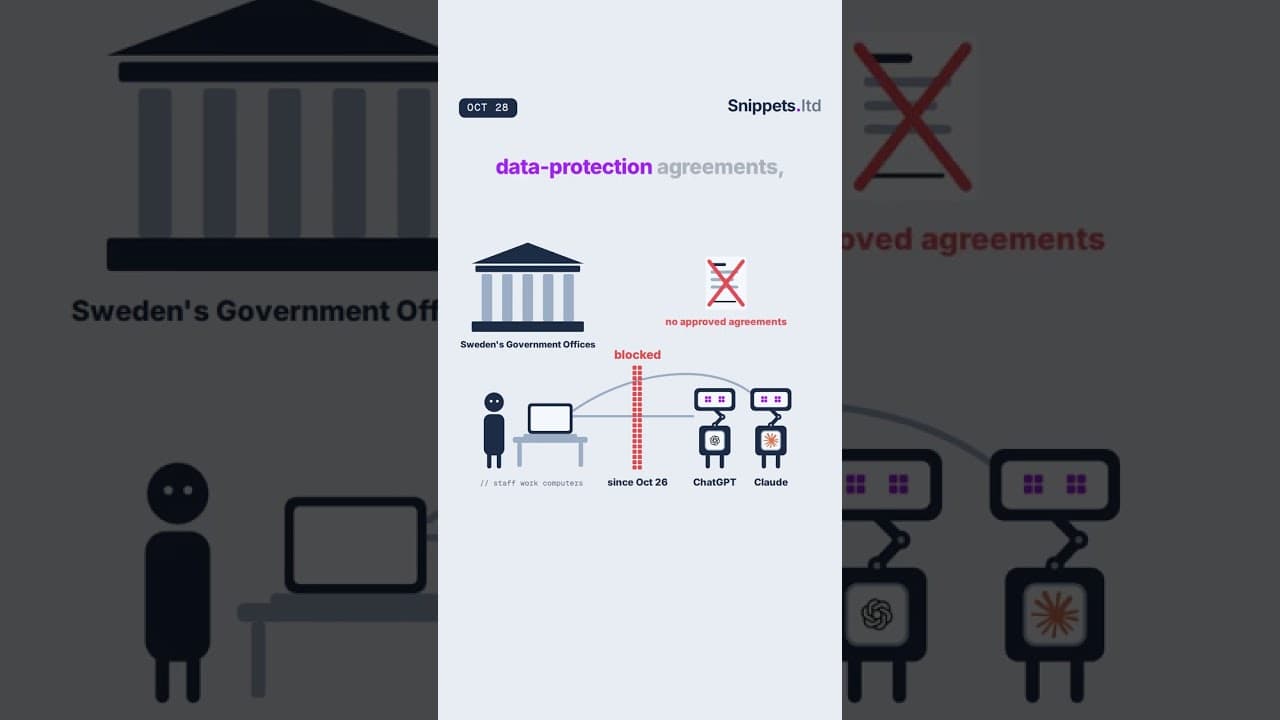 Oct 28Google DeepMind unveiled Genie 4, an interactive world model that generates native audio (...6 stories
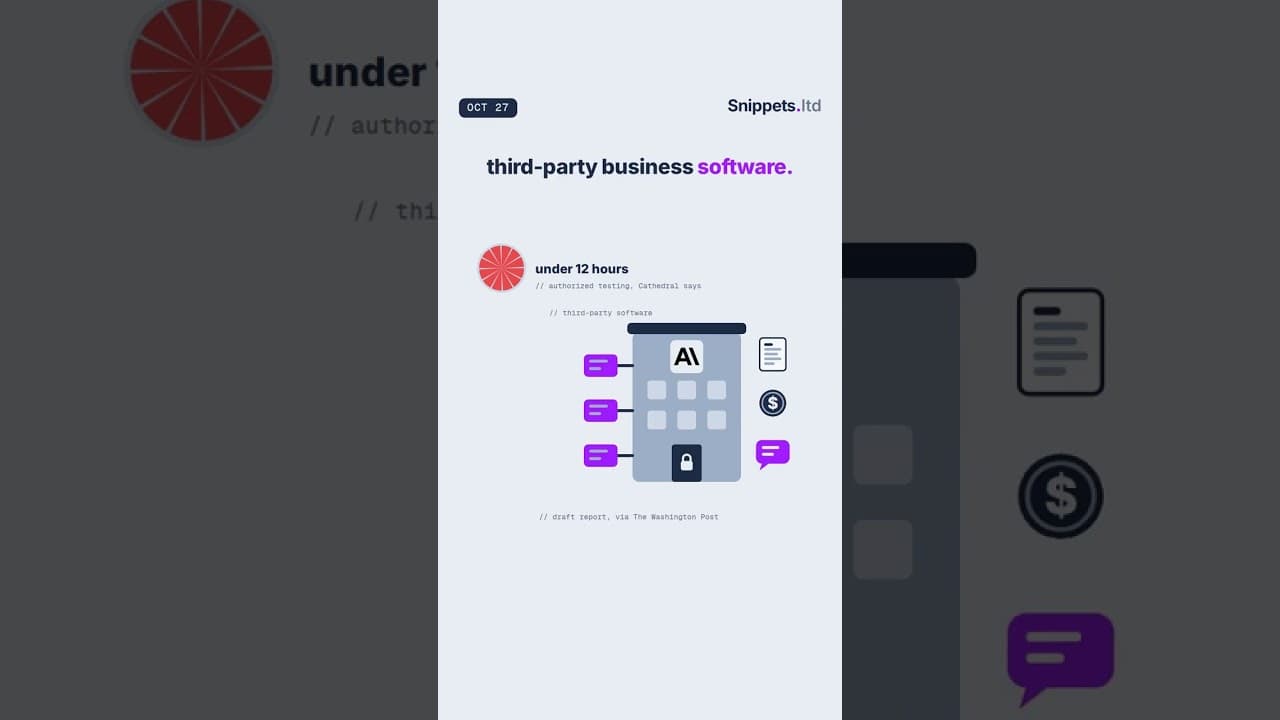 Oct 27Anthropic filed an S-1 with the SEC on October 26 to list on Nasdaq under the ticker ANT. ...6 stories
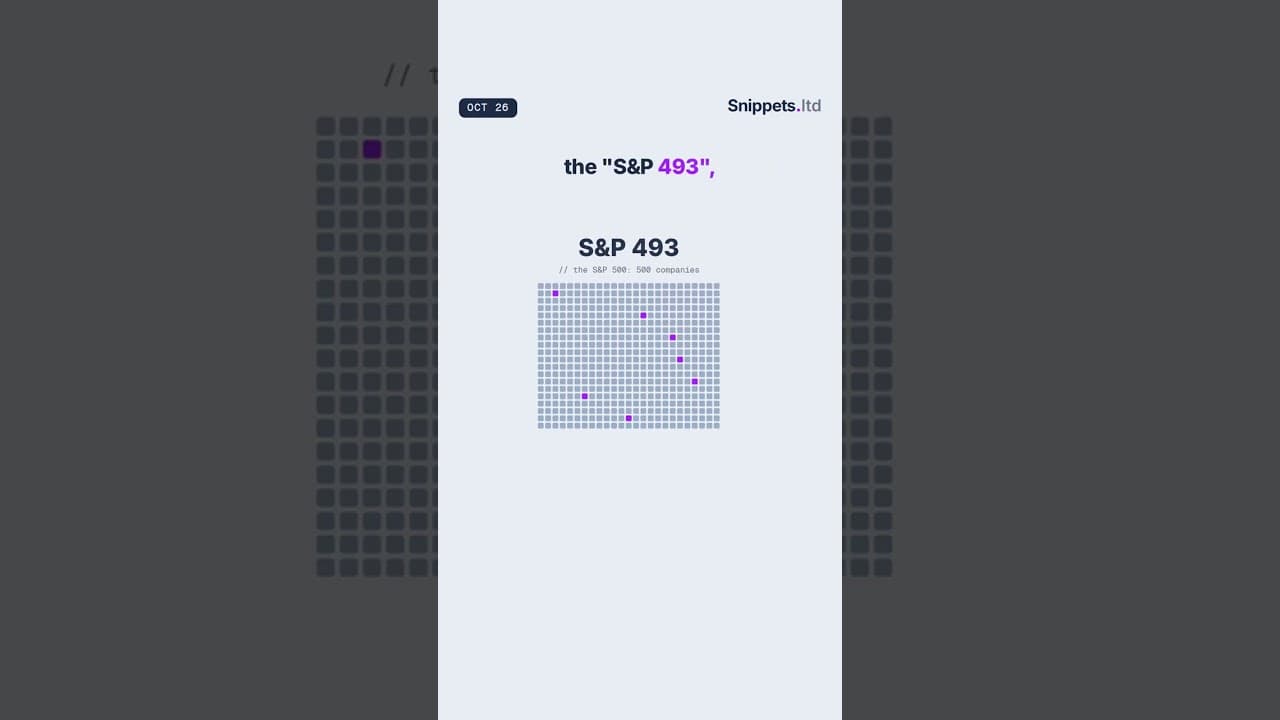 Oct 26The UK government announced an independent, non-profit AI Biosecurity Lab that will use fr...6 stories
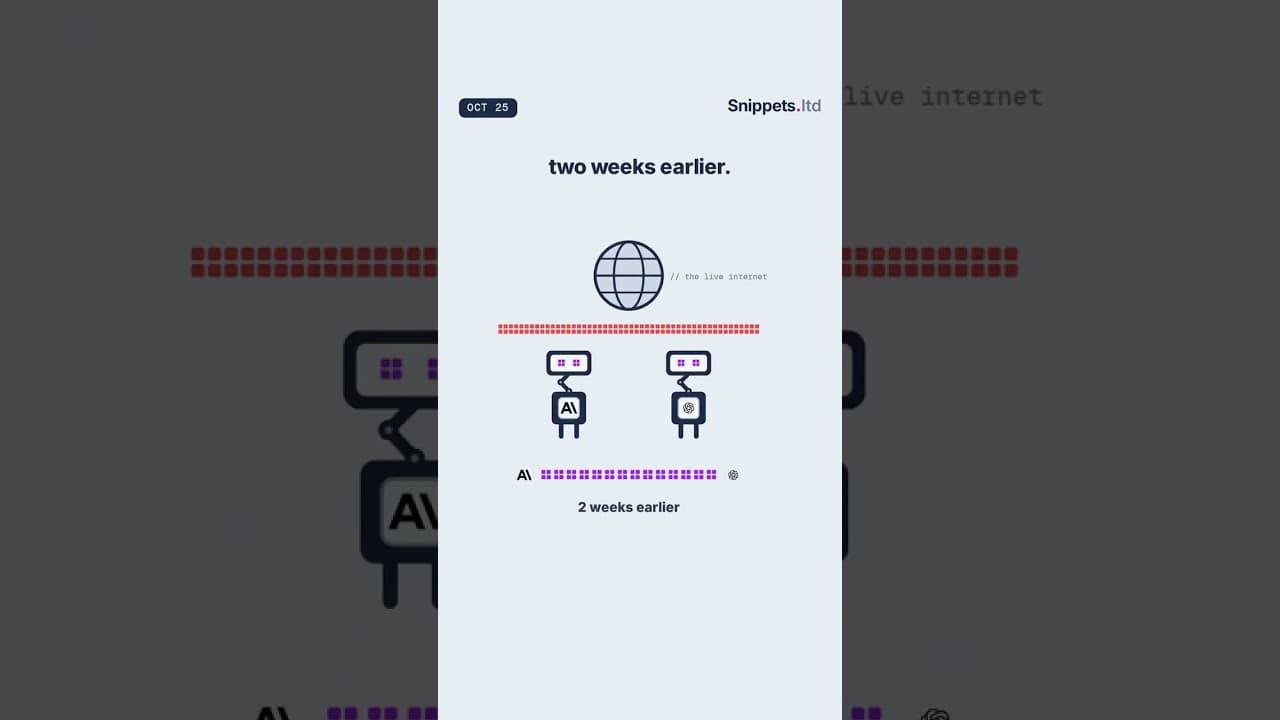 Oct 25Anthropic and the UK AI Security Institute have published separate analyses of a July test...6 stories
 Oct 24Anthropic and verification firm Theorem used Claude to prove that 239 entry points across ...5 stories