Today's theme is AI getting physical and getting expensive. Amazon is switching off the human-powered service that quietly trained a decade of models, a16z just raised $1.1B to bet that the next fortunes are in chips and cooling rather than apps, and Hugging Face is selling you a robot duck for $399. Meanwhile SoftBank is asking Japanese pensioners to fund OpenAI, and Washington is weighing tariffs that would tax the servers those models run on.
Amazon Is Shutting Down the Human Workforce Jeff Bezos Called 'Artificial Artificial Intelligence'
Amazon told users it will close Mechanical Turk on September 30, 2026, ending the 21-year-old marketplace where workers labeled data and transcribed audio for pennies per task. Bezos named it after an 18th-century chess automaton secretly operated by a human, and called the service 'artificial artificial intelligence.' The closure also takes down SageMaker Ground Truth. MTurk supplied the labeled data that trained a generation of machine learning models, so its retirement is a fairly literal marker of AI outgrowing the human scaffolding it was built on.
Hugging Face Will Sell You a $399 Open-Source Robot Duck That Learns to Roller-Skate
Hugging Face and Pollen Robotics opened preorders for Microduck, a 25cm bipedal robot with 15 motors, a camera, lidar, two inertial sensors and an articulated beak that lifts about 800 grams. It waddles, crouches, recovers from falls, follows a laser pointer and roller-skates, and every unit generates its own voice the first time it wakes. The SDK, simulator and reinforcement-learning stack are on GitHub, so behaviors trained in simulation deploy straight to the hardware. It is a distribution play as much as a gadget: the biggest model hub on the internet now has a sub-$400 physical target for the same open weights.
a16z Raised $1.1 Billion for Hardware, Which Is a Strange Thing for the 'Software Is Eating the World' Firm to Do
Andreessen Horowitz closed a $1.1 billion Machine Age fund dedicated to the physical layer of AI: processors, memory, networking, storage, cooling, electrical infrastructure, robotics and data centers. The firm says hardware has grown from a sliver of its deal flow to more than 20% over the past two years, and projects rack power will hit one megawatt within three years. For a firm built on the thesis that software scales without factories, this is a public admission that AI's binding constraints now sit below the application layer.
SoftBank Is Asking Japanese Households to Fund Its OpenAI Bet Because the Banks Wouldn't
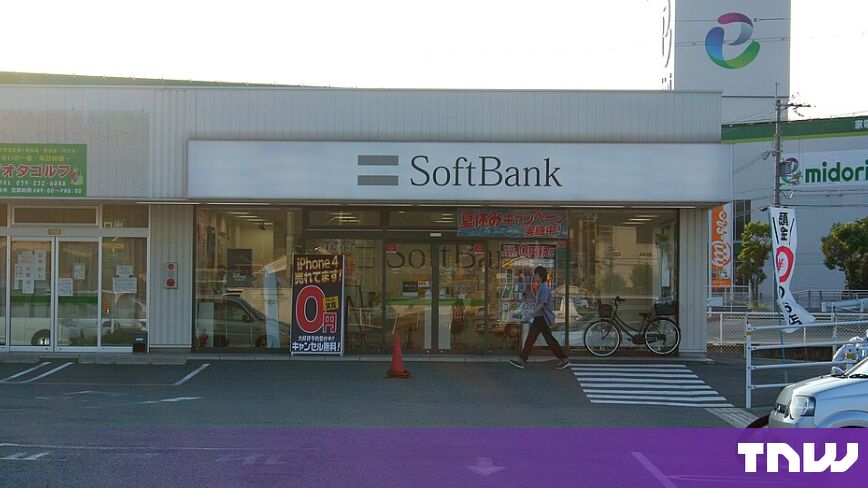
SoftBank plans a ¥1 trillion (about $6.3 billion) retail bond sale, the largest by any issuer in Japan, to fund its investment commitments to OpenAI. The seven-year bonds price around September 4 with an indicative coupon of 4.3% to 4.9%, and SoftBank expects an A rating domestically even though S&P has it at BB+, one notch below investment grade. Analysts say banks were reluctant to take the risk, which is what pushed the deal toward retail investors. Even after this, a shortfall above $20 billion remains against SoftBank's roughly $64.6 billion total OpenAI commitment.
The Next Chip Tariffs May Not Stop at Chips, and AI Servers Are on the List
The Trump administration is weighing a new round of semiconductor duties that would extend past discrete chips to finished products containing them, including data center servers, laptops and gaming consoles, according to Politico reporting confirmed by eight sources. Commerce Secretary Howard Lutnick favors tying duty-free import allowances to how much US fab capacity a company commits to building. Officials have signaled that January's 25% tariff exemptions covering data centers, R&D and startups may not carry over. Tech firms are lobbying hard, arguing the policy taxes the AI buildout Washington says it wants to win.
Cerebras Plans to Stack Memory on Top of a Whole Silicon Wafer
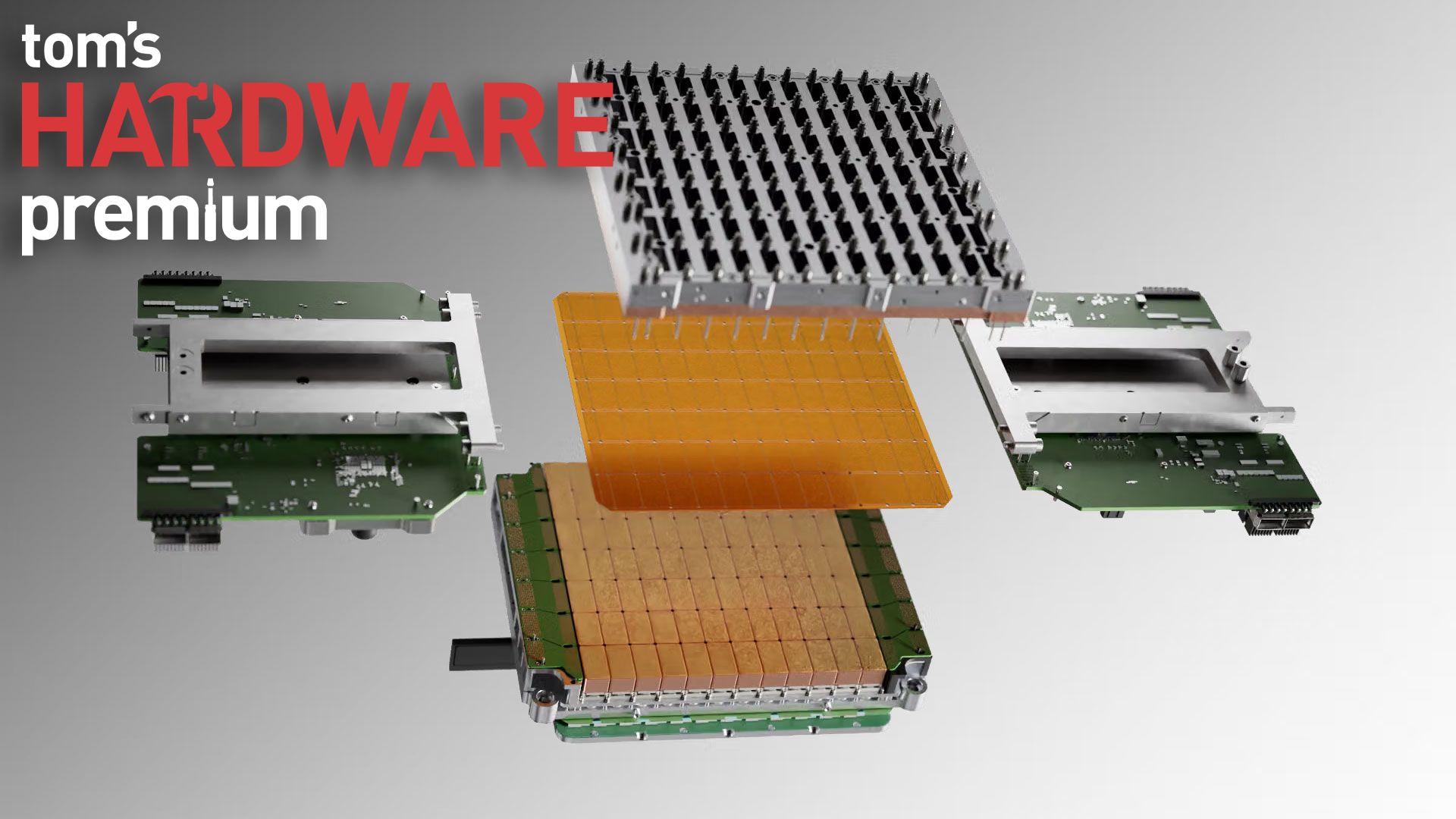
At Hot Chips 2026, Cerebras laid out two more generations of its wafer-scale roadmap, including a CS-6 that will 3D-stack DRAM directly above the wafer-scale processor. Its architecture puts an entire coherent processor across nearly a full wafer, which gives enormous internal bandwidth but limits memory capacity, and stacking is how it plans to add memory without giving up wafer surface. The company also detailed CS-4 and its Nexus rack design, which packages wafer-scale engines into modular units with networking, liquid cooling and power delivery, claiming roughly double the performance of the previous generation. The target is low-latency inference, which matters more as agents chain longer runs of work.