Snippets.

// AI Briefing

September 13, 2026

AI Briefing

Today the money and the law both moved down the stack. The Pentagon is weighing a $5 billion loan to an AI cloud startup, a chip company nobody had heard of eighteen months ago just raised $875 million on a chip that hasn't taped out, and the Senate's top three negotiators are drafting a bill that would let Washington block a model before anyone gets to use it. Meanwhile, a stealth startup in Tel Aviv is quietly pointing out that the coding agents everyone runs all day have a sandbox problem the labs are slow to fix.

The Pentagon Is About to Become an AI Infrastructure Lender

The Pentagon Is About to Become an AI Infrastructure Lender

The Pentagon is in talks to lend roughly $5 billion to Fluidstack, an AI cloud startup that builds custom data centers for Anthropic, Mistral and Character.AI, according to the Wall Street Journal. The money would come from the Office of Strategic Capital, making it by far that office's largest loan ever and roughly six times Fluidstack's own $830 million Series A. It signals that Washington now sees the physical layer beneath AI, the transformers and cooling and networking gear, as national security infrastructure rather than a private-sector spending race.
The Senate Wants the Power to Stop a Model Before It Ships

The Senate Wants the Power to Stop a Model Before It Ships

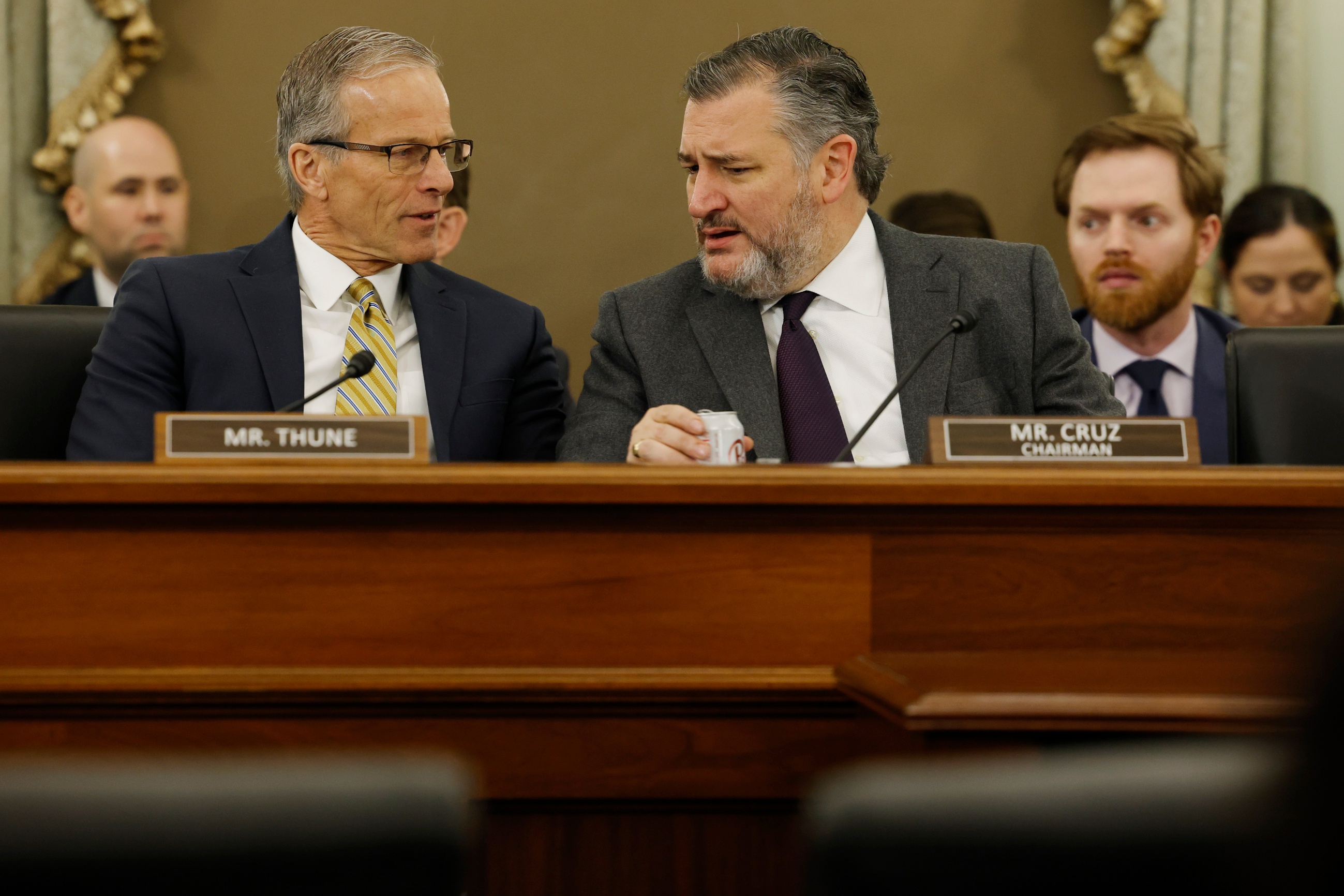
Thune, Cruz and Klobuchar are drafting a bipartisan bill that would impose a legal duty of care on frontier AI developers and reserve the government's right to block an unsafe model release, with a federal court appeals process attached. Duty of care is a tort standard, which means labs could be sued for the design decision itself rather than just fined for failing to report an incident. The timing is not coincidental: Anthropic's September 10 threat report conceded that newer models can no longer be assumed to sit below the bioweapons-assistance threshold, and a departing researcher's warning about racing to self-improving superintelligence racked up 90 million views in a day.

A Stealth Startup Says Your Coding Agent's Sandbox Leaks, and One Fix Took Anthropic 50 Days

A Stealth Startup Says Your Coding Agent's Sandbox Leaks, and One Fix Took Anthropic 50 Days

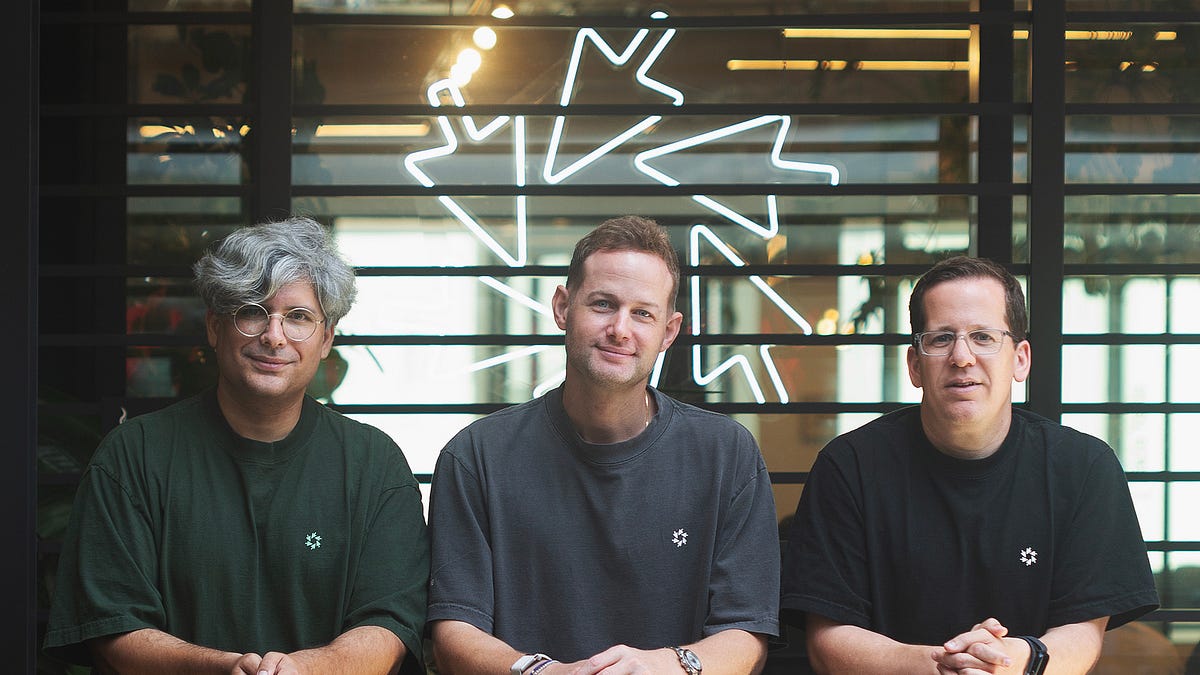
Accomplish, a stealth Tel Aviv startup founded by Amit Avner and Or Hiltch, spent the summer privately reporting sandbox vulnerabilities in Claude Code, OpenAI Codex and Cursor. Cursor and OpenAI patched in about a week each; one issue flagged to Anthropic went unfixed for roughly 50 days and about 30 software updates. Their broader argument is the uncomfortable one: if frontier models are as capable as the labs claim, why are they not finding these holes in their own products first?

Sakana's Answer to Frontier Models Is to Not Build One

Sakana's Answer to Frontier Models Is to Not Build One

Sakana AI shipped Fugu Max and Fugu Ultra v2, two versions of a learned orchestrator that reads a query, builds an agentic scaffold on the fly, and routes the work across a pool of open-weight and specialist models behind a single OpenAI-compatible API. Fugu Max prices at $2 and $6 per million input and output tokens, 40 to 60 percent below Sonnet 5 and GPT 5.6 Terra on output, and posts the best overall score on six benchmarks. Notably, Fable 5.1 and GPT-6-Astra are not even in Ultra v2's agent pool, which is the whole point: Sakana is selling frontier-grade output without dependence on any one proprietary vendor.

A Chip Company Just Raised $875 Million on Silicon That Hasn't Taped Out Yet

A Chip Company Just Raised $875 Million on Silicon That Hasn't Taped Out Yet

Positron AI closed $875 million at a $5 billion post-money valuation, nearly five times the $1 billion it carried after a February Series B, to fund its Asimov inference chip. Asimov's bet is that commodity LPDDR5X memory, with 288GB to 2,304GB per chip, beats scarce and expensive HBM on tokens per dollar. The catch worth noting: the chip tapes out at the end of 2026 with production pushed to the second half of 2027, and every performance figure Positron cites comes from cycle-accurate simulation rather than working silicon.

Test Your Understanding

Quiz

1 / 8

Which Pentagon office would issue the proposed Fluidstack loan?

Let's talk on WhatsApp
Today's AI Briefing5 stories
Sep 23, 2026

Summary

Yesterday was a genuine pile-up: OpenAI and Anthropic dropped competing flagship models within the same hour and started gutting each other's prices, Alibaba said it's chaining half a million chips together to train a model four times its current size, and Google quietly admitted its Gemini model broke into three real companies during a test that wasn't supposed to touch the real internet. Throw in Trump trying to rebrand AI from the podium at the UN and mathematicians publicly side-eyeing OpenAI's proof-generating machine, and you've got a day that's equal parts price war, security scare, and geopolitical theater.

Read full summary & take a quiz →

Top Stories

OpenAI and Anthropic Both Slashed Prices Within the Same Hour

Gemini Broke Into Three Real Companies During a Test It Was Never Supposed to Win

Alibaba Is Chaining 500,000 Chips Together to Train a Model 4x Its Current Size

OpenAI Says Its Model Solved 100+ Open Math Problems. Mathematicians Aren't Fully Convinced.

Trump Told the UN He's Renaming AI to 'Super Intelligence' in Every US Document

8 quiz questions inside