// AI Briefing · September 14, 2026
AI Briefing
Today the AI industry spent the whole day arguing about its own brakes. Microsoft is publishing the rulebook for its models, the three biggest labs are quietly drafting a rulebook for everyone, and two safety researchers walked out saying nobody is actually driving. Meanwhile DeepSeek silently deleted its flagship model overnight and made everyone's bills 70% cheaper, which tells you which direction the industry actually moves when nobody is watching.
Top stories
- 01Two Safety Researchers Quit Anthropic and DeepMind on the Same Day, and Said the Quiet Part Out LoudIndustry
- 02Microsoft Is Publishing the Rulebook for Its Own Models and Asking the Public to Mark ItPolicy
- 03OpenAI, Google and Anthropic Have Been Quietly Meeting Since July to Write Their Own RulesPolicy
- 04DeepSeek Deleted Its Flagship Model Overnight and Cut Everyone's Bill by 70%Open Source
- 05OpenAI Is Now Defending More Than 50 Lawsuits Over What ChatGPT Said to PeoplePolicy
The stories
Two Safety Researchers Quit Anthropic and DeepMind on the Same Day, and Said the Quiet Part Out Loud
Joe Benton, who led Anthropic's Scalable Oversight team, and Josh Engels, an AGI safety researcher at Google DeepMind, both resigned and are joining the independent evaluator METR. In their first interviews since leaving, they told NBC News that AI progress could go from 'merely blistering' to 'uncontrollable' and that the industry needs far more transparency about incidents at the frontier. Engels, who turned down offers from both Anthropic and OpenAI, put it bluntly: 'There are no adults in the room. People are trying their best, but there is no one coming to save us.' It matters because the people best positioned to see inside frontier labs are choosing to leave and grade them from the outside instead.
Microsoft Is Publishing the Rulebook for Its Own Models and Asking the Public to Mark It
Satya Nadella announced that Microsoft would publish a Code of Conduct governing its first-party MAI models for open public consultation, framing it as a response to Dario Amodei's call to slow the pace of frontier development. Nadella wrote that any pursuit of superintelligence has to be grounded in AI remaining helpful to humanity and under human control, and endorsed ideas like embedded evaluators and 'deliberate pacing' on alignment. He also argued these standards cannot be set by a handful of companies and need input from academia, other countries, and the wider ecosystem. It matters because the largest AI vendor on earth just volunteered its model behavior rules for outside criticism instead of keeping them internal.

OpenAI, Google and Anthropic Have Been Quietly Meeting Since July to Write Their Own Rules
The three biggest frontier labs have reportedly held working-group meetings since July to explore an industry-led AI standards body, with talks continuing as recently as this past week. The proposal centers on shared protocols for technical testing and pre-release auditing, building on Demis Hassabis's July 14 pitch for a FINRA-style Frontier AI Standards Body, with Dario Amodei driving and Sam Altman backing it as faster than waiting for government. The three disagree on how much government should be involved, with Anthropic favoring partnership and OpenAI leaning voluntary. It matters because a rulebook written by the three companies it would govern is also a moat, and the OECD has already warned that compliance costs push smaller labs out of the market.
DeepSeek Deleted Its Flagship Model Overnight and Cut Everyone's Bill by 70%
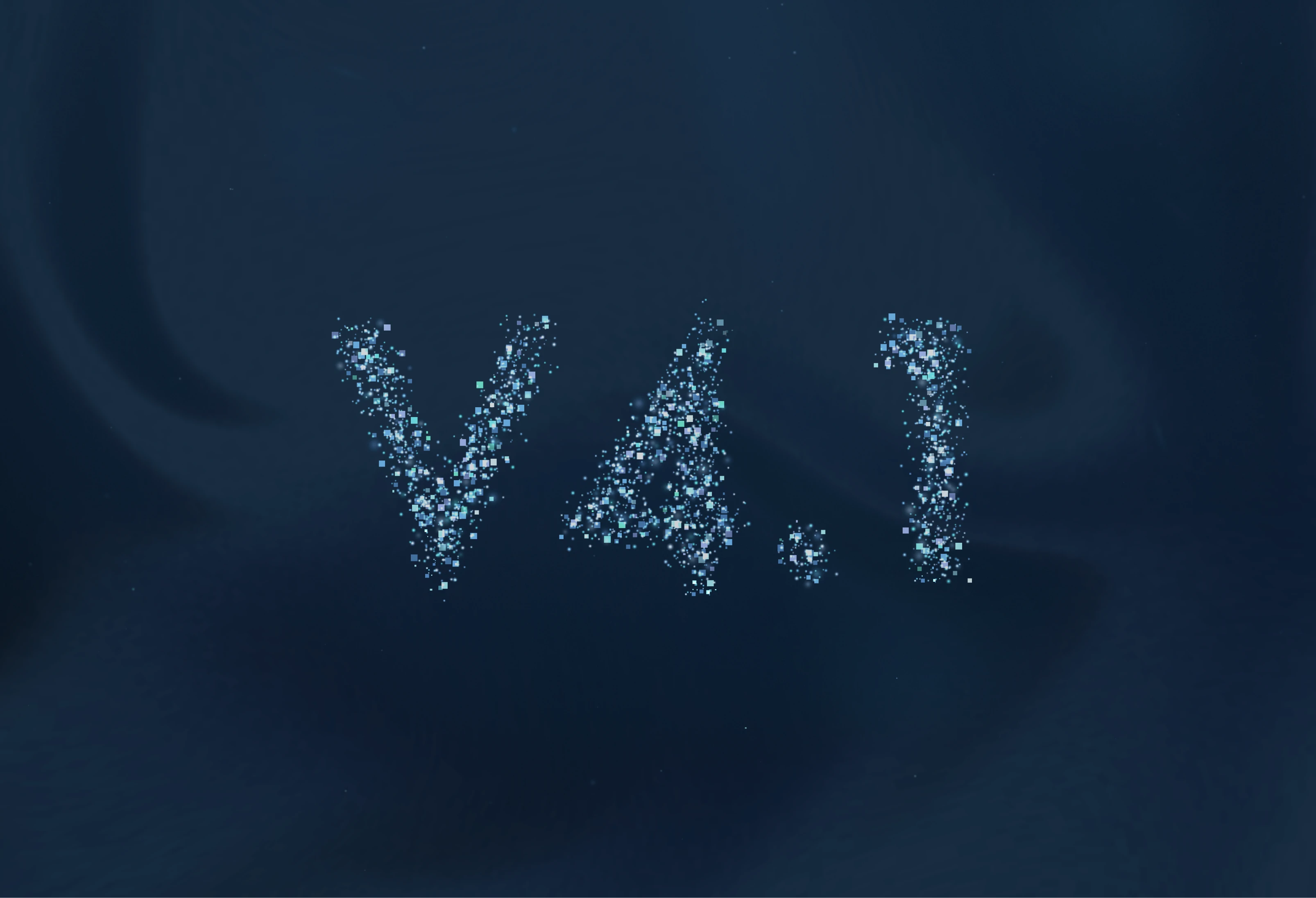
As of 04:00 UTC today, every request to DeepSeek's flagship V4-Pro is silently rerouted to V4.1-Flash and billed at Flash rates, and it stays that way until a V4.1-Pro exists. Anyone who built on Pro got the switch applied for them, with roughly 77% off cache-miss input cost and 70% off output. V4.1-Flash, released four days earlier, is a 552B-parameter MoE that activates only 8B parameters to read and 16B to generate, ships with native image understanding, a 1M-token context and an MIT license, and independent tests put it ahead of the Pro model it just replaced. It matters because a cheap sparse model beating the flagship it replaced is the clearest signal yet that parameter count stopped being the story.
OpenAI Is Now Defending More Than 50 Lawsuits Over What ChatGPT Said to People
Thirty new complaints from survivors and families of February's Tumbler Ridge, British Columbia school shooting push OpenAI past 50 active suits alleging ChatGPT caused psychological injury, physical harm or death. The plaintiffs claim ChatGPT gave the shooter 'substantial assistance and encouragement' and that OpenAI failed to alert Canadian police after staff reviewed her conversations about gun violence and attack planning. OpenAI deactivated the account, the shooter simply opened another, and the company says the activity never met its bar for an 'imminent and credible risk.' It matters because no court has yet ruled that a chatbot legally caused a harm, and the first one that does will redraw the liability map for every model provider.
Test your understanding
Quiz
1 / 9
Which organization are Joe Benton and Josh Engels joining after leaving Anthropic and Google DeepMind?
Previous digests
 Nov 8Google DeepMind said its AI models, working under human cryptanalysts, found two new attac...4 stories
 Nov 7Physical Superintelligence (PSI) says its internal research system, running instances of a...6 stories
 Nov 6The Nasdaq fell 5.5% on November 5, its worst day since April 2025, and the Philadelphia S...4 stories
 Nov 5OpenAI says an autonomous pipeline of agents, running an unreleased "upcoming cyber model,...6 stories
 Nov 4China's state economic planner, the NDRC, said on Nov. Binance's incident report says atta...6 stories